Strategic Growth and Sustainability in Cypriot Agriculture
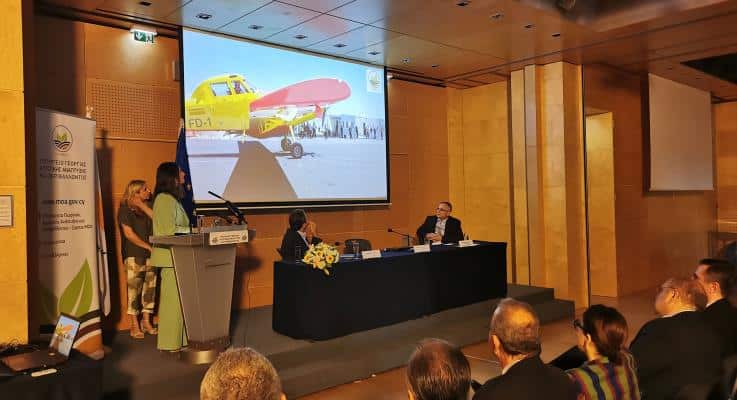
Agriculture Minister Maria Panayiotou has outlined an ambitious plan to enhance the agricultural sector’s contribution to Cyprus’ GDP, focusing on sustainability and expansion into new markets. Emphasizing a people-centered approach, Panayiotou aims to transition towards a green economy, revitalize rural areas, and implement comprehensive environmental protection strategies.
The minister has set a bold aspiration for the primary sector to achieve a zero-carbon footprint. A study by the Department of Agriculture has identified challenges, prompting efforts to process data with input from agricultural organizations, academia, and technology experts. Initiatives are also in place to improve water management, a critical component of agriculture, with a national investment plan for water projects supporting infrastructure for sustainable water management.
Panayiotou is advocating for increased financial support for farmers and access to innovative technologies, including advanced irrigation systems. Collaborations with financial institutions are being pursued to provide farmers with the necessary financial tools for infrastructure development. The introduction of “e-kofini,” a digital platform, aims to provide transparency in agricultural markets by offering updated information on product prices.
Targeted actions to support the primary sector are being prioritized over ad-hoc solutions or subsidy policies. These include risk management improvements, investments in renewable energy, and genetic improvement programs for livestock. The CAP Strategic Plan 2023-2027 reflects this focus, aiming to enhance competitiveness, rural livelihoods, and environmental sustainability.
Supporting young farmers and rural development programs is another key area, with increased budget allocations addressing the high cost of production faced by Cypriot producers. The “AGRICYGEN” project and the Recovery Plan of Cyprus include a Grant Scheme for Genetic Improvement of Sheep and Goats, with five million euros earmarked for this purpose.
The “CARBONICA” project, funded through the Horizon Europe Programme, involves establishing an excellence hub to enhance CO2 removal and storage. The “NENUPHAR” programme addresses nutrient pollution and fertilizer costs by recovering nutrients from waste streams.
Since the announcement of the Grant Scheme, 43 applications have been submitted by goat and sheep farmers, with 31 contracts signed and over one million euros disbursed for sponsorships and training. Additional CAP-funded actions aim to increase productivity, reduce costs, and improve soil quality across Cyprus’ main crops.
Panayiotou also highlighted measures supporting beekeeping and crop rotation, which help reduce production costs and resource usage. In the first year of governance, 7,000 advisory visits were made to agricultural holdings across Cyprus.
Finally, Panayiotou mentioned a significant innovation under the government of Nikos Christodoulides: the establishment of an Environmental Controls Sector approved in November 2023. This new sector will conduct controls and inspections in waste management units under the Department of Environment’s jurisdiction.