Market Response to Tesla’s Q1 Sales Miss
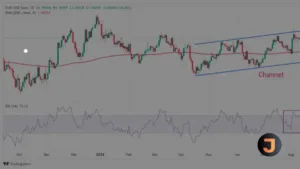
Tesla’s announcement of disappointing first-quarter delivery figures has sent its shares tumbling, with the electric car giant missing analysts’ expectations. The company reported sales of just under 387,000 vehicles, a significant drop from both the previous quarter and the same period last year. This marks Tesla’s first year-over-year sales decline since the pandemic began, causing its stock to fall to $165-166 on Nasdaq, down from $175 earlier in the week.
Nigel Green, CEO of deVere Group, an independent financial advisory and fintech firm, sees this downturn as a reflection of broader market conditions. He points out that consumer sentiment remains cautious due to inflation and other economic concerns, leading to volatility in the market. This trend is not unique to Tesla; other major companies reliant on discretionary spending, such as Apple and Nike, are also feeling the impact on their bottom lines.
Prudent Portfolio Management
Green emphasizes the importance of prudent portfolio management in these times. Investors are advised to conduct thorough due diligence and scrutinize the financial health and market positioning of companies before making investment decisions. Identifying potential winners and losers is key to navigating the current economic landscape.
Diversification is also highlighted as a crucial strategy for risk mitigation. By spreading investments across different sectors, regions, and asset classes, investors can protect themselves against sector-specific downturns and maintain a balanced portfolio capable of withstanding market shocks.
Opportunities Amidst Volatility
Despite the challenges indicated by Tesla’s performance, Green suggests that the situation presents buying opportunities for discerning investors. Market volatility often results in high-quality assets being available at lower prices, offering the potential for significant long-term gains. Investors should look for fundamentally strong companies whose stock prices have been affected by short-term factors.
Furthermore, companies that are embracing disruptive technologies and innovative business models may offer growth opportunities even in turbulent times. Advancements in areas like artificial intelligence could position certain firms to take advantage of evolving consumer preferences and new market trends.
In conclusion, while Tesla’s recent sales slump reflects wider issues affecting consumer-facing industries, Green believes that savvy investors will find value in the current market. With careful analysis and strategic investment choices, there are opportunities to be seized even as inflationary pressures persist.