Biden’s Balancing Act with Corporate America
In a move that underscores the complex relationship between the White House and the business sector, President Biden has been engaging with top executives from major corporations like General Motors and Cisco Systems. These discussions, aimed at gauging the pulse of the American economy, come amidst a backdrop of proposed tax reforms that have sent ripples of concern through the corporate world.
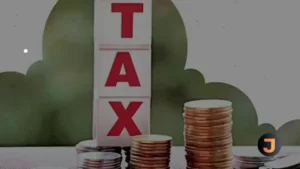
While President Biden has made it clear in his State of the Union address that his administration is intent on ensuring that “every big corporation finally begins to pay their fair share,” this stance has not been without contention. The president’s call to end tax breaks for industries such as pharmaceuticals, oil, and even private jets, has been met with a mix of frustration and resistance from those who stand to be affected by these changes.
Despite this, there exists a symbiotic relationship between the administration and corporate leaders, particularly evident in the economic agenda that Biden has been pushing forward. Notably, his industrial policy initiatives have been largely dependent on corporate tax incentives. These incentives have been showcased at various ribbon-cutting events across the nation, highlighting the administration’s support for corporations investing in strategic goods like semiconductors and solar panels.
However, these incentives have not been without their critics. Some Republicans have labeled them as “corporate welfare,” pointing to a perceived imbalance in the economic policies being promoted. This tension illustrates the delicate dance President Biden is performing as he courts corporate America while simultaneously pushing for tax reforms that challenge the status quo.
The president’s approach has led to a unique dynamic where corporate leaders enjoy both the benefits of record profits and an open dialogue with the administration, but also face uncertainty as they navigate the implications of the president’s tax plans and regulations. As the 2024 campaign for the White House looms, this relationship will undoubtedly continue to evolve, influencing federal policy and the broader national economy.