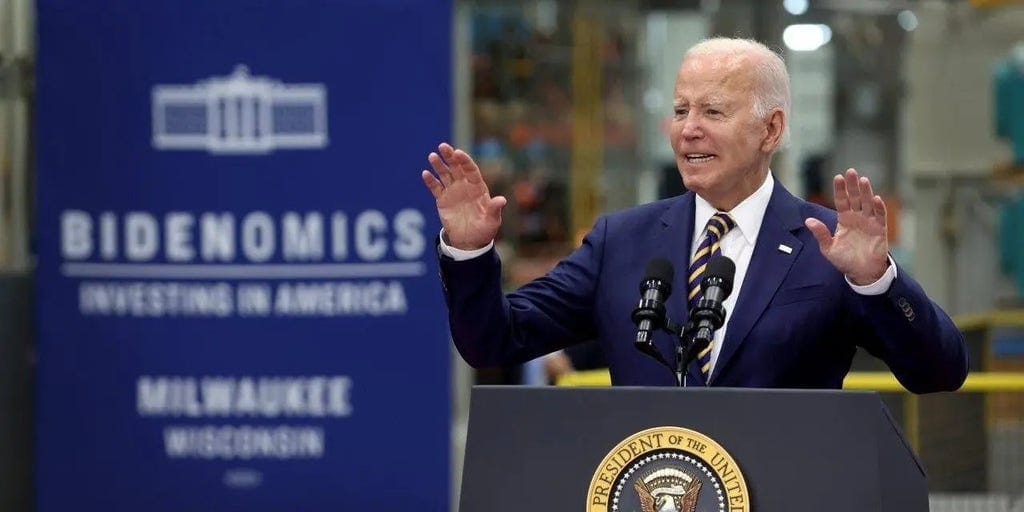
President Biden’s Tax Proposals Aim to Reduce Federal Deficit
In a recent State of the Union address, President Biden outlined a series of tax increases with the intention of reducing the federal deficit by an estimated $3 trillion. These tax hikes are not only aimed at decreasing the nation’s debt but also at funding new initiatives proposed by the administration.
One of the key elements of the plan is a monthly tax credit for homeowners to assist with mortgage payments. Additionally, the budget seeks to provide subsidies for child care and to make prescription drugs more affordable. However, it’s the proposed changes to the capital gains tax that have stirred significant debate.
The Tax Foundation has expressed concerns that taxing capital gains as ordinary income would elevate the top tax rate on these earnings to 49.9%, positioning the United States at the highest level among the 38-member Organization for Economic Co-operation and Development. This move would surpass international norms and could have far-reaching implications for wealthy Americans.
Moreover, the corporate income tax proposal has been identified as potentially detrimental to economic growth. The plan to increase the corporate tax rate from 21% to 28% would reverse a major component of former President Donald Trump’s 2017 tax law. The proposal also includes a hike in taxes on U.S. companies’ foreign earnings, nearly doubling the current rate.
An analysis by the Tax Foundation suggests that higher corporate taxes could reduce the nation’s GDP by 0.9%, lower wages by 0.8%, and result in a loss of approximately 192,000 full-time jobs. The report also notes that these estimates may be conservative, as they do not fully account for two significant tax increases on high earners and multinational corporations.
Despite the potential for deficit reduction and funding of new programs, these proposals face a challenging path forward in a deeply divided Congress. With Republicans holding control of the House, the likelihood of these tax changes being enacted appears slim.
Businesses and investors are closely monitoring these developments, understanding that any shifts in tax policy could have substantial effects on economic performance and personal finances.