Conflict of Interest Arises in Famagusta’s Ecclesiastical Committee
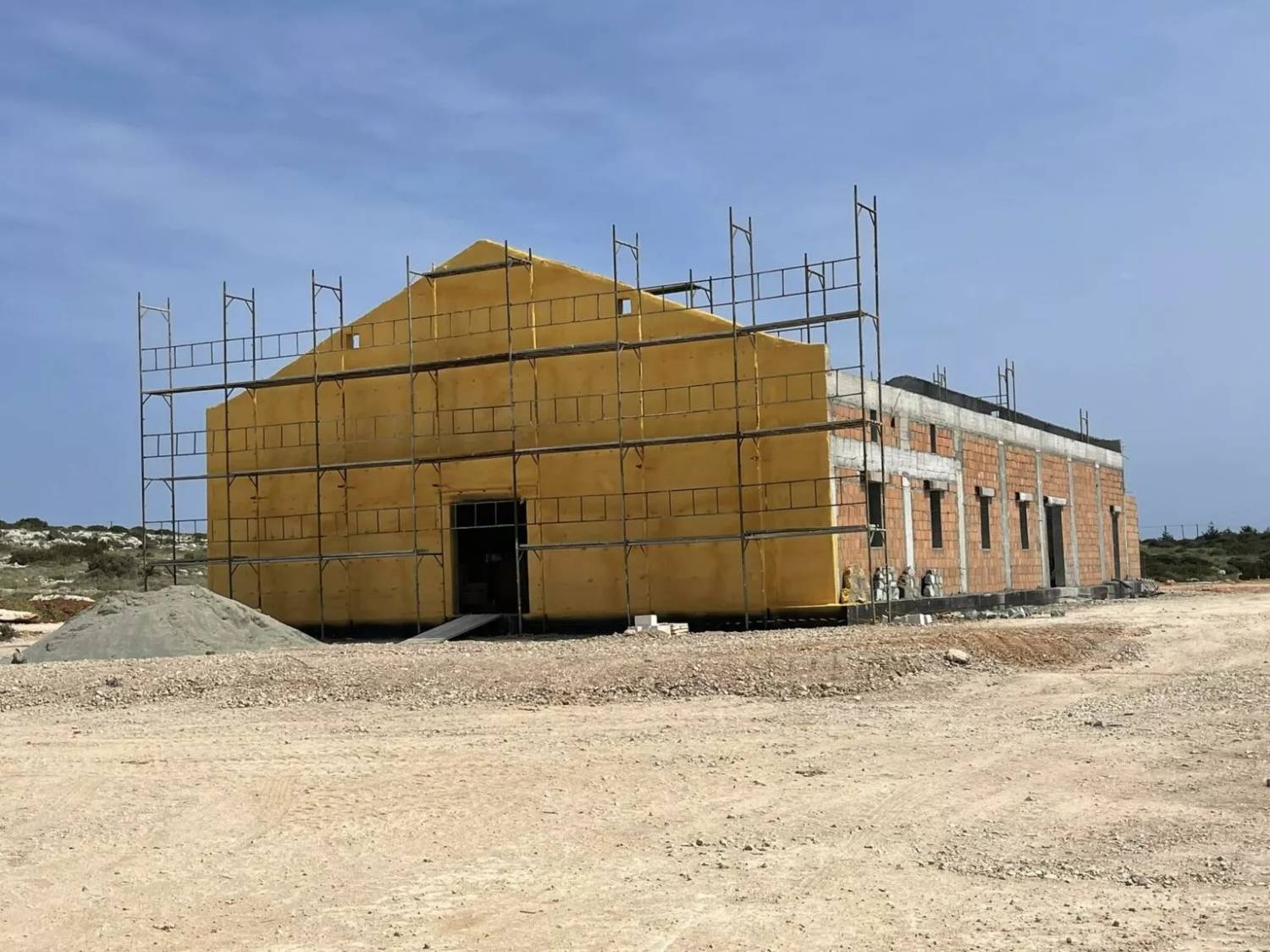
In the scenic region of Famagusta, a delicate situation has emerged involving the intersection of ecclesiastical authority and political influence. The Ecclesiastical Committee of the Bishopric of Constantia and Ammochostos, known for its advisory role to the local bishop, has become a focal point of controversy. This committee, comprised of prominent political figures, is currently under scrutiny due to a contentious issue surrounding the illegal construction of a monastery within the environmentally protected area of Cape Greco.
The crux of the matter lies with the local heads of authorities, who serve on the Ecclesiastical Committee and simultaneously act as building authorities under the road and building regulations law. This dual role has raised questions about a potential conflict of interest, particularly as these individuals are expected to enforce legislation against unauthorized constructions.
Attention has turned to the Mayor of Ayia Napa, who is facing criticism for his inaction in the face of this illegal development. Despite clear violations of environmental and urban planning laws, there has been a conspicuous absence of legal enforcement from his office. While other competent Authorities have taken swift action to halt construction and demand restoration plans, the silence from the local Authority, which bears ultimate responsibility under the law, is notable.
Journalists and media representatives have sought comments from the Mayor of Ayia Napa, but their inquiries have been met with refusal. This lack of transparency has only fueled the debate over the role that politics may play within the Ecclesiastical Committee.
The list of lay members serving on this influential committee, as published on the official website, includes Yiannis Karousos, Dr. Symos Ioannou, Theodoros Pyrillis, Yiorgos Takkas, Andros Karagiannis, Christos Zannettou, Zina Lysandrou Panayides, Theodoros Takkas, Michalis Tziortas, Dimitrios Skaros, Adamo Hatzichristodoulou, Georgios Karoullas, Vassilios Nicolaides, and Panagiotis Konstantinou. Each member’s involvement now falls under the microscope as the community demands accountability and adherence to both legal and ethical standards.
The unfolding situation in Famagusta serves as a reminder of the delicate balance between religious institutions and governmental oversight. As this story develops, all eyes will be on how these influential figures navigate their roles within both the ecclesiastical and political spheres.