Oil Prices Climb Amid Geopolitical Tensions and Supply Concerns
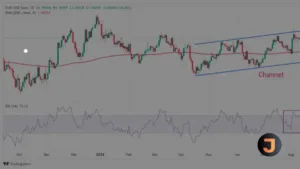
West Texas Intermediate (WTI) oil prices have continued their upward trend, with the benchmark trading around $86.20 a barrel during Asian trading on Friday. The surge is largely driven by the potential threat of supply disruptions, which have been exacerbated by recent geopolitical events.
Market analysts point to the attack on Iran’s embassy in Syria, which has been linked to Israel, as a key factor in the rising oil prices. Although Israel has not officially claimed responsibility, the incident has heightened tensions in the region. Compounding these concerns are reports of increased threats against Israeli embassies, including in the United States, with Iran vowing retaliation for the attack that claimed the lives of senior military officials.
In Europe, NATO officials have reported that Ukrainian drone strikes on Russian refineries could have impacted over 15% of Russia’s refining capacity. This adds another layer of complexity to the global oil supply chain, which has already been strained by international sanctions and conflicts.
The situation is further complicated by issues at a Lukoil refinery in Russia. The refinery’s gasoline unit repairs have hit a snag as Universal Oil Products (UOP), an American firm, has refused to provide assistance following its withdrawal from Russia in the wake of the Ukraine invasion.
Adding to the pressure on Iran, the U.S. Treasury Department announced new counterterrorism sanctions against Oceanlink Maritime DMCC, a UAE-based company, for its role in transporting commodities for the Iranian military. These sanctions are part of broader efforts to isolate Iran economically and prevent it from funding proxy groups and supporting Russia’s military actions in Ukraine.
Despite the tumultuous backdrop, OPEC+ has opted to maintain its current oil supply policy. The group’s decision to continue with the voluntary production cuts of 2.2 million barrels per day until at least the end of June aligns with their previous agreement to reduce output by 3.66 million bpd.
As geopolitical tensions show no signs of abating, the oil market remains sensitive to any news that could signal further disruptions. Investors and analysts alike are closely monitoring the situation for any developments that could impact global supply and demand dynamics.