Controversy Surrounding Asylum Policy Changes
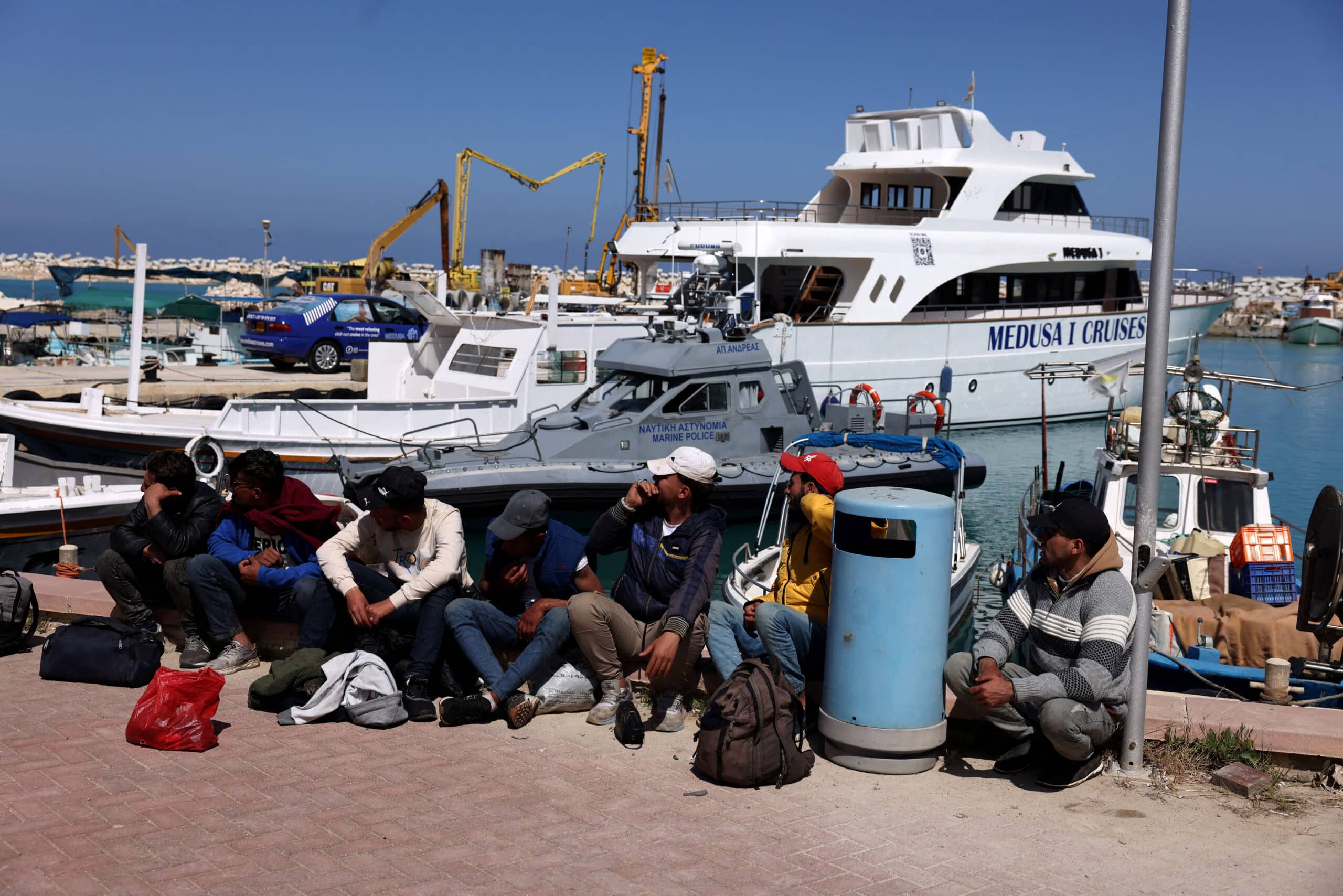
Recent policy shifts by the Cypriot government regarding the handling of Syrian asylum seekers have sparked a blend of criticism and support. The interior ministry is poised to rescind the protection status of approximately 30 Syrian nationals who have reportedly traveled back to Syria, with no option for appeal.
President Nikos Christodoulides’ announcement to halt asylum applications from Syrians due to “mass arrivals” aligns with proposals from the far-right party Elam, raising concerns among human rights advocates. Assistant Professor Nasia Hadjigeorgiou of UCLan highlighted the problematic nature of the president’s decisions mirroring far-right suggestions.
The ministry further clarified that the suspension would last no more than 21 months and that Syrians who visited their homeland in the past year would lose their protection status. The government insists on using its own intelligence sources to identify these individuals, citing national security.
Those affected face a stark choice: voluntary return or remain in Cyprus illegally, stripped of rights including access to healthcare and employment. The UNHCR’s Emilia Strovolidou argues that travel back to Syria should not automatically lead to the withdrawal of international protection status.
Legal experts question the decision’s legality, though the government maintains it is in line with EU law, backed by advice from the attorney-general’s office. Human rights lawyer Achilleas Demetriades and Hadjigeorgiou label the policy as discriminatory, stressing that nationality-based discrimination requires substantial justification.
The EU Commission has indicated that extensions in processing asylum applications are permissible, but there is debate over the duration. While Cyprus claims a 21-month period is viable, the UNHCR suggests that delays should not exceed 18 months and be applied on an individual basis.
As the Syrian crisis persists into its 14th year, the UNHCR acknowledges the strain on host countries but urges Cyprus to adhere to international obligations, offering support in managing these challenges.