Unlocking the Secrets of Arabica Coffee
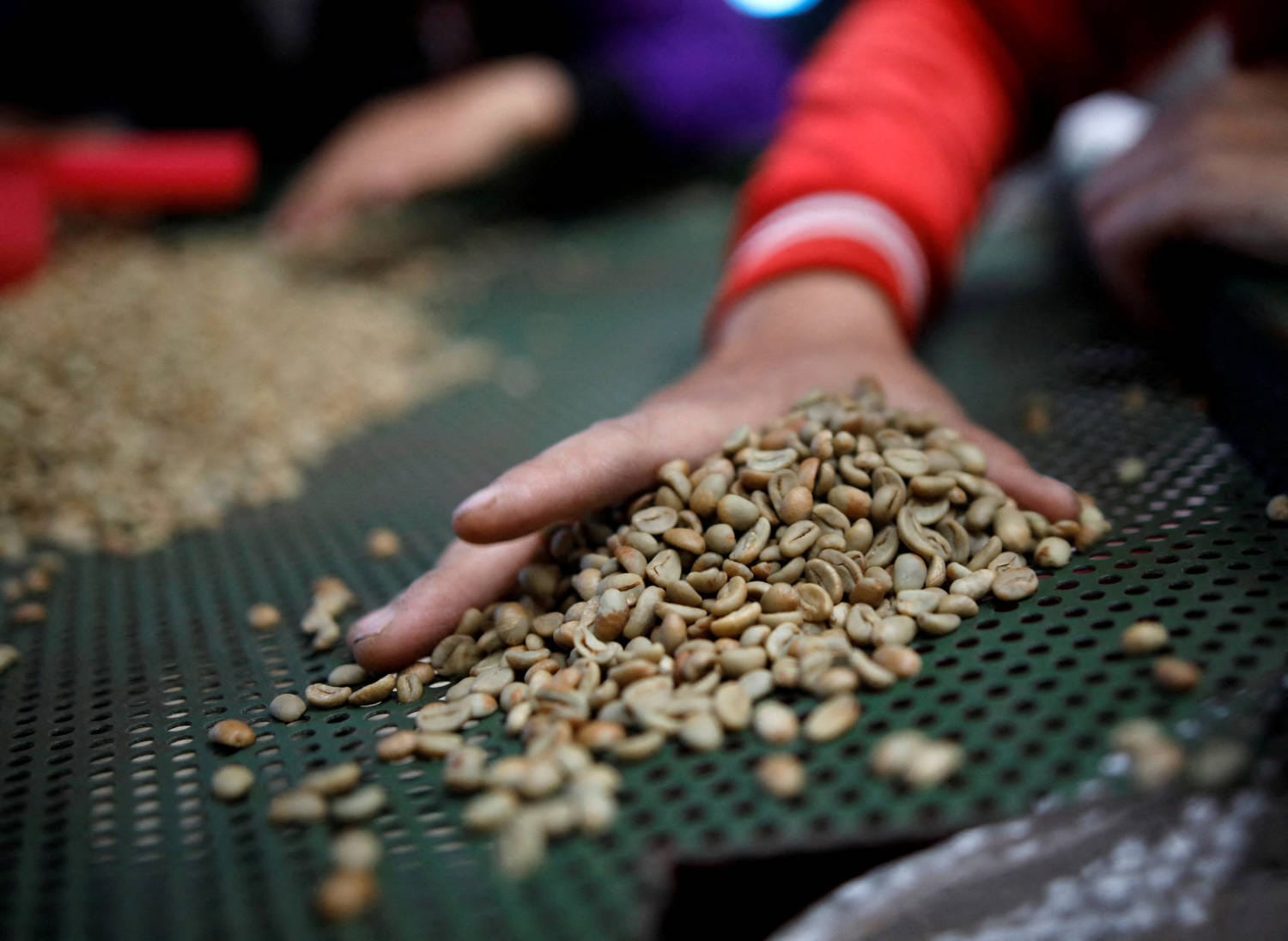
The world’s favorite morning beverage, coffee, has been the subject of a groundbreaking study that has revealed new insights into the beloved Arabica species. Known for its smooth and superior flavor, Arabica coffee has a rich history that intertwines with humanity’s own evolutionary path. Researchers have successfully sequenced the genome of Coffea arabica, tracing its roots back to a natural crossbreeding event between two other coffee species in the ancient forests of Ethiopia, predating the emergence of Homo sapiens.
The study, led by plant evolutionary biologist Victor Albert of the University at Buffalo and genomics senior expert Patrick Descombes at Nestlé Research, involved sequencing 39 varieties of Arabica, including an 18th-century specimen. This has resulted in the highest quality genome of the species to date and has identified a key genomic region that could be crucial for breeding disease-resistant strains.
Albert emphasized the significance of Arabica not only as a major commodity crop but also as an integral part of local economies and cultures in the regions where it is cultivated. Descombes highlighted the potential for this research to lead to the development of new Arabica varieties that are more resilient to diseases and climate change, while also offering new flavor profiles.
Despite its popularity, Arabica coffee faces challenges due to its low genetic diversity, which makes it vulnerable to pests and diseases. The species thrives in specific climates and is primarily grown in areas with favorable conditions to mitigate these threats.
The study also sheds light on the historical spread of Arabica coffee from its cultivation origins in Ethiopia and Yemen to its global presence today. With an estimated 2.25 billion cups consumed daily, coffee is not just a beverage but a vital part of the global economy and culture.
Arabica’s parent species were identified as
As one of the most traded commodities worldwide, Arabica’s genetic blueprint now offers a beacon of hope for sustaining and enhancing this vital crop for future generations.