U.S. Tightens Venezuela Oil Sanctions
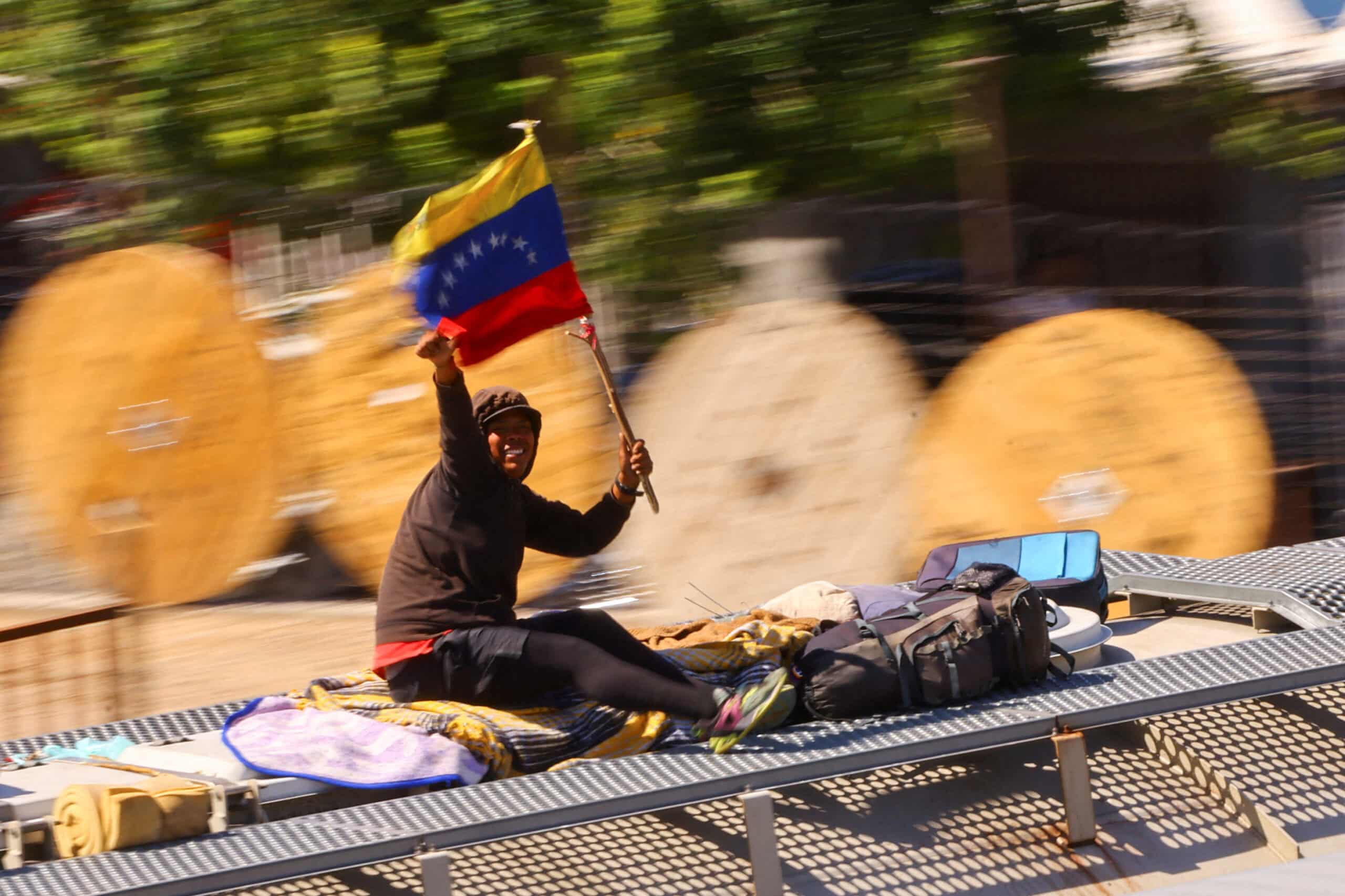
In a significant policy shift, the United States has decided not to renew a key license that allowed for eased sanctions on Venezuela’s oil industry. This move comes as a direct consequence of Venezuelan President Nicolas Maduro’s failure to honor election-related commitments.
The U.S. Treasury Department made a last-minute announcement, granting a 45-day wind-down period for companies to cease their operations in Venezuela’s oil and gas sector. This decision aligns with Washington’s previous warnings that energy sanctions would be reinstated if Maduro did not adhere to the terms of an agreement made with the Venezuelan opposition.
Imposed by the Trump administration in 2019, the sanctions followed Maduro’s disputed re-election victory. Although some terms of last year’s deal were met by Maduro, crucial aspects such as allowing free candidacy in the upcoming presidential elections were not fulfilled. Officials highlighted ongoing disqualifications of candidates and repression of opposition figures as key areas where Maduro’s government fell short.
The Biden administration is thus allowing the six-month general license to expire, marking a retreat from its initial engagement strategy with Maduro’s regime. However, this does not signal a complete return to the “maximum pressure” campaign of the Trump era.
Internal debates within the Biden administration reveal the complexity of balancing punitive measures against Maduro with potential impacts on global oil prices and migration patterns. Venezuelan officials, including Oil Minister Pedro Tellechea, have expressed readiness to face renewed sanctions, asserting the country’s resilience in commercial and logistical terms.
Venezuela’s oil exports saw a surge in March as buyers anticipated the license expiration. Despite this, the country’s oil production capacity remains hampered by damaged infrastructure and lack of investment.
While this action is significant, U.S. officials emphasize it is not definitive regarding Venezuela’s ability to conduct fair elections. The U.S. remains open to dialogue with Maduro’s government, and companies may still apply for specific licenses post-May 31. Certain authorizations, such as those granted to Chevron and European firms, will remain unaffected.
The U.S. continues to express concern over Venezuela’s electoral conditions, particularly the barring of opposition candidate Maria Corina Machado from running. As the opposition deliberates on an alternative candidate, the U.S. condemns the recent arrests of political opponents and activists in Venezuela.