Senate Approves Reauthorization of Contentious Surveillance Program
In a decisive late-night session, the US Senate cast their votes to extend the life of a surveillance program pivotal to the nation’s foreign intelligence operations. The vote came just under the wire, with the program’s expiration looming at midnight. This reauthorization is hailed by proponents as a crucial component of the United States’ national security apparatus.
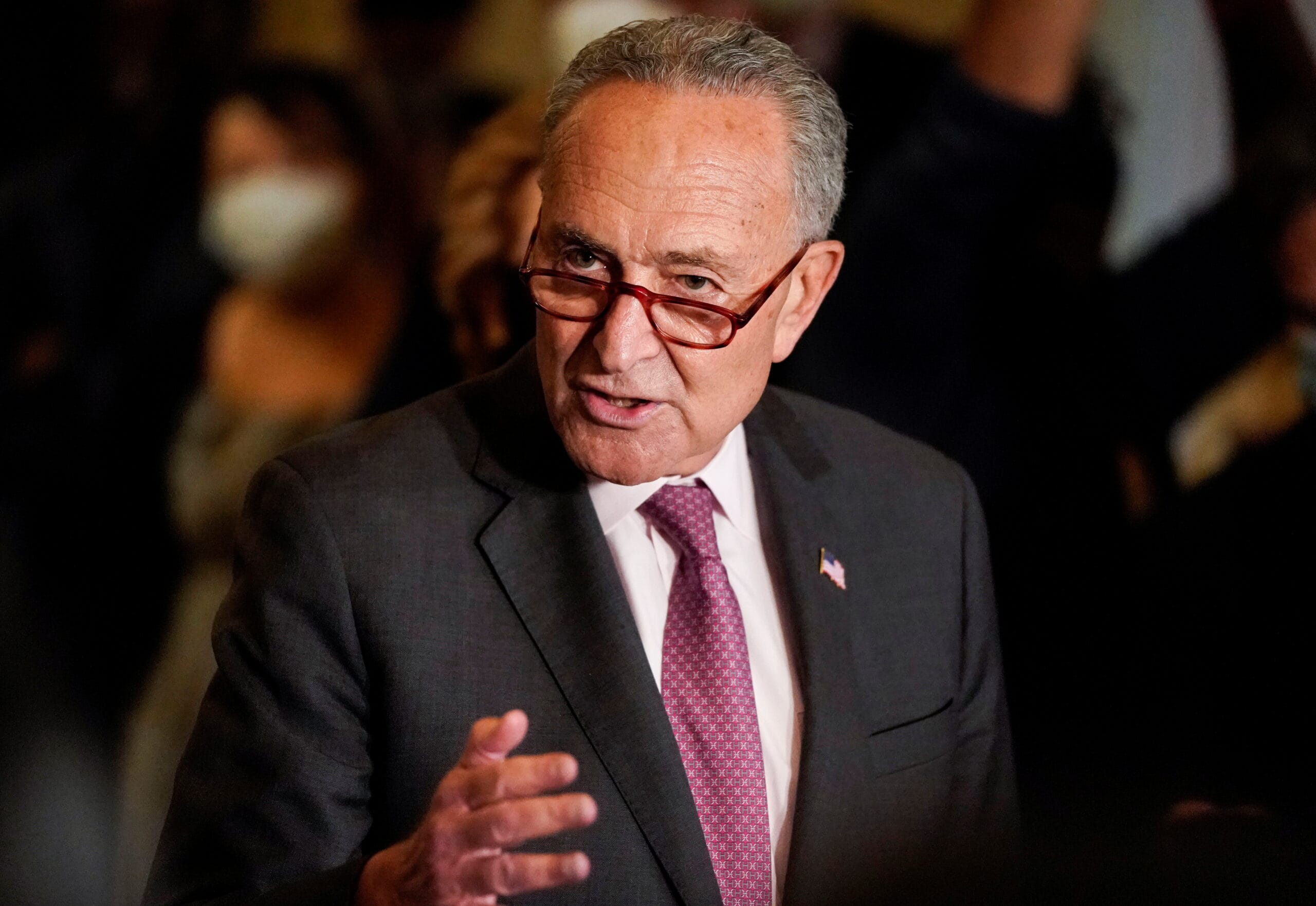
Senate Majority Leader Chuck Schumer praised the bipartisan effort, emphasizing the importance of the Foreign Intelligence Surveillance Act (FISA) in safeguarding the country. “Democrats and Republicans came together and did the right thing for our country’s safety,” Schumer remarked. He highlighted the role of FISA in thwarting terrorism, drug trafficking, and violent extremism.
Despite its passage, FISA has not been without its detractors. Criticism has spanned the political spectrum, with concerns centering on potential infringements on Americans’ constitutional right to privacy. The House of Representatives saw the bill face multiple rejections, primarily from House Republicans challenging their party line. It was only after reducing the reauthorization period from five years to two that the bill secured passage with a 273-147 vote.
The urgency of reauthorizing the surveillance program was underscored by warnings from the White House, intelligence officials, and senior members of the House Intelligence Committee. They cautioned against the grave risks posed by allowing the program to lapse, a program instituted in response to the September 11, 2001, terrorist attacks.
Privacy concerns have been amplified by the fact that while FISA targets foreign nationals, it inevitably sweeps up communications involving Americans. These can then be accessed by domestic agencies like the FBI without a warrant. The recent use of these powers to investigate matters such as Black Lives Matter protests and political campaign contributions has sparked further debate about the surveillance program’s oversight and ethical boundaries.