Fears of Supply Disruption as UK Introduces New Border Checks
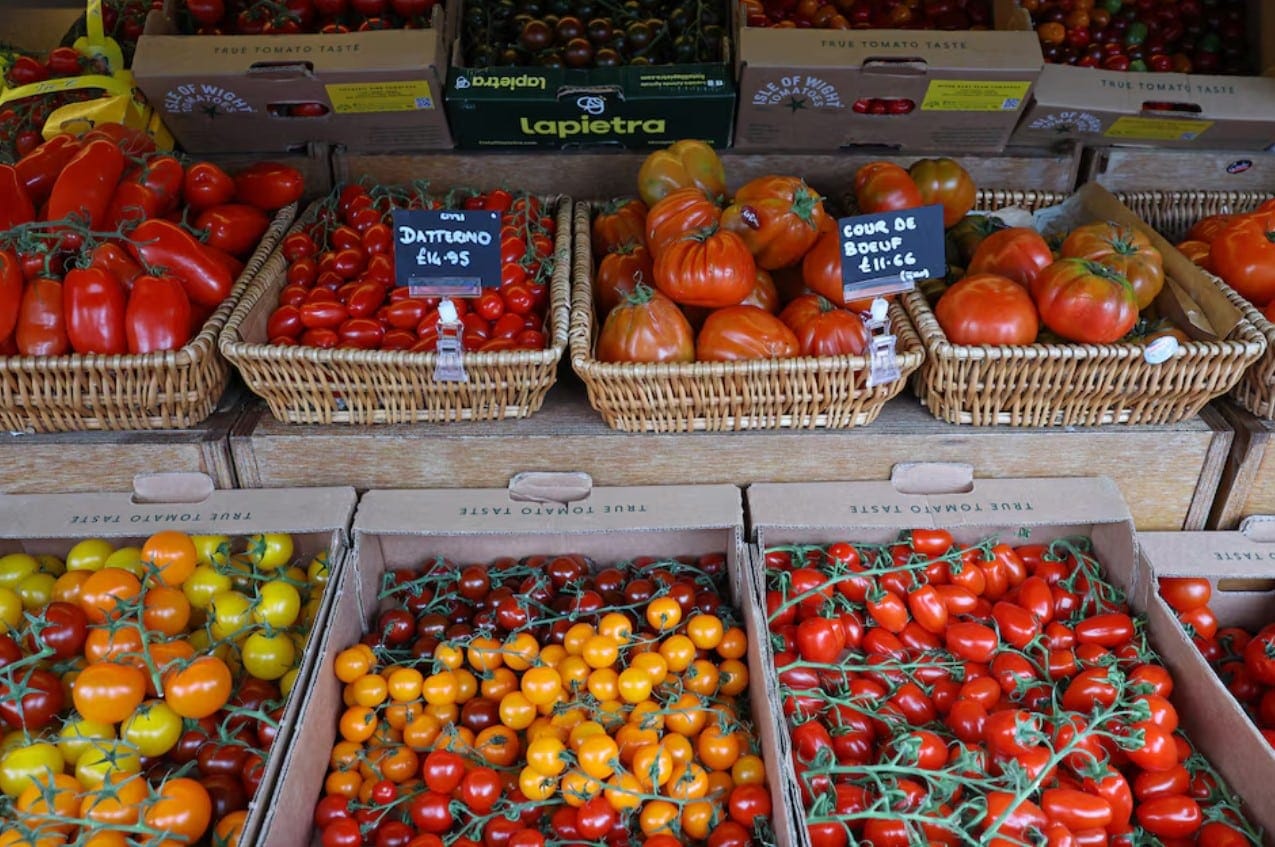
As the United Kingdom braces for the introduction of new border checks this month, local delicatessens and food importers are voicing their concerns over the impending supply disruption. Panzer’s delicatessen, a staple in north west London, has already seen a significant reduction in its supplier network, with 37 European Union suppliers ceasing operations with the establishment since Brexit.
The new regulations, which come into full effect on April 30, will require EU exporters of a range of products including chilled and frozen meats, dairy, and certain plant-based goods to present health certificates. This additional layer of bureaucracy is expected to delay shipments by weeks, impacting the availability and freshness of artisan foods.
Patricia Michelson, owner of La Fromagerie, highlights the challenges faced by small producers who are deterred by the complexity of the new paperwork. The sentiment is echoed by John Farrand, managing director of the Guild of Fine Food, who fears that only the largest processors and retailers will be able to navigate the new system, leaving consumers with less choice and quality in their food and drink.
While the UK government maintains that the checks are necessary to prevent diseases and pests from entering Britain and to create a level playing field for British exporters, businesses like Panzer’s are predicting a different outcome. David Josephs, the owner of Panzer’s, anticipates that the changes will be a disaster for his business, with some meat suppliers already questioning the economic viability of supplying to the UK market.
Nick Carlucci of Tenuta Marmorelle foresees a significant impact on his profit margins due to increased costs and extended lead times. With the additional charges for importing goods like olive oil and cheeses from his family-owned farm in Puglia, Carlucci is concerned about maintaining a steady turnover of products with short shelf-lives.
In response to potential bottlenecks at ports such as Dover, businesses are stockpiling goods where possible. However, the inevitable rise in costs will have to be passed on to customers, affecting prices across farm shops, food halls, and delis.
The government has promised a “pragmatic approach” to the new border rules and does not expect significant disruptions. They estimate an annual collective cost increase for importers of 330 million pounds but project only a marginal rise in food inflation over three years.
Despite these assurances, importers like Andreas Georghiou remain skeptical. Many small producers abroad are unprepared for the certification process and are opting out of exporting to the UK. At a trade show in Florence, the upcoming changes were met with disbelief among international producers, signaling a challenging road ahead for the UK’s fine food import sector.