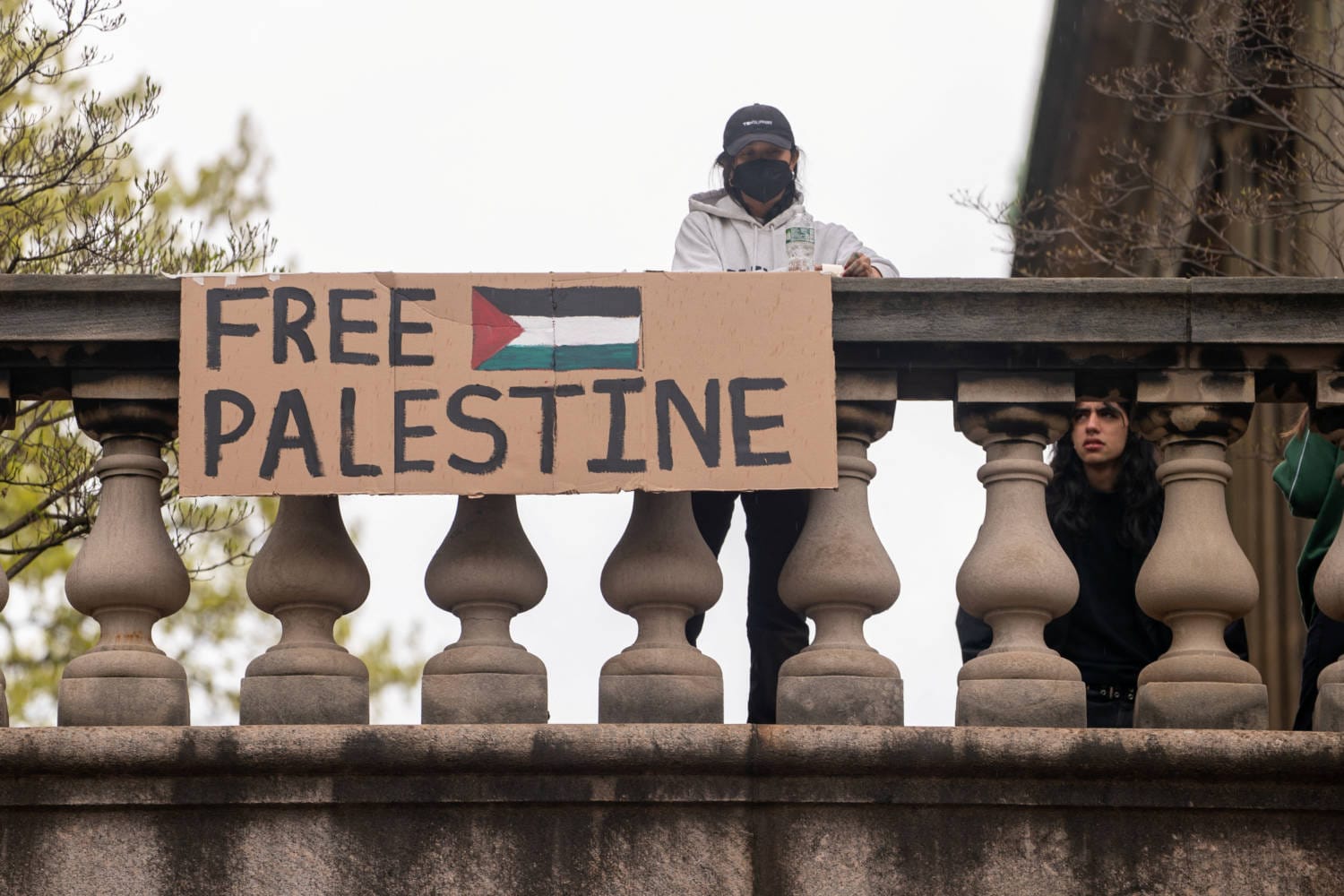
Progress in Negotiations Leads to Partial Dismantling of Columbia University Protest Encampment
In a recent development at Columbia University, students have begun to dismantle a portion of the protest encampment that had taken shape on the institution’s main campus. This move comes as a gesture of goodwill in ongoing negotiations surrounding the contentious issue of Israel’s actions in Gaza. The university has recognized this step by granting a 48-hour extension to the original deadline for the removal of the entire encampment.
The university’s statement on Wednesday highlighted the “significant progress” in talks with the protesters. While the full details of the discussions remain undisclosed, it is clear that both parties are working towards a resolution. The encampment, which has been a focal point for days, has drawn attention to the demands of the protesters, including full disclosure and divestment of any financial interests the university may hold that support the conflict in Gaza, as well as amnesty for students who faced suspension during the protests.
As part of the agreement, student leaders have also committed to ensuring that only those affiliated with Columbia remain on campus grounds, adhering to fire safety regulations, and avoiding any language that could be perceived as discriminatory or harassing. These concessions come after more than 100 protesters were arrested last Friday following the university’s request for police intervention.
The situation at Columbia is reflective of a broader national debate on university campuses regarding Gaza. Reports of antisemitic incidents have sparked concern among Jewish and Israeli students, prompting calls for action from political figures and lawmakers. In response to these concerns, House Speaker Mike Johnson scheduled a visit to the campus to engage with students and address the media.
Columbia President Minouche Shafik has emphasized the importance of maintaining a safe and respectful environment on campus. “The right to protest is essential and protected at Columbia, but harassment and discrimination is antithetical to our values,” Shafik stated, reaffirming the university’s stance on upholding mutual respect and kindness within its community.
With graduation ceremonies approaching on May 15, there is an urgency to resolve the encampment issue promptly. The New York Police Department has indicated its readiness to assist with any violations, emphasizing that while the campus is private property, they will intervene independently if violent crimes occur.
The unfolding events at Columbia University serve as a microcosm of the larger debates taking place across college campuses in America, highlighting the delicate balance between freedom of expression and maintaining an inclusive academic environment.