Elon Musk Adopts Traditional Auto Industry Playbook for Tesla’s Future
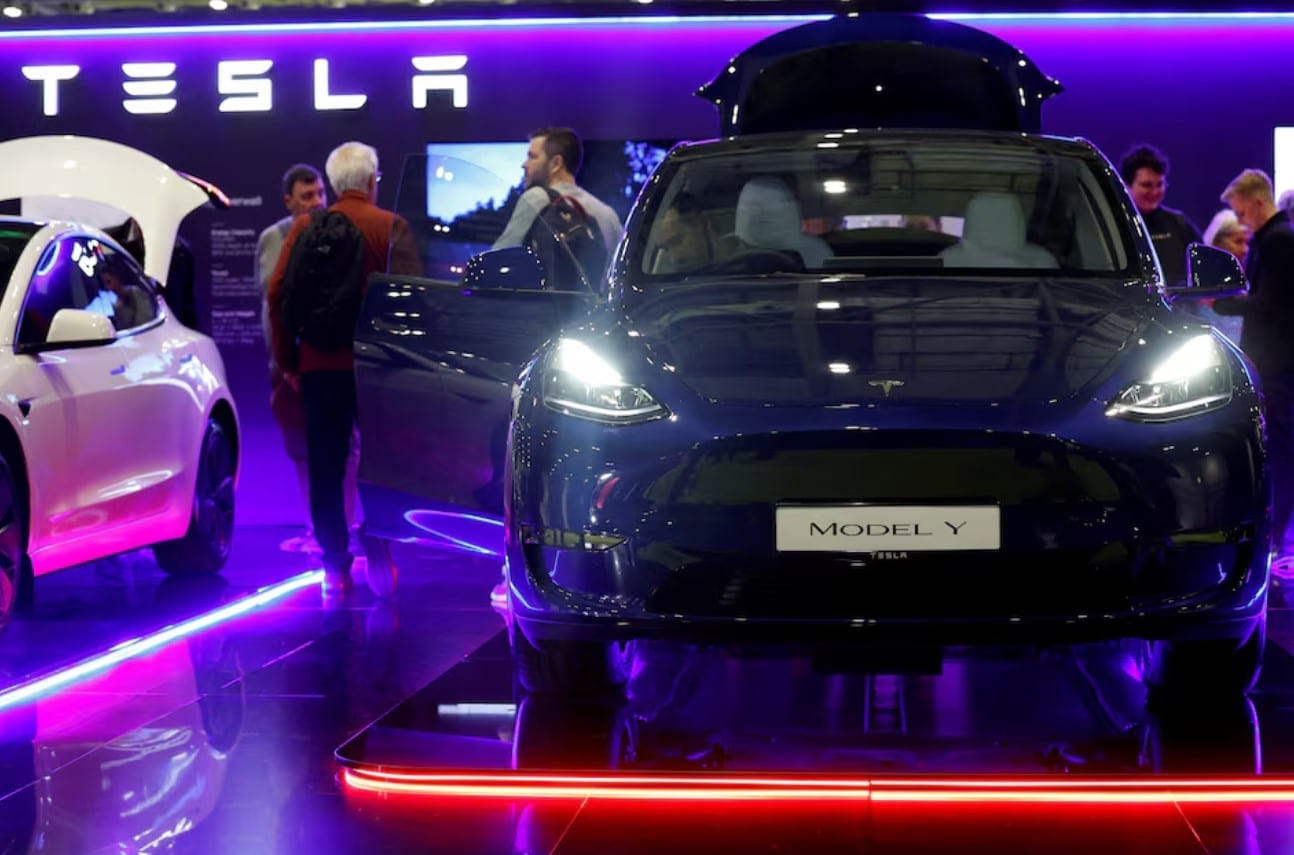
In a move that aligns with the strategies of automotive giants like Ford and General Motors, Elon Musk has announced a shift in Tesla’s approach to vehicle production. Rather than introducing entirely new models, Tesla will focus on creating more affordable versions of its existing product lines. This decision comes on the heels of a Reuters report revealing that Tesla has put a halt to the development of the anticipated $25,000 Model 2.
Investors and market analysts have largely applauded the announcement, which led to a significant uptick in Tesla’s stock value. The company plans to leverage its current platforms and production capabilities to roll out these cost-effective vehicles by early next year, though specific details and pricing remain undisclosed.
According to Sandeep Rao of Leverage Shares, “It is a traditional automaker strategy.” He likens the potential offerings to Volkswagen’s model variants, which range from basic to premium. Despite the absence of a formal response from Tesla regarding the strategy, anticipation is high among investors like King Lip of BakerAvenue Wealth Management, who predicts strong popularity for the upcoming models.
Some industry experts, including Bernstein analyst Toni Sacconaghi, speculate that Tesla may introduce pared-down versions of the Model 3 and Y to achieve lower price points. However, there are questions about how much cost can be effectively removed from these vehicles. Tesla has previously acknowledged nearing “the natural limit of cost down” for its current lineup.
Musk’s ambitious timeline for new car releases has been met with skepticism, given past delays such as the Cybertruck’s prolonged production ramp-up. James Womack, a former MIT research director, suggests that adopting legacy automaker practices for timely vehicle launches could benefit Tesla.
The strategic pivot is also seen as a means for Tesla to counteract the growing competition from Chinese automakers. K. Venkatesh Prasad, formerly of Ford and now at the Center for Automotive Research, emphasizes the critical role of speed in maintaining a competitive edge in the industry.
As Tesla transitions towards producing more affordable vehicles, some investors are reassessing the company’s valuation, which had previously been bolstered by its tech-centric image. Don Nesbitt of ZCM highlights the importance of this shift, remarking that Tesla is now being viewed more squarely as an automaker.
With this change in direction, Tesla is poised to register car near me options that could redefine the reg motor vehicles landscape, aligning futuristic vision with time-tested industry methods.