Election Results Forecast Amidst Cypriot Pessimism
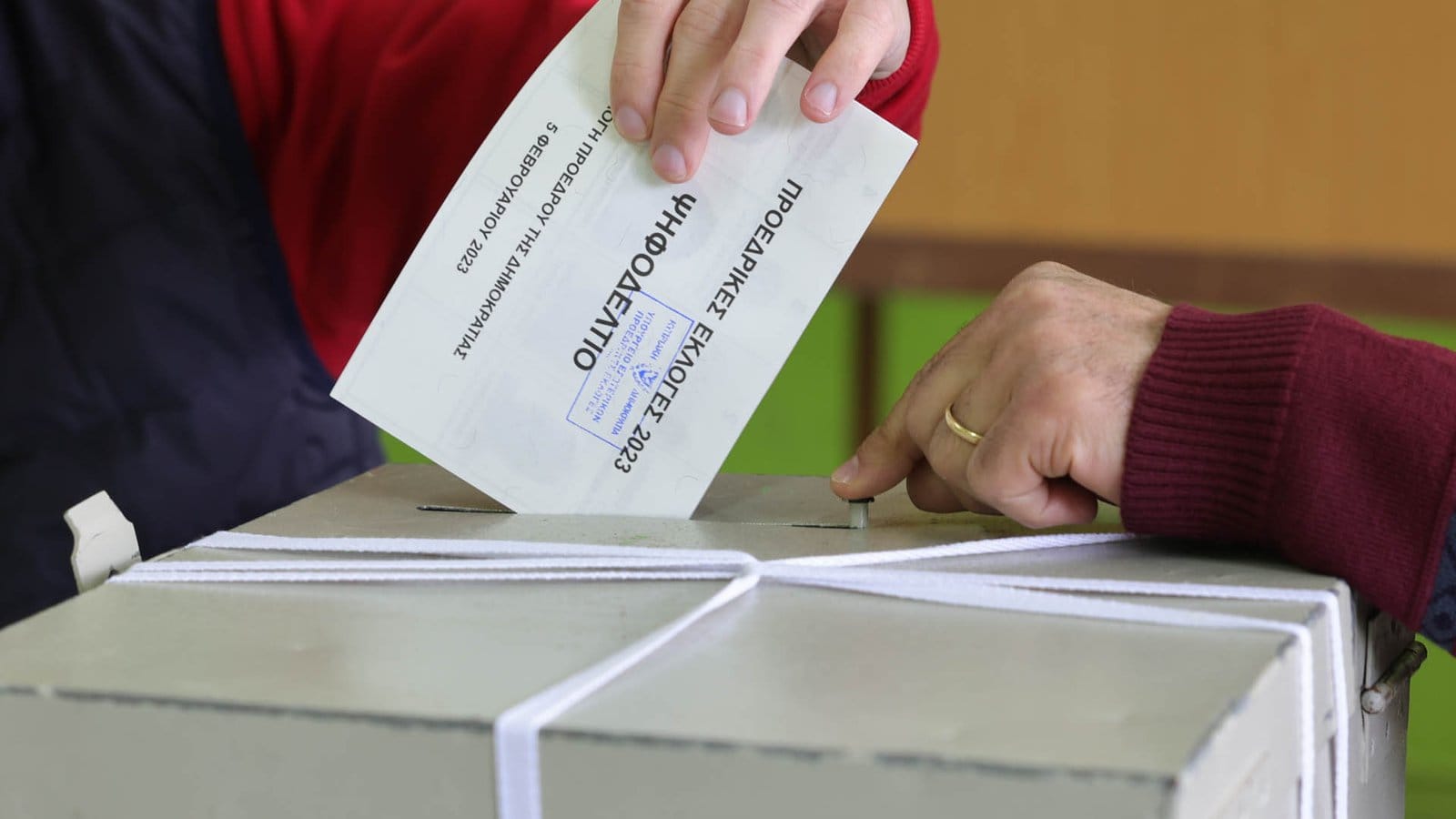
In the lead-up to the June 9 multi-ballot elections, a recent survey indicates a pessimistic outlook among Cypriots concerning the future, the economy, and geopolitical crises. Despite this, there remains a steadfast trust in European institutions and the Euro. The survey, conducted by CMRC-Cypronetwork for CyBC, involved 1,227 participants between April 10 and April 22.
The political parties expected to dominate the upcoming European Parliament elections are DISY and AKEL, with DISY leading at 20% and AKEL close behind at 19%. Other parties such as ELAM, DIKO, and EDEK trail with lower percentages. The threshold for securing a seat stands at 16%, leaving some parties on the edge, awaiting vote re-weighting.
Concerning the direction of Cyprus, 64% of respondents believe the country is headed in the wrong direction, a significant increase from previous polls. The issues at the forefront of citizens’ concerns have shifted, with migration now topping the list, followed by corruption and the rising cost of living.
On the topic of international conflicts, a majority of Cypriots prefer neutrality in the Israel-Hamas Gaza conflict. Similarly, the war in Ukraine is viewed as having a negative impact on the Cypriot economy by 77% of those surveyed.
Local administration issues have also been highlighted, with many respondents indicating they are not well-informed about municipal reforms. As for quality of life across cities in Cyprus, Limassol leads with 26%, followed by Nicosia and Larnaca.
The prospect of resolving the Cyprus problem remains bleak in public opinion, with 92% expressing pessimism. However, there has been a shift in preferred solutions, with an increasing number advocating for a return to a unitary state.
Public perception of Turkish Cypriots has seen a mild improvement, and even the popularity of Turkish Cypriot leader Ersin Tatar has seen less negativity compared to earlier in the year. In terms of international relations, Greece continues to play a significant role, though diminished from previous years.
Trust in local institutions like elected mayors and municipalities has seen a decline, while parliament has gained some trust. The Church of Cyprus is one of the few institutions that has seen an increase in public trust.
When it comes to European matters, there is a sense that Cyprus has benefited from EU accession and the introduction of the Euro, though trust in the European Parliament and European Commission has decreased slightly over the past five years.
Despite the challenges, voter turnout intentions remain high, with 82% stating they will participate in the upcoming elections—a figure that surpasses recent Eurobarometer findings for European voter turnout expectations.