Germany’s Economic Challenges and the Need for a Turnaround
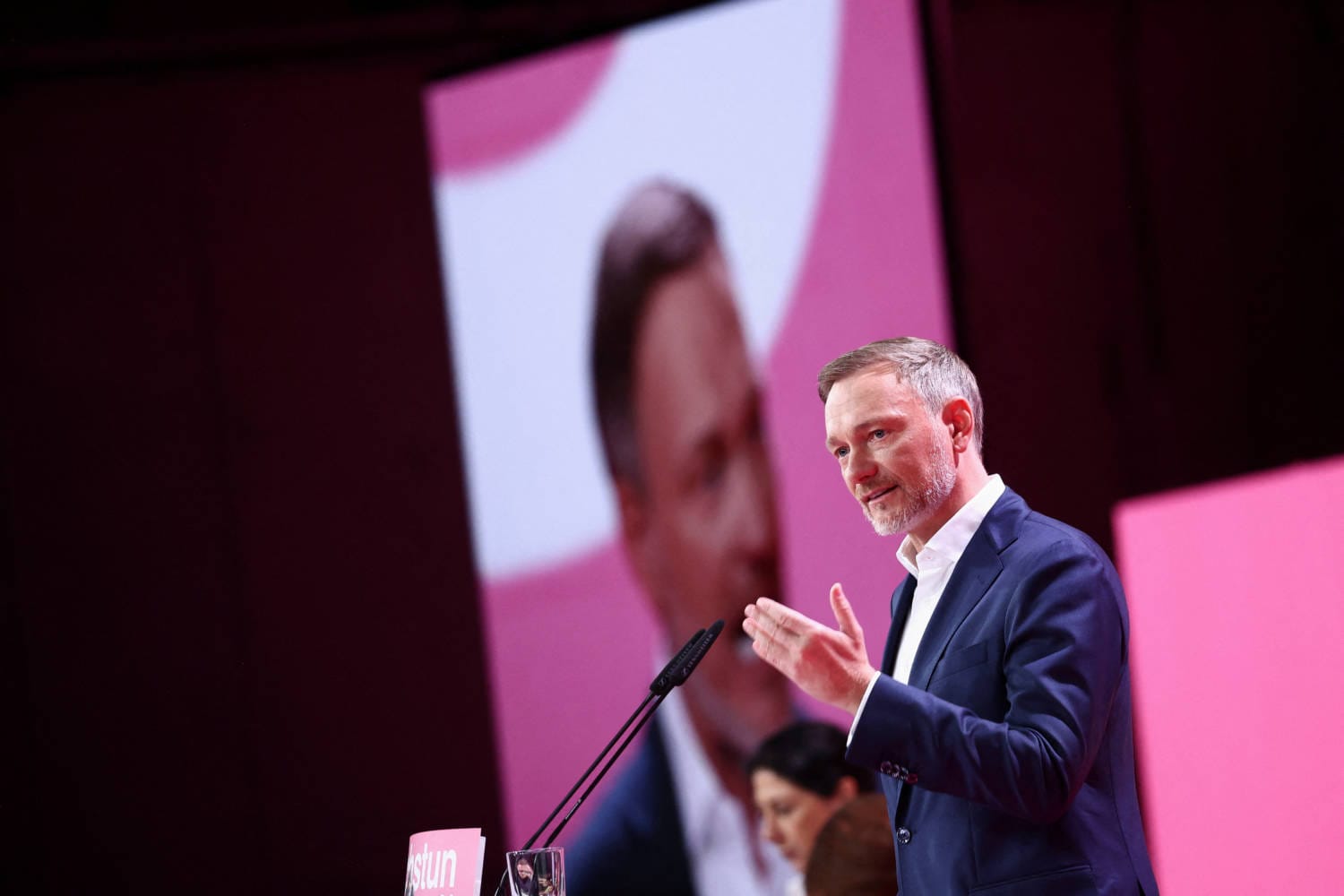
Amidst the backdrop of global economic headwinds, Germany’s Finance Minister Christian Lindner has emphasized the urgent need for an economic turnaround to maintain the nation’s geopolitical position. Speaking at his party’s conference in Berlin, Lindner, who leads the Free Democrats FDP, highlighted the interconnectedness of economic vigor and geopolitical strength, particularly in light of the ongoing conflict in Ukraine.
Germany’s economy was the weakest among its large euro zone peers last year, grappling with a confluence of challenges that have dampened its growth prospects. High energy costs, subdued global demand, and record high interest rates have all played a part in this slowdown. The International Monetary Fund has acknowledged these difficulties, revising its forecasts downward. The International Monetary Fund has cut its GDP forecasts for Germany, expecting a mere 0.2% growth this year and a modest 1.3% in 2025.
The revised figures stand in stark contrast to the broader euro zone estimates of 0.8% for 2024 and 1.5% for 2025, underscoring Germany’s current position as a laggard within the bloc. This is particularly notable given that it was the only major economy to suffer a contraction last year.
Lindner’s remarks also drew a direct line between economic performance and national security, particularly in the context of Russian aggression. “We need the
The call to action from Germany’s finance chief reflects a broader recognition that the country’s economic strategy must adapt swiftly to the changing international landscape. With security concerns at the forefront, the link between a thriving economy and a strong geopolitical stance has never been more pronounced.