EU Commissioner Sinkevičius on Climate Change and Cyprus
In a recent interview with Phileleftheros, Virginijus Sinkevičius, the European Commissioner for the Environment, Oceans, and Fisheries, discussed the European Union’s proactive stance on environmental protection and the Green Deal’s role in paving the way towards sustainability. Acknowledging the myriad of challenges that lie ahead, Sinkevičius emphasized the necessity of maintaining a firm commitment to achieving climate and environmental objectives.
With its unique geographical location, Cyprus is anticipated to face significant repercussions from climate change, particularly affecting agriculture, tourism, and fisheries. Sinkevičius underscored the importance for all Member States, including Cyprus, to adhere to climate targets to alleviate the detrimental effects of climate change.
The Commissioner also addressed concerns regarding Cyprus’s handling of Natura2000 areas, noting ongoing infringement procedures and the lack of clarity in processes that could lead to conflicts with economic activities. He warned that Cyprus could face litigation in the European Court over Natura2000 issues if necessary measures are not taken.
Despite disruptions such as the pandemic and geopolitical tensions, Sinkevičius highlighted the Commission’s progress in implementing the Green Deal. He detailed advancements in circular economy plans, biodiversity strategies, and the zero-pollution ambition. The Commissioner also expressed satisfaction with measures taken in fisheries amidst challenging times.
As for Cyprus’s role in implementing the Green Deal, Sinkevičius pointed out the direct impact of climate change on the island nation, with rising temperatures threatening key economic sectors. He stressed the critical need for Cyprus to implement climate targets and adapt practices to ensure sustainable livelihoods.
On the matter of Cyprus’s proceedings related to Natura 2000 sites, Sinkevičius urged for a comprehensive assessment of protective measures to avoid conflicts with economic activities. He reiterated that without clear goals and protective measures for Natura 2000 areas, little progress can be made.
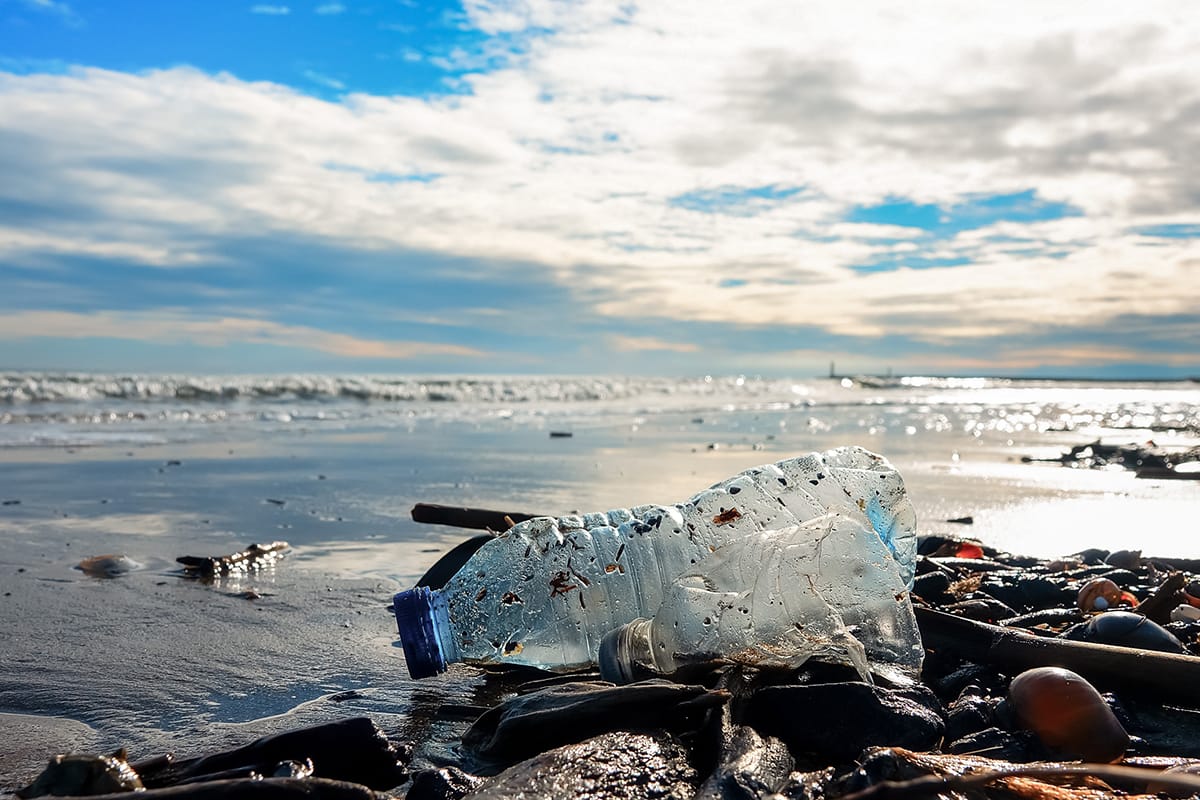
Addressing Mediterranean environmental challenges, Sinkevičius called for strengthened regional collaboration to protect marine ecosystems from overfishing and pollution. He emphasized the importance of sustainable fishing practices and effective waste management systems to preserve the Mediterranean Sea.
Lastly, Sinkevičius touched upon textile waste as an under-addressed issue, advocating for improved recyclability and separate collection systems. He proposed green designs to help consumers make more sustainable choices and reduce the environmental footprint of clothing.