Assessing the Economic Landscape in Cyprus
In a period marked by economic turbulence, the financial strategies of the Cyprus government and its banking sector have come under scrutiny. With a focus on fiscal surpluses and cash accumulation, there is a growing concern that both entities could do more to bolster the economy and provide relief to citizens.
The government’s pursuit of fiscal surpluses has resulted in a significant cash reserve, with over €3.5 billion held at the Central Bank and €2.1 billion at commercial banks by the end of February 2024. This conservative fiscal approach has led to austerity measures that limit expenditure on social security and initiatives for green and digital transitions. The government’s expenditure as a share of GDP stands at 40.2 percent, notably lower than the euro area’s average of 50 percent.
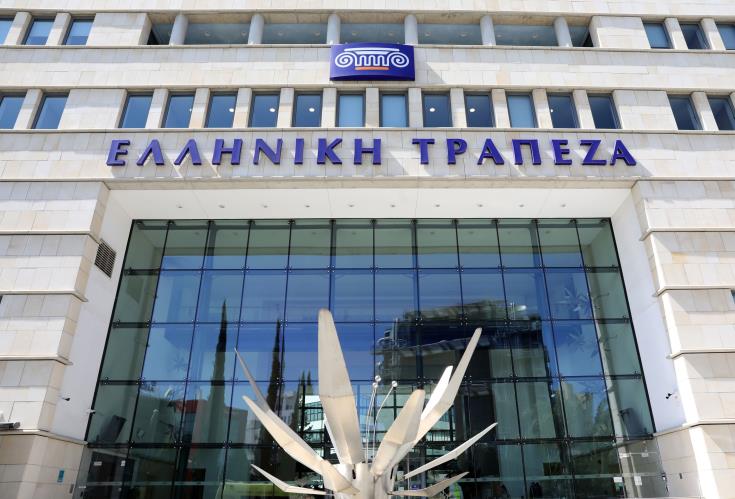
Meanwhile, Cyprus banks have been maintaining high levels of liquidity, with over 36 percent of their assets held in cash. This cautious stance has restricted the flow of loans and advances that could stimulate real economic growth. The Bank of Cyprus and Hellenic Bank, two of the nation’s leading financial institutions, have been particularly conservative, with their cash balances at the end of 2023 surpassing outstanding loans and advances.
Despite these challenges, there are opportunities for improvement. The government could optimize its resources by reducing its wage bill and reallocating funds towards social benefits and strategic investments in line with the Recovery and Resilience plan. Additionally, addressing systemic corruption and tax evasion could free up funds for essential projects.
For the banking sector, including Hellenic Bank, there is a pressing need to shift focus from short-term profit generation to supporting long-term economic activity through productive lending. Banks have been benefiting from high interest rates offered by the European Central Bank (ECB) on their deposits, which has disincentivized them from extending loans to businesses and households.
The role of the new governor of the Central Bank will be pivotal in encouraging banks to deploy their assets more effectively. This could involve advocating for a reduction in the ECB overnight deposit rate to prompt banks to lend more actively.
Furthermore, as Cyprus navigates through its economic challenges, it’s important to note that citizens rely heavily on bank deposits for savings. With inflation impacting real disposable incomes, there is a call for banks to offer higher deposit rates to protect savers from the erosion of their savings’ real value. The government could support this by reducing the defence tax rate on interest income.
Enhancing bank of Cyprus internet banking services, extending Hellenic Bank working hours, and improving customer access to financial services could also play a role in strengthening economic participation.
As Cyprus continues to adapt to changing economic conditions, both the government and banks must consider how they can better serve their citizens and contribute to sustainable growth. With strategic adjustments, there is potential for a more balanced approach that supports public welfare while maintaining financial stability.