IRS Supports Entrepreneurs During National Small Business Week
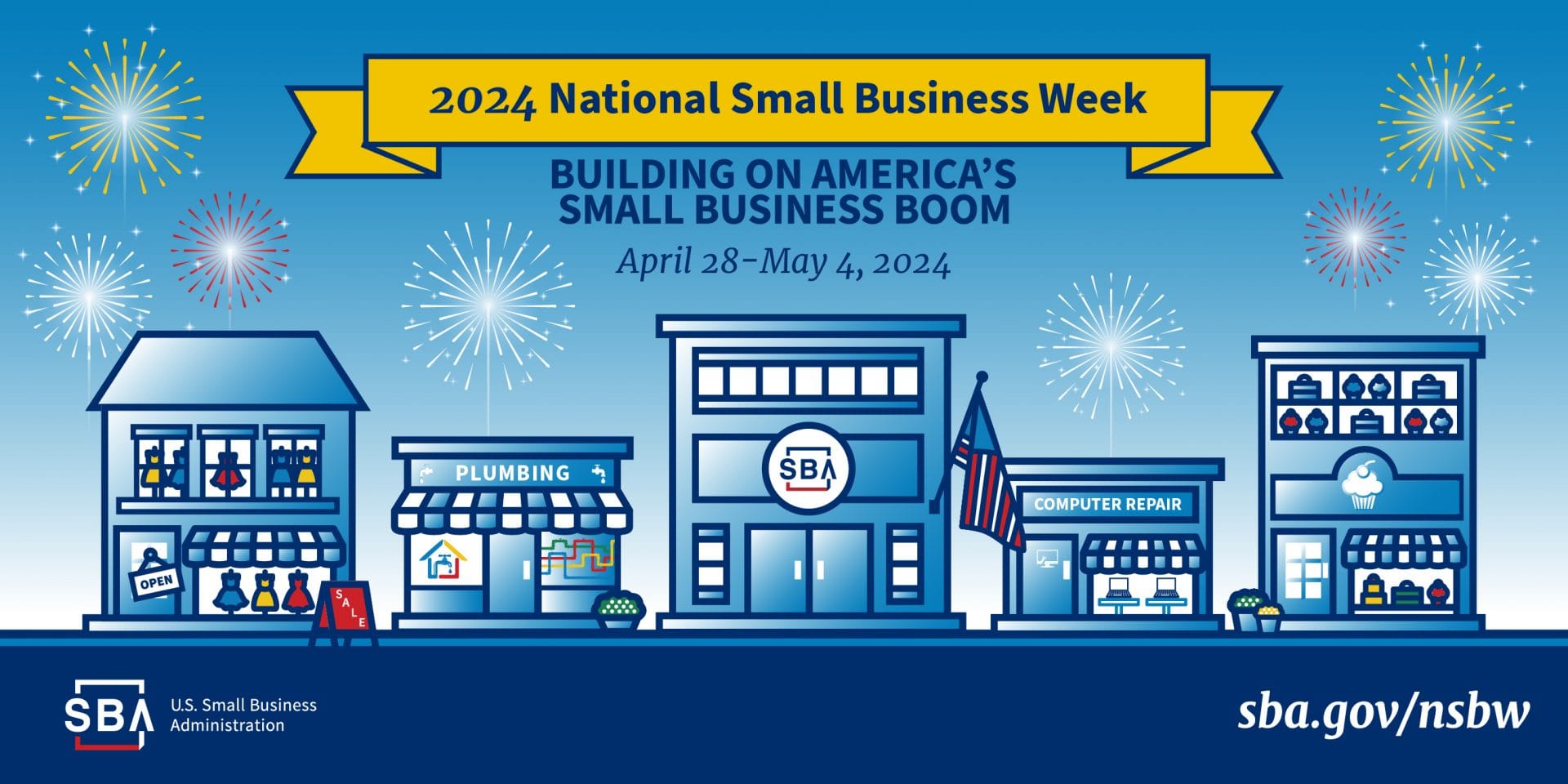
In light of the upcoming National Small Business Week, the Internal Revenue Service (IRS) is proactively reaching out to offer tax-related information to entrepreneurs. This initiative is part of a broader effort to support small business owners as they navigate the complexities of tax laws and fulfill their tax responsibilities. The event, orchestrated by the U.S. Small Business Administration, is themed “Building on America’s Small Business Boom” and spans from April 28 to May 4.
The IRS, a key partner in this celebration, aims to educate small business entrepreneurs through a variety of platforms. Tax tips and valuable guidance will be disseminated via e-News publications and social media channels such as Facebook, X (formerly Twitter), LinkedIn, and Instagram. Each day of the week will focus on different aspects crucial for small business success.
- Monday: Emphasizes the importance of best practices and utilizing IRS resources.
- Tuesday: Offers insights into starting a business with a robust foundation.
- Wednesday: Alerts about scams targeting small businesses and how to protect against them.
- Thursday: Provides updates and resources for tax professionals aiding small businesses.
- Friday: Discusses disaster relief and federal tax assistance for affected businesses.
Entrepreneurs must consider several tax-related aspects when starting a business, such as obtaining an employer identification number (EIN), which is essential for tax filings and can be acquired online at no cost. The choice of business structure is also pivotal, influencing the type of income tax return form to be filed. Options range from sole proprietorships to corporations, S corporations, partnerships, and limited liability companies (LLCs).
Understanding business taxes is another key area. Business owners are required to pay income tax, self-employment tax, employment tax, and possibly excise tax, depending on their operations. Additionally, selecting an appropriate “tax year” that aligns with their business cycle—whether a calendar year or a fiscal year—is an important decision.
Lastly, the IRS underscores the significance of responsible recordkeeping. Well-maintained records are not only vital for tax preparation but also for financial management and tracking business growth. It is recommended that small business owners retain their records for a minimum of three years.
With these resources and guidance, the IRS is committed to ensuring that small business entrepreneurs are well-equipped to thrive during National Small Business Week and beyond.