Audit Office Raises Concerns Over Aquaculture Project
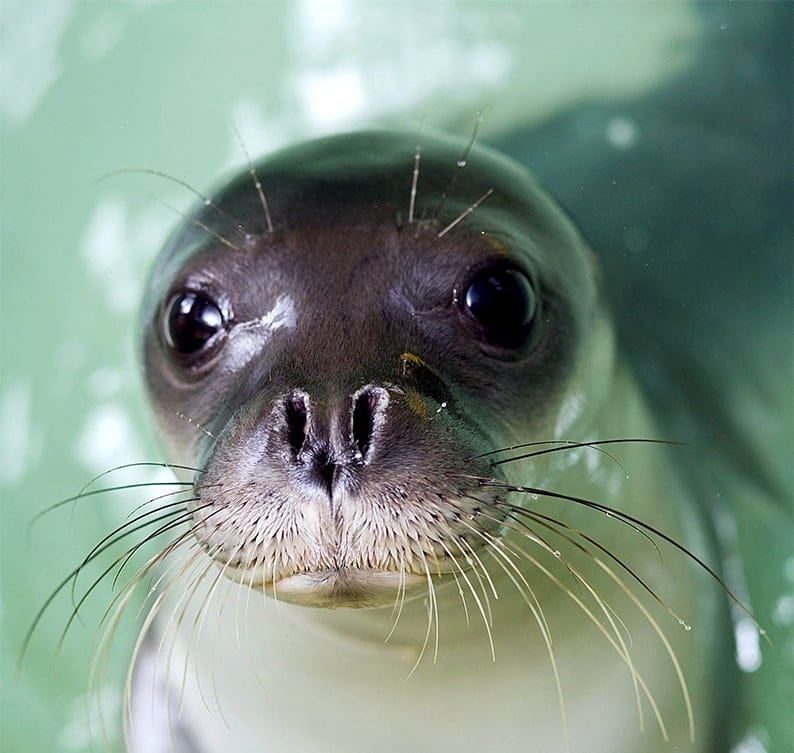
In a significant development, the Audit Office has urged for a comprehensive reassessment of a proposed aquaculture project in Moni-Vasilikos, highlighting potential threats to the Mediterranean monk seal, an endangered species. The call for action comes after the Bird Life NGO expressed concerns about the environmental viability of the fishing farm planned near Pentakomo village, which lies in proximity to a ‘Site of Community Importance’.
The contentious issue of the aquaculture facility, with a tender worth €34 million issued in March 2024, has been under scrutiny since planning commenced in 2014. Despite the extended timeline, the Audit Office pinpointed a lack of comprehensive scientific analysis from the Department of the Environment and the Department of Fisheries and Marine Research on the environmental impacts of the project, particularly on sea caves inhabited by the seals.
The Audit Office’s report calls for an update to existing studies to align with the latest international environmental standards. This recommendation echoes the sentiment of Bird Life Cyprus, which, as early as May 2023, warned that the Pentakomo coast serves as a habitat for the Mediterranean monk seal, described as “one of the rarest and most threatened species in the world”. The NGO had previously criticized the project’s progression towards approval based solely on preliminary site screening, arguing that it contradicts best practices for nature conservation within the EU.
Bird Life has proposed designating the area as a Natura 2000 site to safeguard the seal population. This proposal gains further weight in light of a recent communication from the European Commission. On March 13, the Commission issued a reasoned opinion to Cyprus, cautioning against the country’s approach to greenlighting development projects without thorough assessments of their impact on conservation-worthy areas. The European body highlighted a “systematic” pattern where projects posing significant threats to protected sites were approved based on inadequate screening processes that lacked detailed scientific backing.
The Audit Office’s findings and recommendations underscore a growing concern over balancing economic development with environmental conservation, especially when it involves species at risk of extinction and ecologically sensitive areas.