Navigating the Path to a Global Plastics Treaty
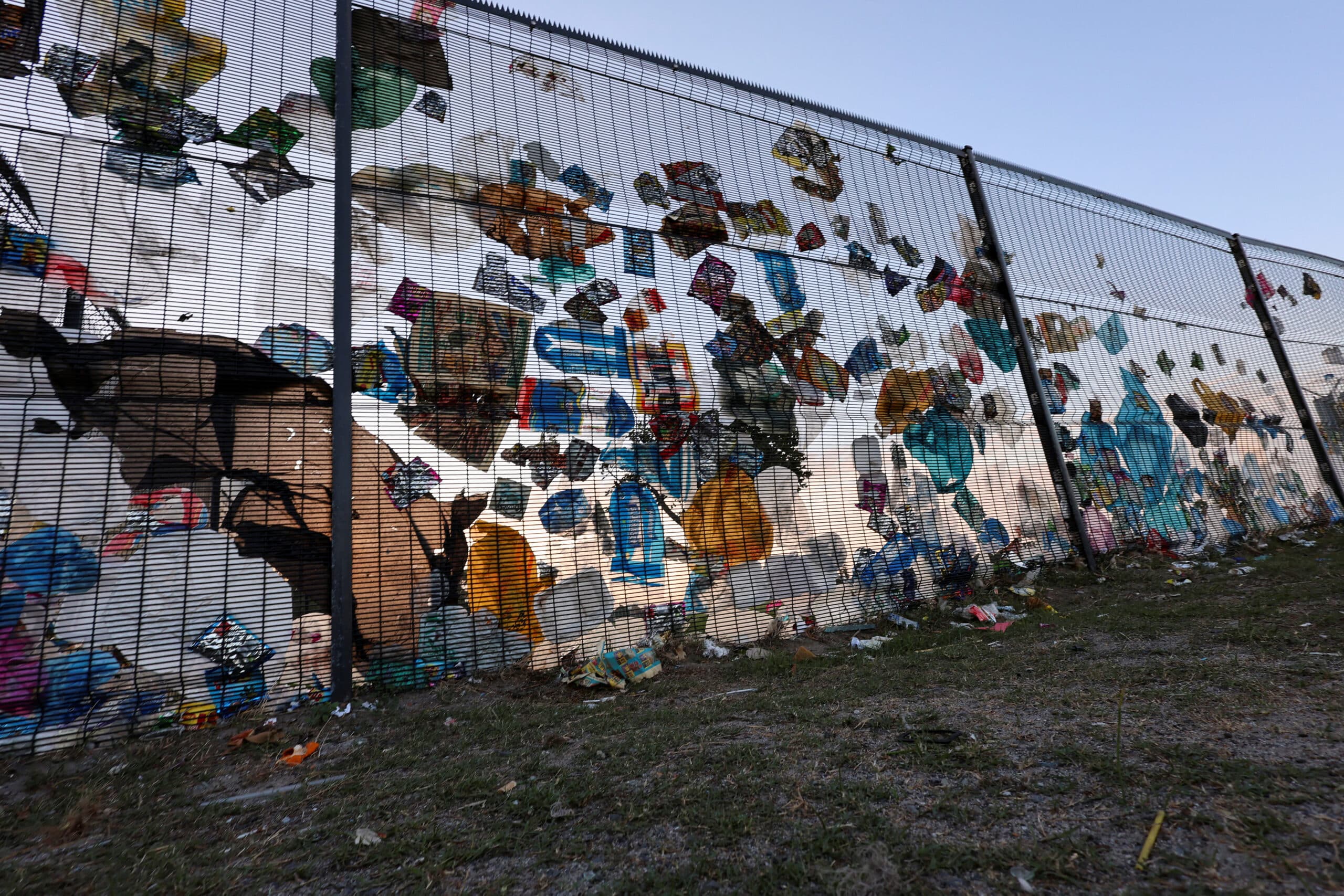
As the urgency to address the global plastic crisis mounts, countries are contemplating a series of smaller gatherings leading up to a decisive meeting in December, where the world’s first plastics treaty is anticipated to take shape. The central debate hinges on whether the treaty should mandate reducing plastics production, a topic that has seen divergent views as negotiations drew to a close this Monday in Ottawa.
During the intense discussions, over 60 nations, including Rwanda, Peru, and members of the European Union, part of the High-Ambition Coalition, have advocated for including production caps in the treaty. They suggest dedicating the upcoming months to explore possibilities for cutting down certain types of plastics. Juliet Kabera, Rwanda’s chief negotiator, emphasized the critical situation, stating that
Rwanda and Peru have taken the initiative to propose a method for determining baseline levels of plastic usage per country, aiming to curb overproduction. This proposal is intended to inform and shape the final treaty. However, this proactive stance has met resistance from petrochemical producers like Saudi Arabia and China, who prefer focusing on waste management and product redesign for easier recycling.
On the concluding day of the Ottawa talks, delegates formed working groups to iron out details of the treaty, including financing mechanisms. Luis Vayas Valdivieso of Ecuador, chair of the talks, announced these plans but left the question of production limits open.
Notably, no objections were raised against the intersessional working groups—a stark contrast to the November negotiations in Nairobi where Saudi Arabia led opposition against drafting outside official summits. In Paris last year, procedural debates stalled substantive discussions, but this time around, there appears to be a collective push towards progress.
The Ottawa conference saw a significant turnout with thousands registered, including lobbyists from the fossil fuel and chemical sectors. As the talks concluded, there was a sense of optimism among some delegates. Angolan negotiator Santos Virgilio captured the sentiment: “We have already exhausted all of our arguments and now it is time to show good will and good faith and start negotiating the treaty.”
With all eyes on the upcoming sessions, the journey towards a comprehensive plastics treaty continues as nations strive to find common ground in combating plastic pollution.