Industry Reactions to Tesla’s EV Charging Business Layoffs
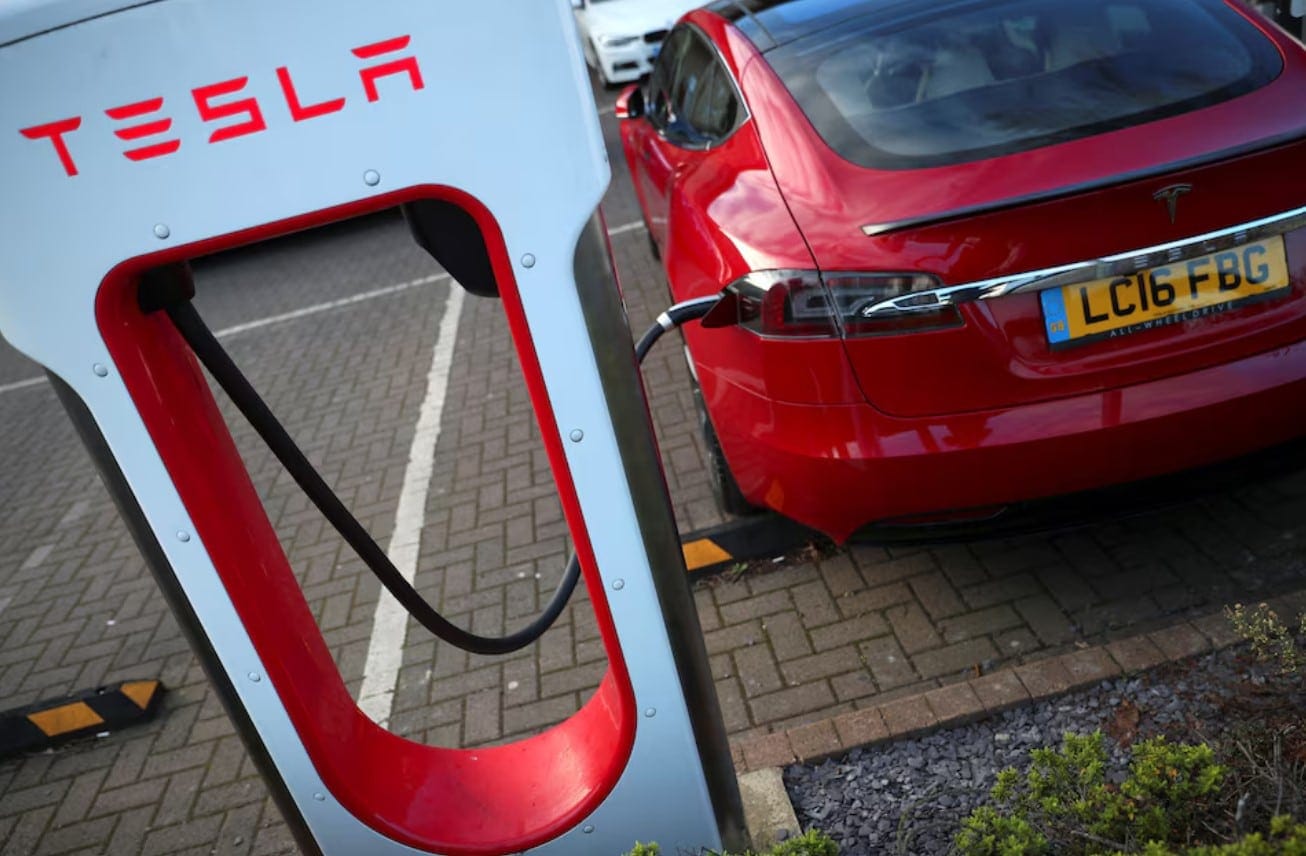
In a surprising move, Elon Musk has initiated layoffs within Tesla’s electric vehicle charging division, causing ripples across the automotive industry. Automakers that had been preparing to integrate their new electric vehicles (EVs) with the Tesla Supercharger network were caught off guard by this decision. Despite the unexpected news, companies like General Motors and Ford have stated that they will proceed with their plans unchanged.
The opening of the Tesla Supercharger network to other manufacturers was a significant step, endorsed by President Biden, and it positioned Tesla to benefit from federal subsidies aimed at expanding the North American Charging Standard (NACS) system. However, the recent dismissal of Rebecca Tinucci and her team, who were instrumental in operating and maintaining the network, has left many questioning the future of Tesla’s commitment to electric vehicle charging.
While Tesla has remained silent on the layoffs, Musk has indicated that the expansion of the Supercharger network will continue, albeit at a reduced pace. This news has left partners like Andres Pinter of Bullet EV Charging Solutions in a state of uncertainty, though he remains optimistic about Tesla’s involvement in the federally funded NEVI program.
Amidst speculation, some believe that Musk’s actions could be a strategic move to restructure the Supercharger team for efficiency and cost-effectiveness. This comes as Tesla faces a challenging period marked by lower profits and a need for stringent cost management. The company’s focus seems to be shifting towards areas like artificial intelligence and autonomous driving technologies.
Despite the layoffs and potential strategy shifts, major automakers are steadfast in their plans to provide customers with access to Tesla’s charging stations. Both GM and Ford have expressed their intentions to continue equipping their EVs with compatible connectors for the Supercharger network.
Analysts suggest that while traditional car manufacturers might see value in maintaining a charging network for consistent revenue and customer engagement, Musk may view it differently. With the industry’s adoption of the NACS standard, the Supercharger network might be perceived more as an expendable cost center rather than a strategic asset.
Nevertheless, the Tesla Supercharger network holds considerable value and could be an attractive proposition if Musk ever decides to sell it. Its reliability and strategic locations set it apart from other US charging networks, which have faced challenges in these areas. As the EV landscape continues to evolve, Tesla’s next moves will be closely watched by industry players and analysts alike.