Monastery Construction Plans Halted on Protected Land
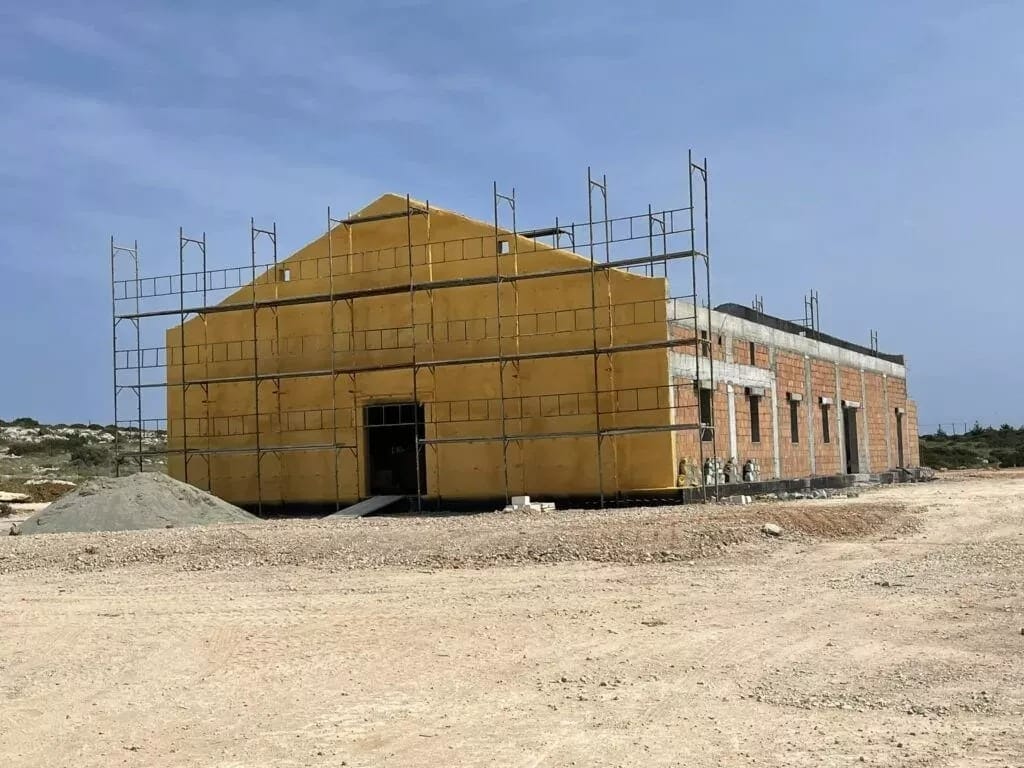
The Famagusta Constantia bishopric’s plans to construct a monastery have hit a significant roadblock after the interior ministry rejected their appeal. The proposed site, situated on the pristine Cape Greco, falls within the Natura 2000, a network of environmentally protected areas across the European Union. The rejection presents the bishopric with a pivotal decision: to challenge the ministry’s decision in court or to comply with the order to demolish the partially built monastery.
The controversy began when it was discovered that construction had commenced on the protected land without proper authorization. Cyprus, as a member of the EU, is obliged to uphold environmental laws and is currently under scrutiny for multiple infringements of Natura 2000 regulations. The potential repercussions of these violations include facing legal action in the EU Court of Justice.
In a bid to resolve the issue amicably, Interior Minister Constantinos Ioannou reached out to the Bishop of Constantia and Famagusta, through Yannis Harilaou, the church’s audit department director. The bishop initially agreed that should their appeal be rejected, they would take responsibility for dismantling the structure and restoring the land to its natural state.
Despite this initial agreement, Famagusta Bishop Vasilios signaled a change in stance with a letter to the Ayia Napa municipality, indicating his intention to pursue legal recourse if necessary. This move could potentially freeze any further development on the site until a court ruling is delivered.
In an effort to find a compromise, the ministry has proposed an alternative solution. They are willing to consider a land exchange, offering the bishopric another plot within Ayia Napa that is suitable for construction and not subject to environmental protections. This proposal aims to balance the Metropolis of Constantia’s need for a monastery with the imperative to safeguard Cape Greco’s natural habitat.
The bishopric’s response to this proposition remains to be seen as they weigh their options between legal action and environmental conservation.