Authorities Seize Meat Products Over Labeling Issues
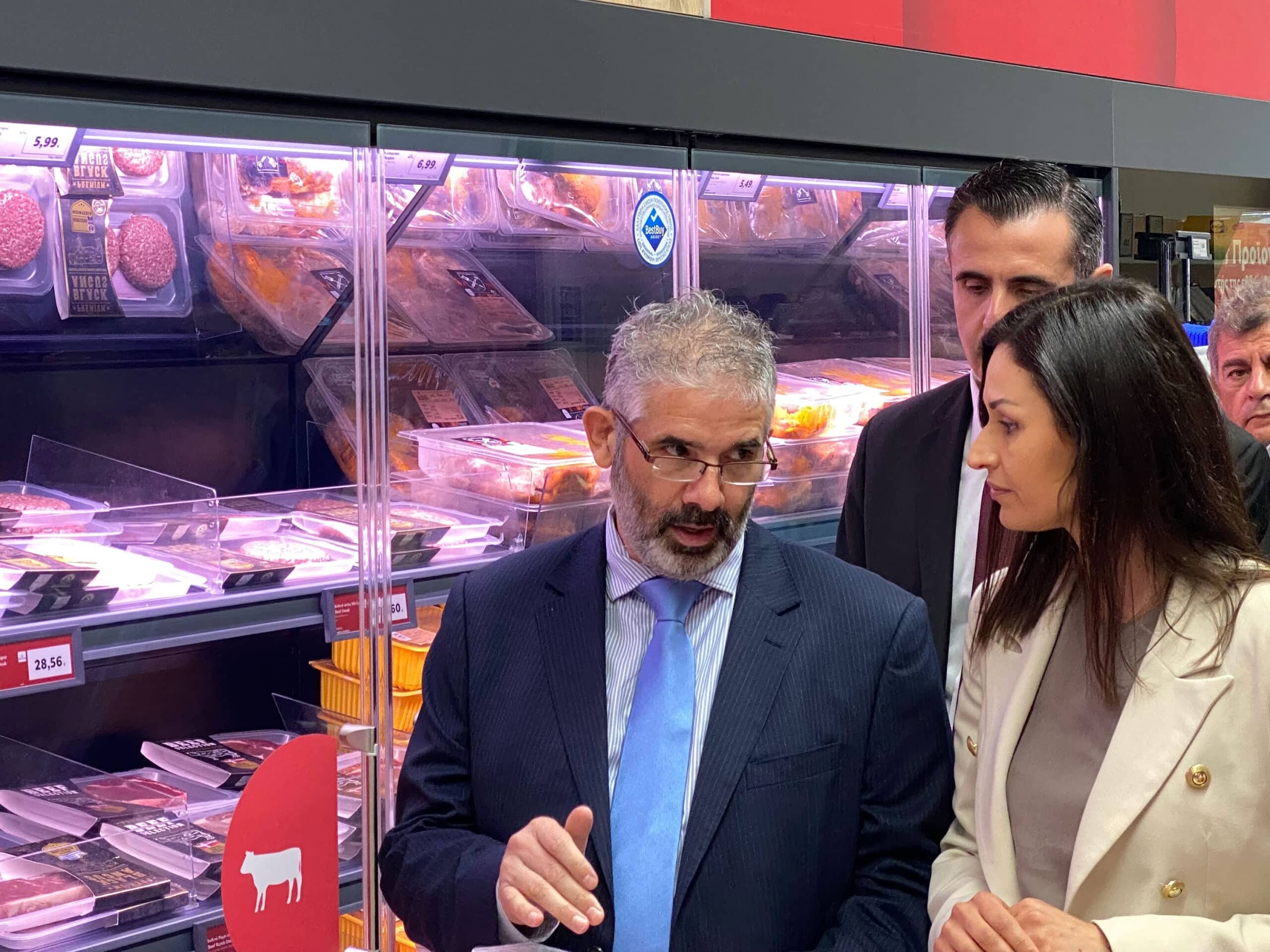
In a surprising turn of events ahead of the Easter celebrations, authorities have confiscated approximately 800 kg of meat products from the market. Agriculture Minister Maria Panayiotou clarified that the impoundment was not due to health concerns but was primarily a result of labeling issues. The minister emphasized that the seizures were part of routine checks and were aimed at curbing illegitimate market practices within the entire production chain.
While meat products faced scrutiny, Panayiotou noted that fruits and vegetables passed inspections without any hitches. Addressing concerns about potential shortages of lamb and kids, traditional Easter fare in Cyprus, she assured that there are adequate supplies available in the market.
Regarding meat prices, the minister reported a mixed picture. Some products have seen a decrease in supermarkets, which she attributed to the government’s efforts to alleviate the high cost of living, including the implementation of zero VAT on meat and vegetables. “The most important thing for us [the government] is to ensure that consumers have options,” Panayiotou stated.
However, the head of the butchers association, Costas Livadiotis, presented a contrasting view when speaking to the Cyprus Mail. He confirmed that meat prices are indeed on the rise compared to the previous year. Livadiotis detailed that lamb and kid meat prices have increased by 10 percent, pork by about 2 percent, while chicken prices have seen a decrease of 3 to 4 percent. “And this is without VAT,” he remarked, highlighting the impact of tax on consumer costs.
Livadiotis also commented on the meat seizures, suggesting that the impounded meat likely originated from unlicensed farming units. He downplayed the significance of the seized quantity, pointing out that during Easter, meat consumption typically reaches a staggering 800,000 kg with some 40,000 animals being slaughtered for the holiday.