Hyundai Motor Group’s Strategic Shift Towards Hybrid Cars in India
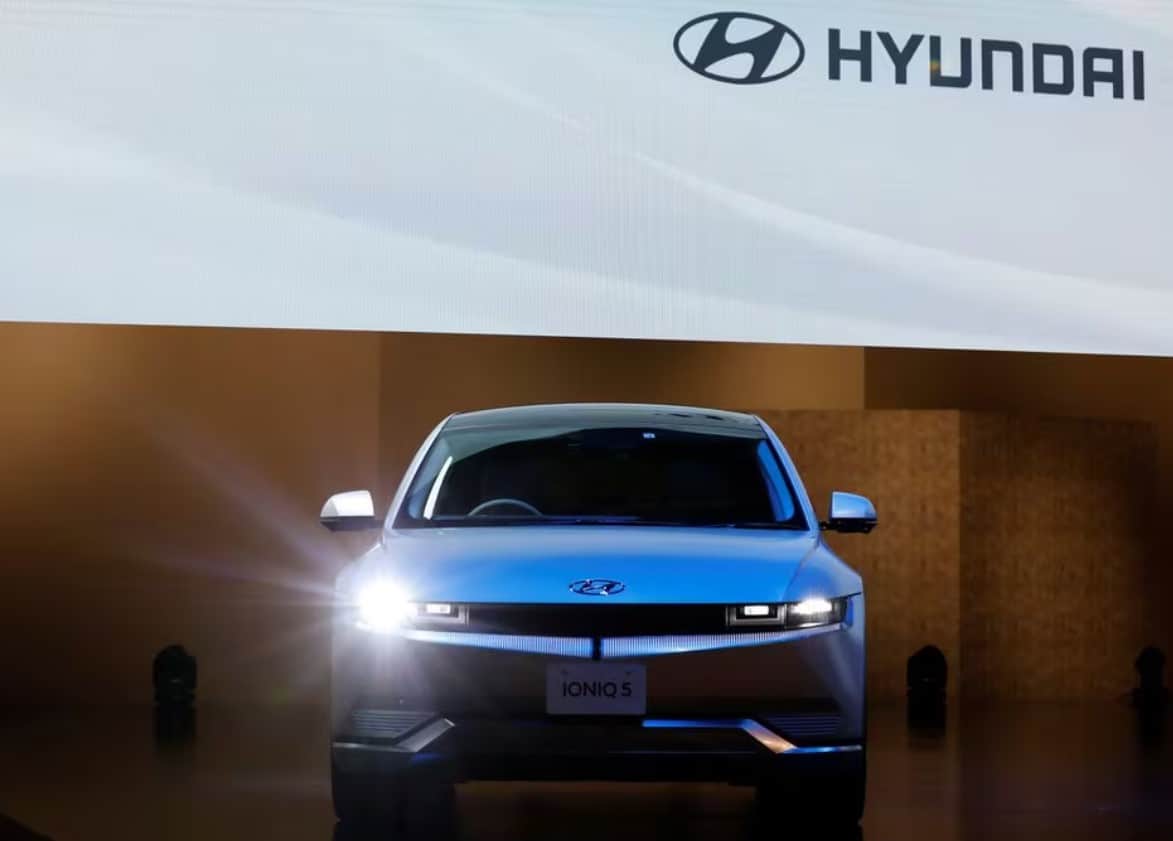
In a significant move that underscores the growing importance of the Indian automotive market, Hyundai Motor Group has announced plans to introduce its first hybrid cars in India by 2026. This decision marks a strategic pivot for the South Korean conglomerate, which includes prominent manufacturers Hyundai Motor and Kia Corp, as it seeks to expand its footprint in one of the world’s most populous nations.
The group is currently evaluating a hybrid SUV model comparable in size to the popular Creta SUV, a top seller in the Indian market. Insiders with direct knowledge of the matter have indicated that both Hyundai and Kia are aiming for a 2026 or 2027 launch date for their hybrid SUVs. This move comes alongside their ongoing electric vehicle (EV) initiatives, which remain on course.
Hyundai’s commitment to electrified mobility was reaffirmed in a recent statement, emphasizing the company’s intent to tailor product strategies to individual markets. This shift towards hybrids, which combine a traditional gasoline engine with an electric motor, is a response to the increasing demand for such technology in India. It represents a departure from Hyundai’s initial focus on purely battery-driven EVs.
Despite the challenges posed by India’s nascent EV infrastructure, Hyundai and Kia are working diligently to introduce India-manufactured EVs by 2025. However, until EV adoption accelerates, Hyundai is keen to establish a strong presence in India’s hybrid car segment, leveraging its global expertise in hybrid technology.
Competition in the hybrid market is currently led by Japanese manufacturers like Toyota Motor, which dominates the segment. Analyst Shin Yoon-chul from Kiwoom Securities points out that Hyundai and Kia’s experience with hybrids positions them well to capture market share in India.
The allure of hybrid vehicles has been growing in India, particularly since Toyota launched its mass-market hybrid SUV in 2022. Hybrids offer an attractive proposition—lower costs than EVs and fuel savings without the need for frequent charging. Despite higher taxes on hybrids compared to EVs, their popularity has surged, accounting for roughly 2% of total car sales in 2023.
While tax rates on hybrids remain a contentious issue among carmakers, Hyundai is pressing forward with its hybrid plans. The company’s strategy includes competing with Maruti Suzuki, which currently offers hybrid models through its partnership with Toyota and plans further launches with technology from Suzuki Motor.
India stands as Hyundai’s third-largest revenue source after the United States and South Korea. The company’s increased investment in India, including a planned $3-billion IPO, reflects its commitment to the market as it scales back operations in China and Russia.