Breaking Through Motorsport Barriers
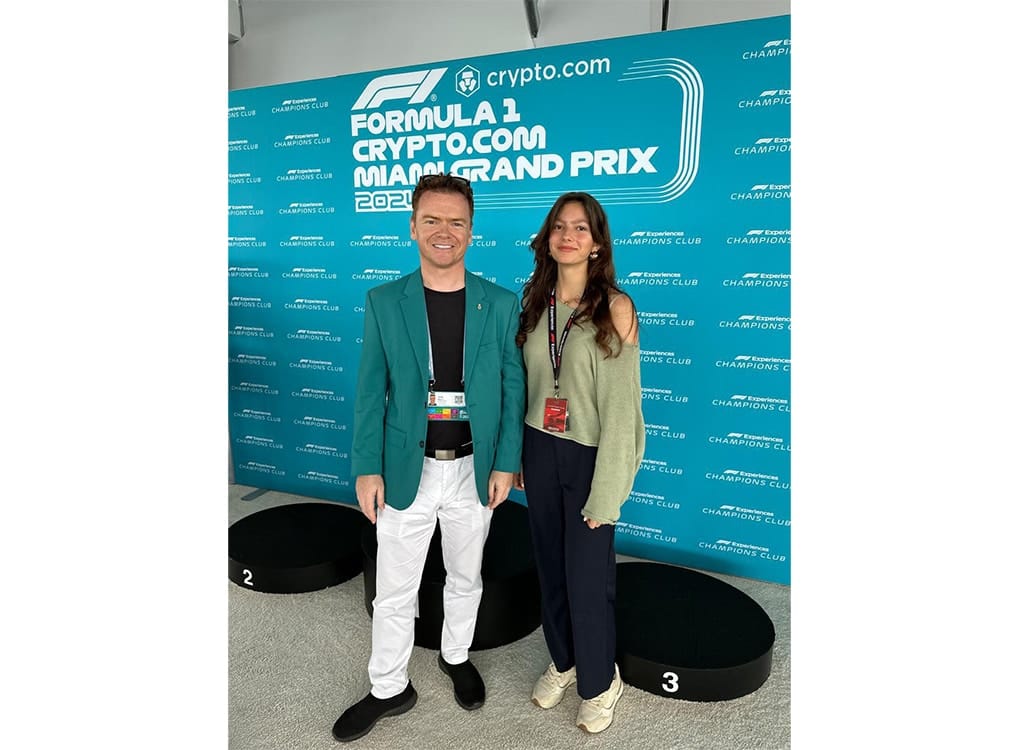
At the sun-drenched Miami Grand Prix, conversations aren’t just about lap times and podium finishes. Sean Kelly, a seasoned Formula 1 statistician, shared his insights with the Cyprus Mail on the motorsport barriers that aspiring talents face, particularly from countries like Cyprus and Greece. With over two decades of experience in motorsport, Kelly’s knowledge is a treasure trove for leading TV channels during live F1 broadcasts.
The financial aspect of motorsport is one of the most formidable barriers to entry. Kelly points out that unlike other global sports, motorsport allows for entry at the highest levels through significant financial investment. This creates a daunting challenge for talented drivers without the necessary resources. “If you’ve got two million euros a season to spend, you’ll get there,” Kelly states, emphasizing the importance of financial backing in a driver’s journey to Formula 1.
However, it’s not just about the money. Kelly also highlights the cultural obstacles drivers from non-English speaking countries encounter. He cites Zhou Guanyu’s story, a driver who had to overcome a substantial cultural shift and language barrier to succeed in his F1 career. These challenges, according to Kelly, can fortify a driver’s mental resilience.
Despite these hurdles, Kelly remains optimistic about the potential for success. He draws parallels with smaller nations that have produced celebrated drivers, such as Max Verstappen from the Netherlands. The key for an
Kelly believes in a shared responsibility between individual federations, nations, and the FIA to support emerging talents from under-represented nations. National federations, governments, and sponsors can play a critical role in supporting aspiring drivers, making racing in Formula 1 a more attainable dream.
A proposed Mediterranean Grand Prix could significantly boost the sport’s profile in regions like Greece and Cyprus, potentially opening doors for local talents. While dependent on financial commitments from host countries, such an event could spark increased interest and investment in motorsport within these regions.
The journey to Formula 1 is undoubtedly challenging for drivers from less represented countries, but Kelly’s insights suggest that with talent, financial support, and strategic investment in infrastructure, these financial barriers can be overcome. The evolving global motorsport community holds onto the dream of a diverse and inclusive Formula 1 grid, offering hope to aspiring drivers worldwide, including those from Cyprus and Greece.