Insights into Bullying Among Cypriot Students
Recent findings from the World Health Organisation’s Health Behaviour in School-aged Children (HBSC) study, conducted in Cyprus by the Ministry of Education, have provided a comprehensive look into the prevalence of bullying behaviors among students in Cyprus. O inquérito incluiu respostas de 4818 estudantes com idades entre os 11, 13 e 15 anos, and was carried out between November 2021 and April 2022.
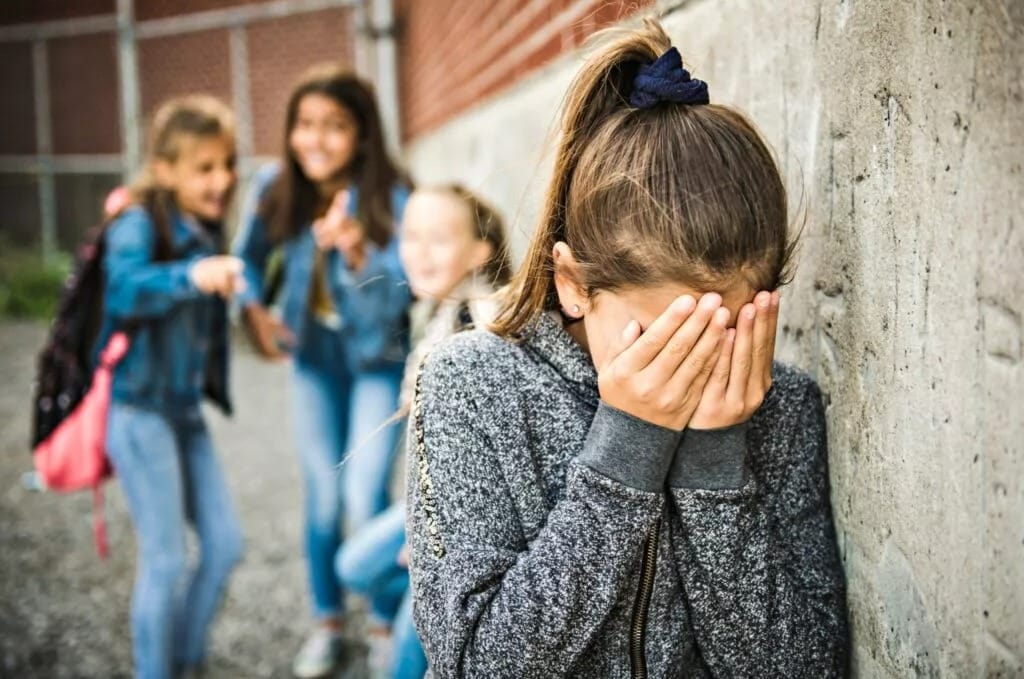
The study meticulously analysed three aspects of bullying: bullying at school, cyberbullying, and physical fighting. When it comes to bullying at school, there is a noticeable difference in the behavior of boys and girls. Boys reported higher rates of involvement than girls, with 4.3% of Cypriot students admitting to bullying others at school 2-3 times a month in recent months, compared to 6% internationally. Despite this, there were no significant gender differences in the rates of being bullied, with 7.8% of Cypriot students reporting victimisation at school at least 2-3 times a month.
Interestingly, the highest rates of victimisation were among 13-year-olds in Cyprus, which is contrary to the international trend where bullying decreases with age. Additionally, girls from high socio-economic backgrounds in Cyprus experienced higher rates of victimisation compared to those from lower socio-economic backgrounds, a contrast to the international data.
In the realm of cyberbullying,
Victimisation from cyberbullying was reported by 14.4% of Cypriot students, with no significant gender difference observed. This contrasts with several countries where girls reported higher rates than boys.
Lastly, the study revealed that involvement in physical fights was reported by 10.6% of Cypriot students, with a higher rate among boys (14%) compared to girls (6%). These rates decreased with age and showed no correlation with socio-economic status within Cyprus.
The HBSC study’s findings are crucial for understanding the dynamics of bullying among Cypriot youth and for developing targeted interventions to address these issues.