Debate Heats Up Over Pennsylvania’s Surplus and Tax Cut Proposals
In a significant move by Republican lawmakers, a $3 billion tax cut proposal has been set in motion, marking a stark contrast to Democratic Governor Josh Shapiro’s budget plan. The legislative push comes as Pennsylvania grapples with the best use of a substantial surplus in the state treasury.
The Republican-led Senate passed the tax legislation with a vote of 36-14, signaling a clear preference for tax relief over increased spending. This move could lead to the largest tax cuts in the state’s history, according to GOP members. The bill’s passage comes at a critical juncture, with the new fiscal year commencing on July 1.
Senate Majority Leader Joe Pittman emphasized the GOP’s intent to return the surplus to taxpayers, stating, “What we’re saying … is if you think there’s too much money in the savings account, then let’s bring it back to the taxpayer who put it there in the first place.” This sentiment underscores a broader Republican argument that reducing taxes will bolster household finances and energize Pennsylvania’s economy.
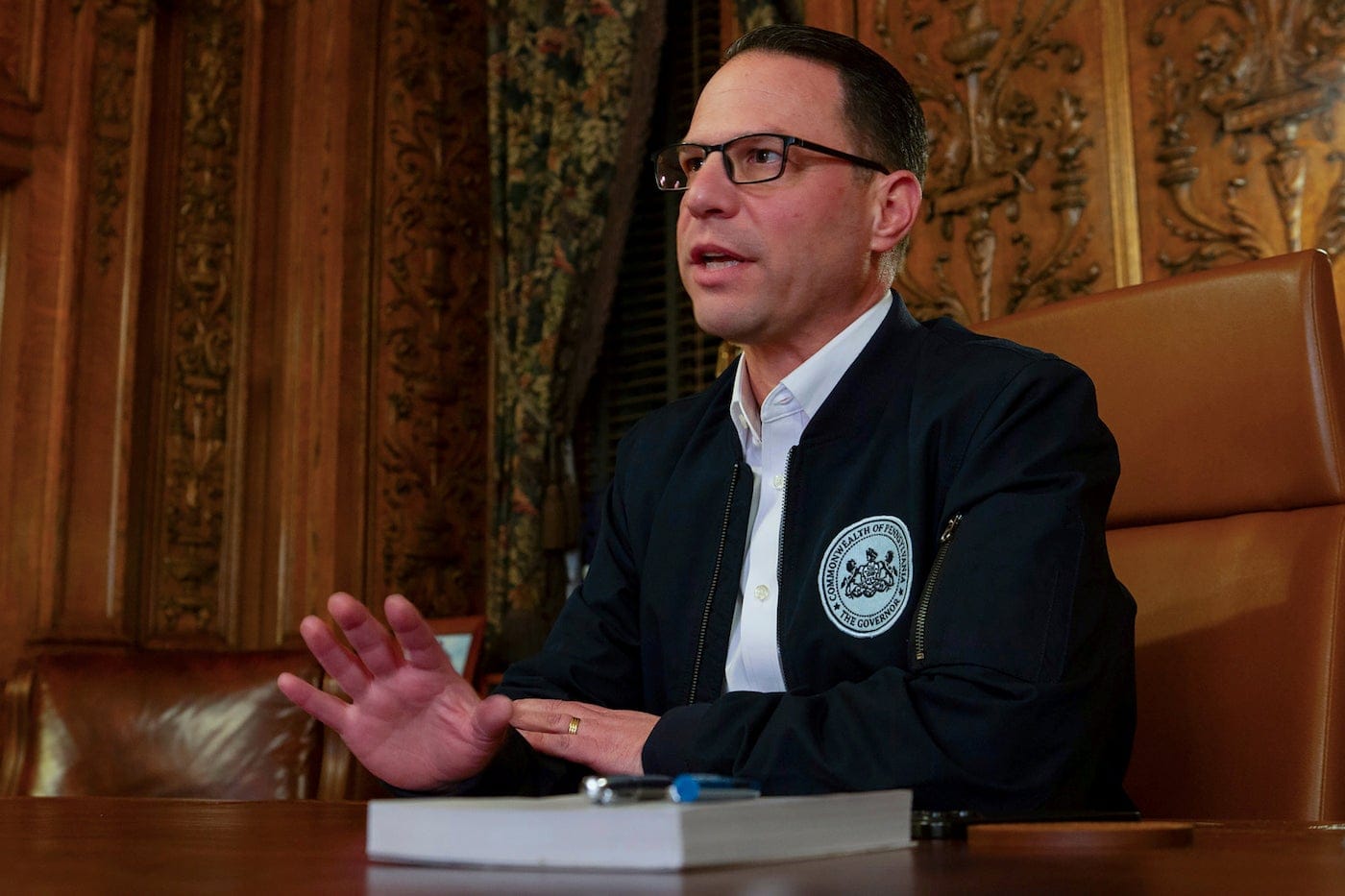
While Shapiro has not explicitly endorsed the tax cut proposal, his administration has acknowledged the need to deliberate on the future investment of the state’s $14 billion reserve. His budget proposal, unveiled earlier in February, seeks to inject an additional $3 billion into public services, including underfunded schools and public safety initiatives.
Democrats have voiced concerns over the tax bill’s rapid emergence and its failure to address public education funding, especially in light of a recent court decision highlighting inequities in Pennsylvania’s school financing. They argue that quality of life factors such as education and safety are crucial for attracting businesses and residents to the state.
The proposed tax legislation would lower personal income tax rates and eliminate a longstanding gross receipts tax on electric utilities. In contrast, Governor Shapiro’s budget envisions increased spending supported by the state’s reserves, aiming to bolster public services and stimulate economic growth.
Republicans caution that Shapiro’s spending strategy could deplete the surplus and potentially necessitate future tax increases. The debate continues as both parties vie for their vision of Pennsylvania’s fiscal future, with negotiations expected to intensify in the weeks ahead.