Petrobras Faces New Hurdle with Ibama’s Demand for Indigenous Impact Studies
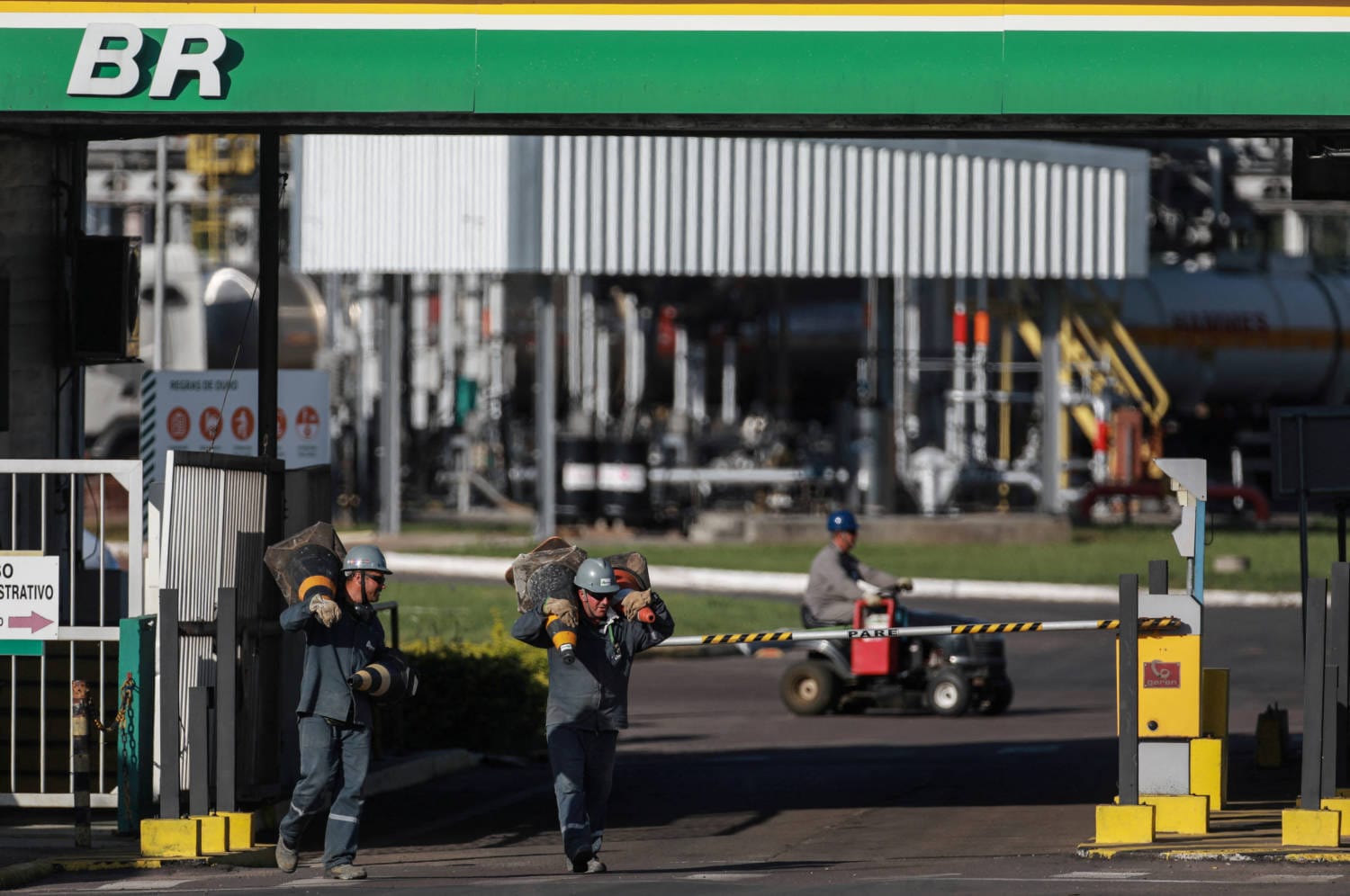
In a significant development, Ibama, Brazil’s environmental agency, has mandated that the oil giant Petrobras undertake comprehensive studies to evaluate the potential repercussions of its proposed offshore drilling activities on Indigenous communities in the Amazon vicinity. The focus of these studies is to understand the social, cultural, and environmental impacts that drilling in the Foz do Amazonas basin might have on these populations.
The request for additional research was communicated to Petrobras on April 17 through a series of documents, which Reuters had access to. This requirement introduces a new obstacle for Petrobras, which has been planning to drill an exploratory well approximately 175 kilometers off the coast of Amapá state. The company’s plans have met with growing opposition from local Indigenous leaders.
Petrobras has previously complied with all Ibama’s environmental licensing demands and has expressed willingness to integrate any new requirements deemed necessary. Despite the company’s assertion that the drilling would not directly affect Indigenous communities, Ibama and local Indigenous groups have raised concerns about the potential impacts.
While Petrobras CEO Jean Paul Prates anticipates drilling to commence within the year, the additional studies requested by Ibama are expected to extend the timeline by at least six months, as per an individual familiar with Brazil’s Indigenous affairs agency Funai.
The exploration of the Foz do Amazonas basin is considered a high-potential venture for oil discovery, sharing geological similarities with the coast of Guyana where Exxon has made significant finds. However, Ibama had previously denied a drilling license to Petrobras due to concerns over Indigenous group impacts and the delicate coastal ecosystem. Following an appeal by Petrobras, Ibama has been deliberating on a decision, which now hinges on the completion of the newly requested studies.
Funai’s involvement has been crucial in outlining the scope of the studies needed to assess how drilling could affect Indigenous communities and their way of life. The agency has emphasized that these studies are essential for conducting a “Viability Analysis” to determine if the project can proceed without causing harm and to develop strategies for mitigating any potential negative effects.
The insistence on these studies by Ibama is seen as a triumph for the Council of Chieftains of the Indigenous People of Oiapoque (CCPIO), which represents around 8,000 Indigenous individuals in the region. The CCPIO has been actively voicing concerns over Petrobras’s regional activities since 2022 and has sought a formal consultation process to express their stance on the project.
Cacique Edmilson Oliveira of CCPIO hailed the regulatory decision as a victory, expressing that it will allow Indigenous communities to gain a clearer understanding of the project’s implications. He stressed that Petrobras must recognize the potential risks to coastal Indigenous territories posed by offshore drilling endeavors.