Chinese Cities Hangzhou and Xian Scrap Home Purchase Restrictions
In a bold move to invigorate the local housing markets, Hangzhou and Xian, two provincial capitals in China, have announced the elimination of all home purchase restrictions. This decision, effective from May 9, comes as a response to the lingering effects of the pandemic and stringent borrowing rules that have led to a downturn in the real estate sector.
The housing authorities in these cities have removed checks on buyer eligibility, which were initially designed to curb speculative buying and restrict non-residents and non-local taxpayers from purchasing homes. This change marks a significant shift from policies that have been in place since
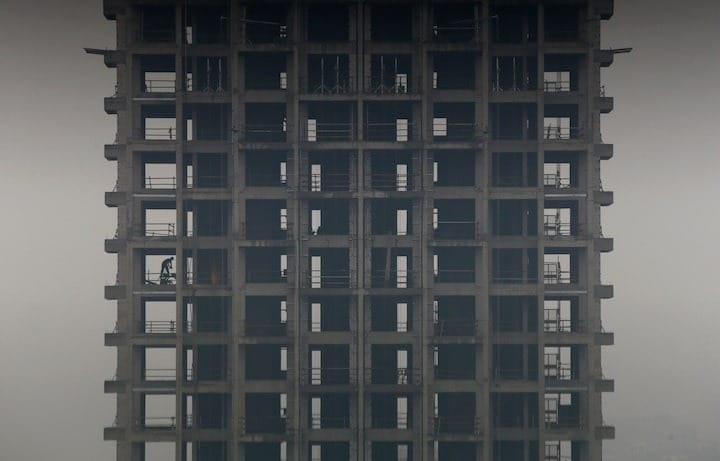
With the real estate industry once contributing to a quarter of China’s GDP, the recent years have seen a cooling off, particularly in sought-after locations like Hangzhou. The capital of Zhejiang province has experienced its slowest growth in new home prices in nearly six years, while Xian has seen a drastic drop in new home sales, signaling a pressing need for policy intervention.
Authorities are now intensifying efforts to stabilize the market, with Hangzhou leading the charge by completely lifting purchase restrictions following a directive from Communist Party leaders to support the property sector. This move is anticipated to set a precedent for other cities grappling with similar challenges.
Hangzhou, known as China’s Silicon Valley and host to tech giants like Alibaba and NetEase, could see a significant impact from these changes. Analysts predict that this policy relaxation will encourage other cities to follow suit, potentially leading to a large-scale easing of restrictions.
However, initial reactions from industry experts suggest that simply lifting purchase limits may not be enough to rekindle demand. With an oversupply of housing stock pressuring prices, buyers remain hesitant. The sentiment is echoed by analysts who believe that only a substantial price correction will restore buyer confidence and equilibrium in the market.
Despite these changes, major cities like Beijing, Shanghai, Guangzhou, and Shenzhen are expected to maintain their purchase restrictions for the time being. Yet, as cities compete to attract potential buyers by easing restrictions, the impact on different segments of the market, including second-hand homes, will be closely monitored.
The recent May Day holiday saw a significant slump in home sales, further illustrating the challenges faced by China’s real estate market. As cities like Hangzhou and Xian take steps towards recovery, all eyes will be on the effectiveness of these policy shifts in reviving a once-thriving sector.