The Expanding Cost of Tax Cuts
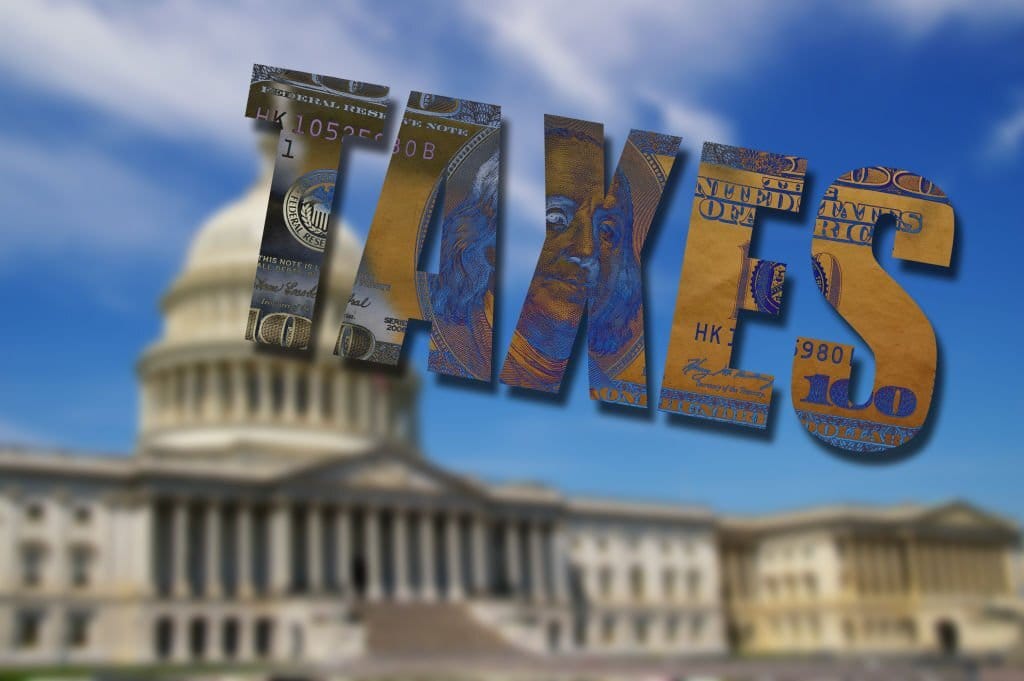
The Congressional Budget Office (CBO) has recently updated the cost of extending the 2017 tax cuts, with figures reaching a staggering $4.6 trillion. These tax cuts, which were a hallmark of President Donald Trump’s administration, are set to expire by the end of 2025, putting lawmakers in a position to address not only their extension but also the deficit impact of such a decision.
The breakdown of these costs reveals that extending personal income tax cuts alone would account for $3.8 trillion. This is alongside other expiring provisions, such as estate tax restrictions and small business write-offs. The debate over these tax cuts is expected to intensify in Washington, especially as the CBO’s Director Phillip Swagel highlights the “daunting” fiscal outlook facing the United States.
With the former president rallying support for his potential return to office and suggesting significant financial benefits for supporters through continued tax cuts, the political landscape is charged with decisions that could shape the nation’s economic trajectory. The CBO’s estimate, which has more than doubled from the original cost of the Trump tax cuts, suggests that lawmakers may need to find ways to mitigate the deficit impact, potentially through spending reductions or adjustments to the tax rate cuts.
President Joe Biden has proposed new tax hikes targeting businesses and high-earners, while Trump has committed to renewing the tax cuts without providing a detailed plan. The looming expiration includes not only individual tax rate reductions but also an expansion of the child tax credit, which last year was estimated to cost $3.5 trillion to renew.
When it comes to economic growth, Swagel pointed out that personal income tax cuts do not stimulate the economy as significantly as permanent business tax reductions. The CBO has also raised its projection for this year’s budget deficit, with recent legislative actions contributing to a worsening deficit outlook.
Swagel emphasized the urgency for lawmakers to address deficits, warning that delaying action could result in more severe spending cuts or tax increases in the future. The CBO’s projections indicate rising deficits and public debt levels that could reach historic highs by 2034.
In addition to fiscal concerns, Swagel touched upon the economic effects of immigration, noting that an influx of foreign workers could boost GDP by approximately $7 trillion over the next decade. However, he also mentioned that immigration’s impact on inflation has been minimal thus far.
As Washington braces for heated discussions on the future of tax cuts and their implications for both the deficit and economic growth, stakeholders from all sectors are keeping a close eye on how these fiscal challenges will unfold.