Slovenian Government Moves Towards Recognition of Palestinian State
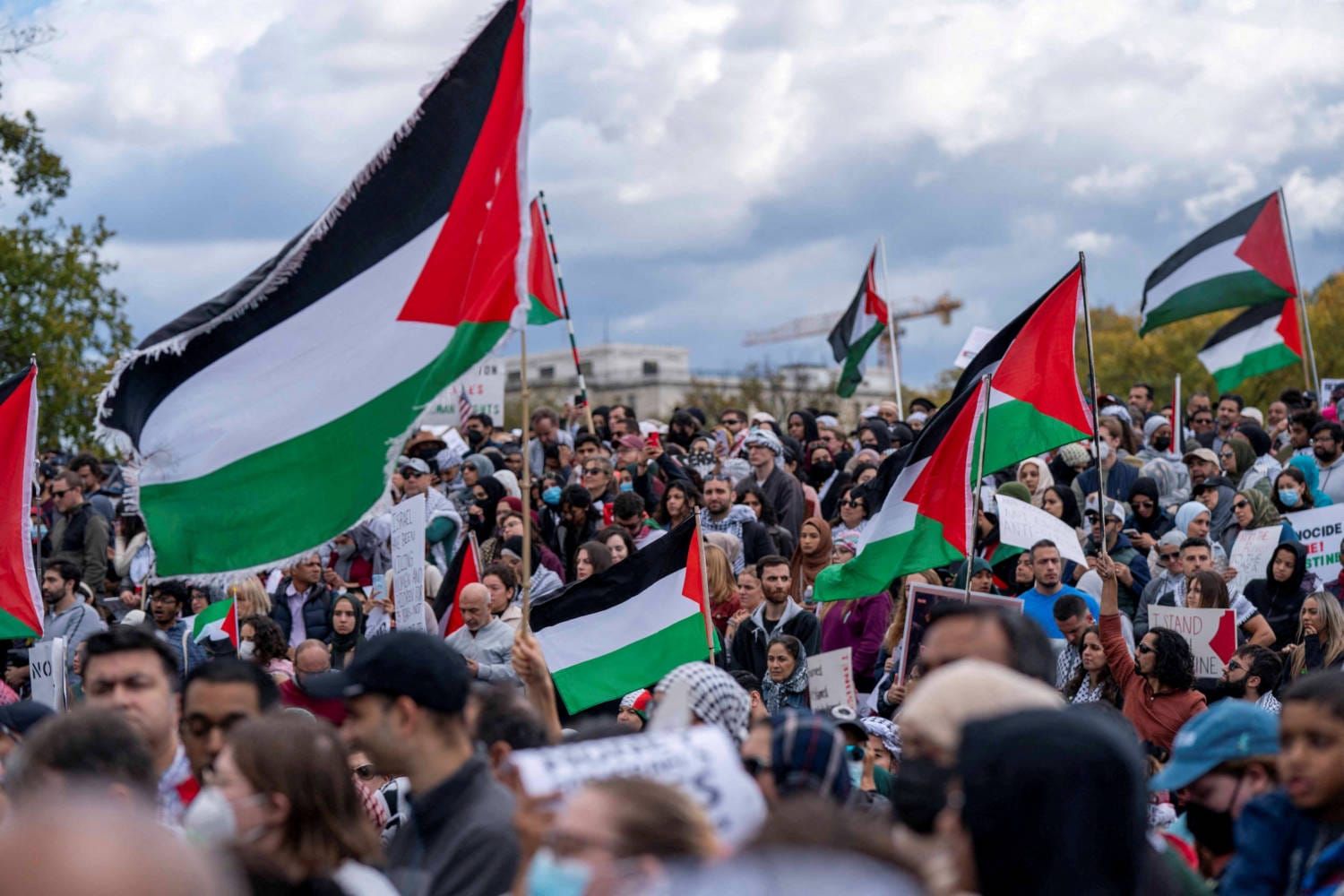
In a strategic effort to influence peace in the Middle East, the Slovenian government has taken a significant step by initiating the procedure for the recognition of a Palestinian state. Prime Minister Robert Golob, speaking on the government’s platform, emphasized the urgency to halt the violence in Gaza. “The horrors we see every day in Gaza are inadmissible and must stop,” Golob stated, urging Israel to cease its attacks and engage in negotiations.
This decision was made to encourage negotiations and speed up dialogue in the United Nations for a ceasefire and a two-state solution. Golob expressed his desire for Slovenia’s recognition to serve as a catalyst for more rapid progress in peace talks. The announcement aligns with actions from other European Union member states, including Ireland and Spain, which are also reportedly considering recognizing a Palestinian state on May 21, as per Ireland’s national broadcaster.
The timeline for Slovenia’s recognition is contingent upon the advancements in peace discussions, with a deadline set for June 13. However, should there be an acceleration in progress, Slovenia is prepared to expedite the recognition process. The Prime Minister outlined that the initiation of recognition procedures comes with expectations for all parties involved in the conflict, including advancements in peace talks, the release of hostages, and reforms within the Palestinian Authority.
The ruling coalition in Slovenia has shown unity in this decision, and Golob is hopeful that Slovenia’s recognition will motivate other nations to take similar steps. In March, Spain, Ireland, Malta, and Slovenia indicated their readiness to begin the process towards recognizing a Palestinian state, pending a United Nations General Assembly vote on May 10 that could grant Palestinians full U.N. membership eligibility.
Since 1988, a majority of U.N. member states have acknowledged Palestinian statehood. However, Israel has criticized the plan by the four countries as counterproductive, labeling it a “prize for terrorism” and arguing that it could diminish the prospects for a negotiated settlement to the Gaza conflict.