International Scrutiny Leads to Adjustments in Arms Exports to Israel
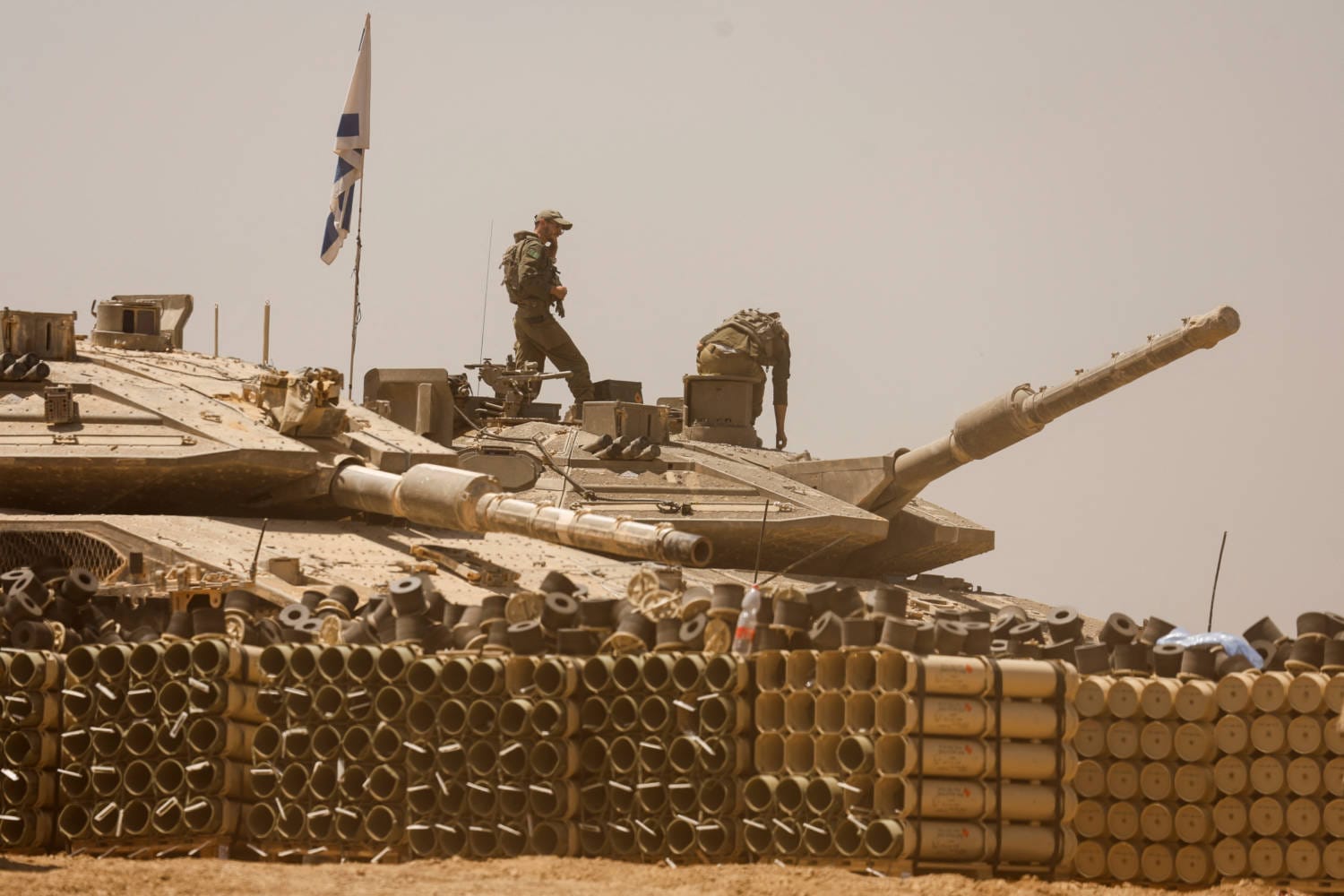
In a significant move, The United States suspended a shipment of heavy, bunker-busting bombs to Israel amid concerns over their use in densely populated areas such as Rafah. This decision reflects growing international scrutiny over the impact of military operations in urban settings, especially following the extensive casualties in Gaza.
Despite being the primary arms supplier to Israel, U.S. officials have expressed reservations about the potential consequences of using 2,000-pound bombs in civilian-rich environments. The halted delivery included a substantial arsenal, with 1,800 of these large bombs and an additional 1,700 500-pound bombs.
Meanwhile, Germany increased defense export approvals for Israel following an attack by Hamas, with a near tenfold rise in permits amounting to 326.5 million euros in 2023. However, this surge was met with international criticism, leading to a marked decrease in approved exports at the start of the new year.
On the other hand, Canada and the Netherlands have taken a firmer stance. Both countries have ceased arms supplies to Israel due to concerns that their use could contravene international humanitarian law. In particular, the Dutch government has stopped shipments of parts for F-35 jets, a ruling that is currently under appeal.
Italy, another major supplier, has also paused new export approvals since the onset of the Gaza conflict. Italian arms exports are subject to strict regulations that prohibit sales to nations at war or those violating human rights.
The UK’s approach differs slightly, as it does not directly supply arms but licenses companies to sell defense equipment, including components for U.S. F-35 jets. Despite calls from opposition parties to revoke these licenses due to the rising death toll in Gaza, Prime Minister Rishi Sunak has maintained that Britain’s export license policy remains unchanged after recent assessments.
This collective reevaluation by several nations underscores the complex interplay between international relations, military aid, and adherence to humanitarian principles in conflict zones.