Finance Minister Defends Carbon Tax and Economic Strategy
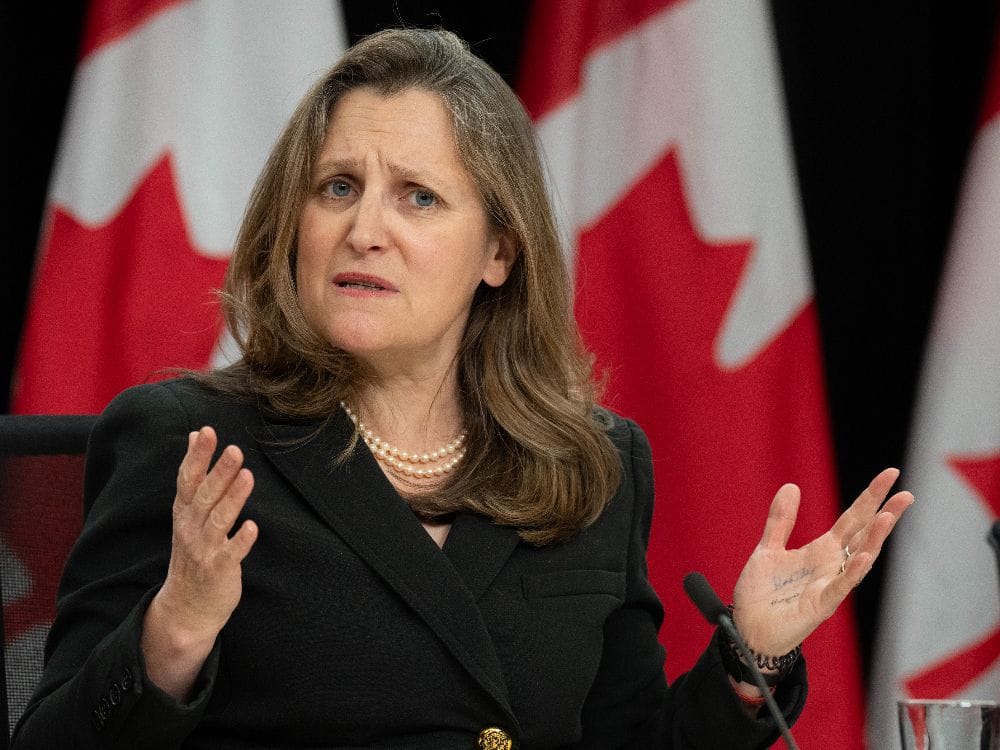
In a recent session at the House of Commons Finance committee, Finance Minister Chrystia Freeland stood firm on the government’s budgetary decisions, particularly in defense of the carbon tax and the overall economic performance of the Liberal government. The committee, which had been previously caught up in a filibuster by Conservative MPs seeking testimony from former Bank of Canada governor Mark Carney, shifted focus to Freeland’s testimony.
Amid speculation over potential leadership bids within the Liberal party, Freeland and Carney, who is also rumored to be considering a run for Liberal leader, have both expressed support for the current climate policies. Carney, having appeared at a Senate committee, emphasized the necessity of a credible alternative if the carbon tax were to be replaced.
Conservative MP Jasraj Singh Hallan challenged Freeland on whether she would maintain the carbon tax should she launch a campaign for leadership. Freeland highlighted the importance of rebates associated with the tax and reiterated the cabinet’s full support for Prime Minister Justin Trudeau. She also critiqued the line of questioning from Hallan as not being the best use of the parliamentary committee‘s time.
Freeland underscored the global demand for robust climate change policies, stating that Canada’s economic plan and ability to attract foreign investment hinge on having a strong and credible climate strategy. She also addressed questions from NDP MP Don Davies regarding corporate tax increases, noting that while the U.S. is considering such measures, Canada must remain thoughtful about its global competitiveness.
The Finance Minister commended the international agreement on setting a minimum corporate tax rate, which aims to prevent a “race to the bottom” in corporate taxation. This agreement sets a floor of 15 percent for corporate taxes across participating countries.
As discussions continue on Canada’s fiscal strategies and environmental policies, Freeland’s defense of the carbon tax and economic approach remains a point of contention among political parties and a topic of interest for businesses and investors nationwide.