Parliament Rejects President’s Proposal on Police Appointments
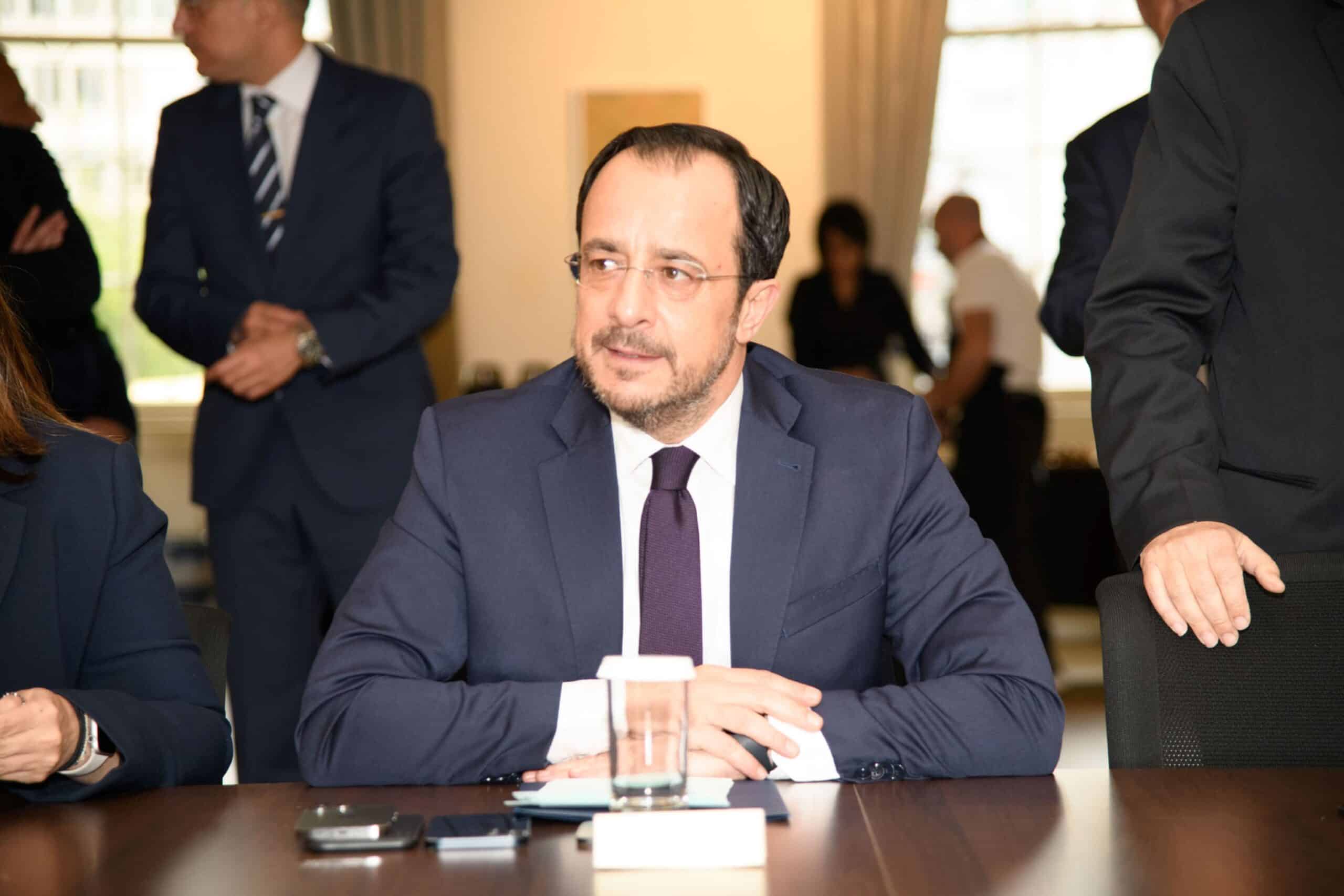
In a significant move, the Parliament has unanimously turned down a law proposed by President Nikos Christodoulides that would have granted the police chief sweeping powers to appoint and promote specialist staff without considering their qualifications. The controversial proposal was met with resistance as it sought to enable unilateral decisions by the police chief, bypassing established qualification criteria.
The revised legislation now stipulates that while the police chief can appoint specialist staff, such appointments are subject to certain conditions and must receive the nod from the justice minister. This change aims to maintain a balance between the executive’s authority and the need for a checks and balances system.
President Christodoulides had previously returned the legislation to Parliament, criticizing the initial amendments as unconstitutional and disruptive to the legal framework governing law enforcement appointments. The government’s stance is that the Parliament’s version infringes upon Article 80 of the constitution, which restricts MPs from introducing legislation that increases budgetary expenditure.
Christodoulides’ concerns highlight the potential budgetary implications of the appointment process outlined by Parliament, which he views as a constitutional breach. Furthermore, he contends that Parliament’s legislation encroaches on the executive branch’s prerogative to make police force appointments.
However, independent MP Kostis Efstathiou expressed skepticism regarding the President’s version of the law, arguing that it fails to uphold the principle of equality by placing individuals with vastly different qualifications on an equal footing. Efstathiou also defended Parliament’s legislative role, likening the restriction of such powers to colonial times and asserting that in a democracy, Parliament cannot be stripped of its right to legislate on all matters.
The House legal committee had already dismissed Christodoulides’ proposal earlier in the week, with Efstathiou warning that accepting the President’s stance could endanger democracy itself. The rejection signifies a commitment to maintaining a democratic balance between legislative authority and executive power in matters of public service appointments.