Progress in Dutch Coalition Formation
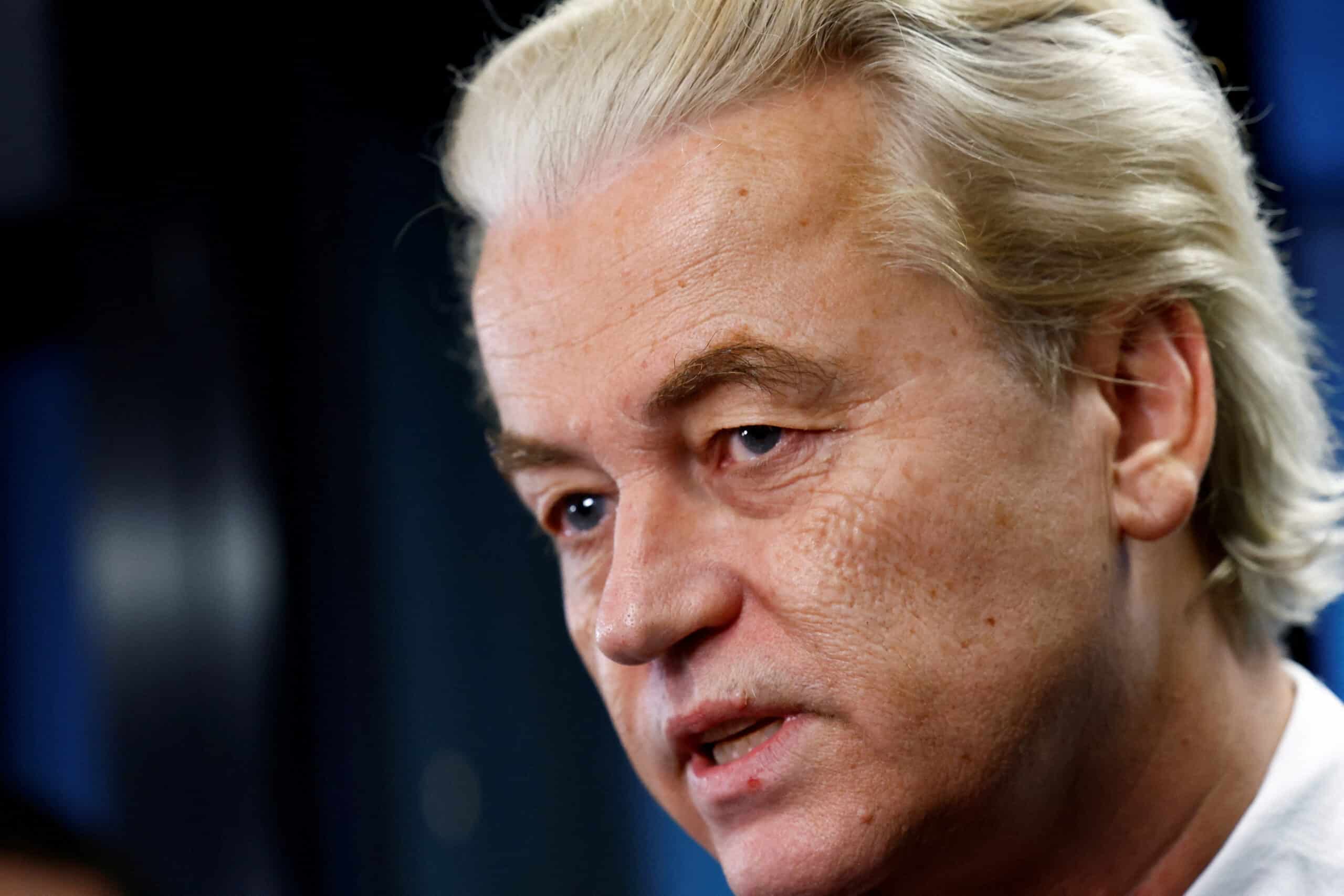
In the Netherlands, the political landscape has been marked by tense talks as parties navigate the complexities of forming a new government. Geert Wilders, the leader of the Dutch nationalist party, has indicated that his party is on the brink of sealing a deal with other right-wing partners. This development comes nearly half a year after Wilders’ surprising electoral triumph.
The negotiations have been particularly challenging due to disagreements on key issues such as migration policies and the management of government finances. However, following a grueling 16-hour discussion that stretched into the early hours, Wilders emerged optimistic. “I can’t see this fail,” he stated, signaling that an agreement on government finances had been reached.
The prospective right-wing government would be a coalition of Wilders’ anti-Muslim populist Party for Freedom (PVV), outgoing Prime Minister Mark Rutte’s center-right VVD, the centrist NSC, and the farmers’ protest party BBB. This alliance would command a majority in the Lower House, holding 88 of the 150 seats.
While specifics of the coalition agreement remain under wraps, Wilders has been vocal about his condition for joining any government: a significant reduction in asylum migration. The marathon session on Tuesday left other party leaders also hinting at an imminent deal, though questions linger around the prime ministerial candidate. Wilders, who renounced his claim to the role in March, is anticipated to announce his nominee soon, with the other three party leaders expected to continue serving in parliament.
As the deadline for talks looms, negotiators are scheduled to reconvene to finalize the deal and present it to their respective factions for approval. The formation of a government coalition in the Netherlands is closely watched, as it could result in the most right-leaning administration the country has seen in recent times.