Cyprus Spearheads Talks on Migration and Syrian Safe Zones
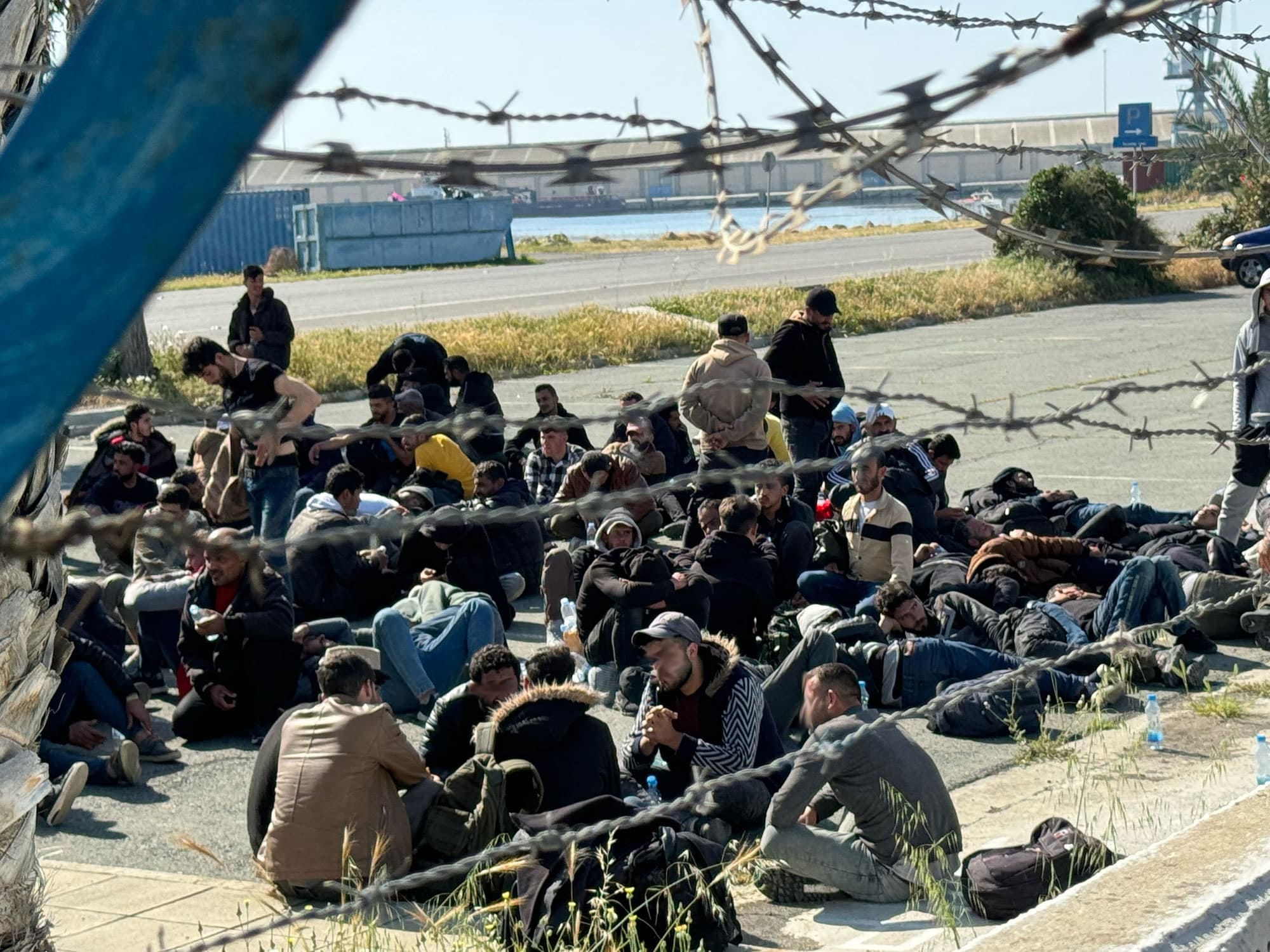
In a pivotal move, Cyprus is set to lead a significant international discussion this Friday, focusing on migration issues and the prospect of designating parts of Syria as safe for the return of migrants. The conference will gather interior ministers and officials from a host of European nations, including Greece, the Czech Republic, Austria, Poland, Denmark, Italy, and Malta.
The Cypriot interior ministry highlighted the summit’s goal to explore practical measures to tackle the pressing challenges posed by immigration. A key topic on the agenda will be the support for third countries neighboring the EU that play a crucial role in curbing migrant flows.
Interior Minister Constantinos Ioannou is expected to advocate for increased EU aid to Lebanon, mirroring the support extended to Egypt and Tunisia. This comes in light of Lebanon’s struggles with a substantial Syrian refugee population amidst its own socio-economic and political turmoil.
During the summit, there will also be a review of the Cypriot initiative to reassess the safety of areas within Syria. Despite the lack of absolute stability in Syria, the changing on-ground realities necessitate a fresh evaluation. Any potential plans for repatriation will involve close collaboration with the United Nations High Commissioner for Refugees and adhere to stringent security conditions that respect European and international law.
The Cypriot government’s stance is backed by assessments from the European Union Agency for Asylum (EUAA), which has recently downgraded the risk levels in Damascus and Tartus. However, logistical challenges remain, particularly concerning safe passage through regions still experiencing violence.
Despite these challenges, Cyprus has garnered support from several European counterparts. Interior Minister Ioannou’s recent European tour has bolstered backing for the initiative, with agreements reached to conduct joint fact-finding missions to Syria.
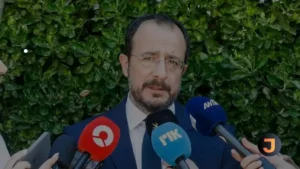
While not all EU member states are aligned with this approach, Cyprus remains steadfast. President Nikos Christodoulides has emphasized the country’s limits in accommodating Syrian refugees and insists on recognizing certain Syrian regions as safe zones.
The outcomes of Friday’s meeting could signal a significant shift in European migration policy and the handling of Syrian refugee returns, marking a critical juncture for Cyprus’ role in shaping EU strategies.