Inspection is Key in Used Farm Machinery Acquisition
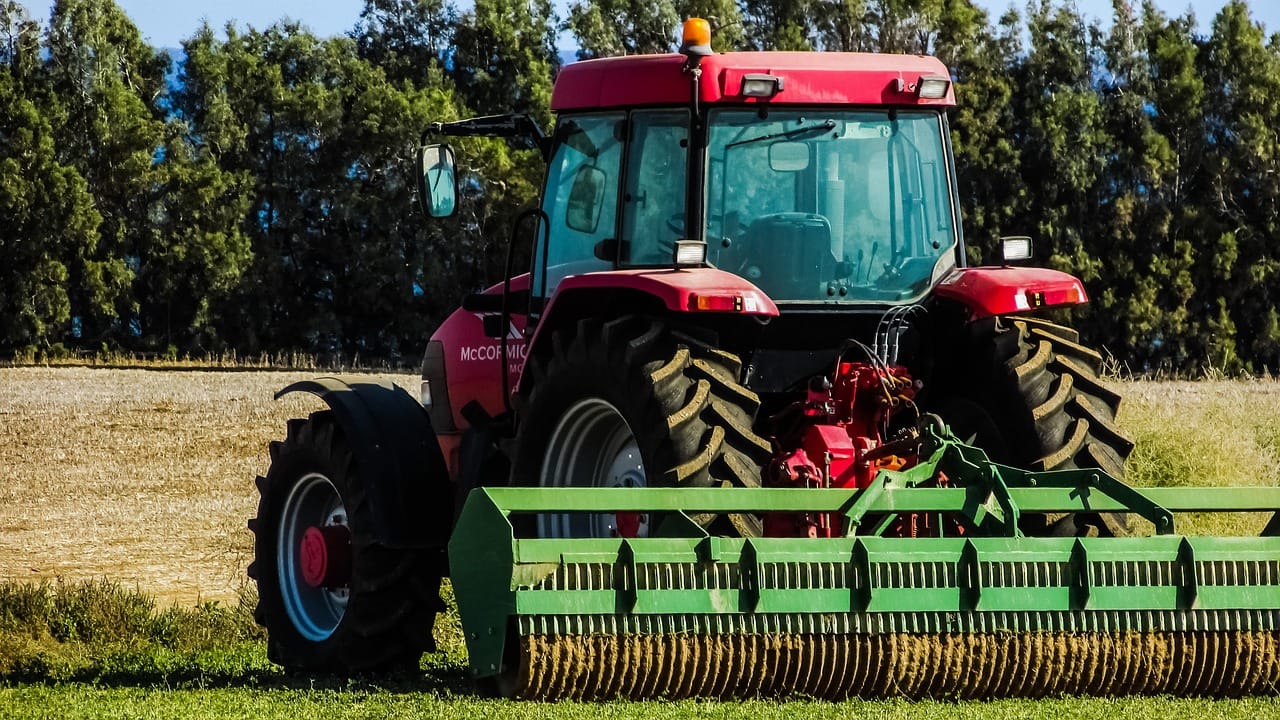
For those in the agricultural sector, used farm machinery presents an opportunity to upgrade operations economically. The key to a successful investment lies in a meticulous inspection process. Each piece of equipment, be it a tractor or a baler, requires a detailed evaluation to determine its condition and potential lifespan within your farming projects.
When inspecting used farm machinery, it’s imperative to assess both the mechanical components and structural integrity. Signs of wear such as rust, cracks, and previous repairs can signal future failures or expensive maintenance. Understanding the equipment’s maintenance history provides insight into its care and can influence its valuation.
The functionality of moving parts, including the engine, hydraulics, and electrical systems, is essential for efficient operation. A thorough inspection should leave no stone unturned, ensuring that the machinery is up to the task for which it is intended.
Evaluating the Seller Reputation and Warranties
When purchasing used farm machinery, evaluating the seller reputation is as crucial as inspecting the equipment. Researching the seller’s history and customer feedback on platforms like the Better Business Bureau or Trustpilot can provide valuable insights. Membership in professional associations suggests adherence to industry standards, adding a layer of trust to the transaction.
Understanding the warranties offered by the seller is also vital. A clear warranty policy that covers parts or labor indicates confidence in the equipment’s quality. Engage with the seller about the warranty’s scope and claims process to avoid any misunderstandings later on.
Inspecting the Machine
A visual inspection should kick off the evaluation process, looking for damage or excessive wear that could compromise the machine’s integrity. Mechanical checks should follow, with attention to leaks, noises, and fluid conditions. Testing the machinery in action is the final step, ensuring all functions perform correctly and efficiently under working conditions.
Assessing Value and Costs
Accurately assessing value and costs is paramount when investing in used farm machinery. Researching market value and estimating potential repair and maintenance costs will help you budget effectively. Consulting with a mechanic for a professional assessment can provide a clearer picture of future expenses.
Finalizing the Purchase
Negotiating a fair deal involves clear communication and an understanding of your budget and needs. When finalizing the purchase, ensure all legal and financial paperwork is in order. This includes a bill of sale, warranty documents, and service histories. Confirm ownership and check for any liens against the equipment before completing the transaction.
In conclusion, purchasing used farm machinery can be a sound investment if approached with diligence. A thorough inspection, understanding of seller reputation, and careful assessment of value and costs will guide you in making an informed decision that benefits your agricultural endeavors.