Legal Battle Heats Up Between Auditor-General and Attorney-General
In a high-stakes legal confrontation, the opposition proceedings initiated by auditor-general Odysseas Michaelides against attorney-general George Savvides have taken a dramatic turn. The document, a substantial 72-page argument crafted by Michaelides’ legal team, challenges the grounds of the application made by the AG to the constitutional council and questions the AG’s authority in seeking the dismissal of an independent state official.
The opposition is not just rooted in legal jargon but also plays on the emotional strings, as Michaelides’ lawyers aim to sway public opinion. They have invoked the auditor-general’s popularity, citing public praise from the president and favorable opinion polls as part of their strategy. This move suggests an attempt to turn the legal battle into a contest of public favor, where the court of public opinion could weigh heavily on the outcome.
Amidst this legal tussle, a demonstration was held by supporters of the auditor-general, signaling a clear message of defiance against any attempts to silence Michaelides. The gathering outside the presidential palace may not have drawn massive crowds, but it served as a symbolic act of pressure on the political leadership to align with the auditor-general.
The opposition proceedings further allege that there exists a personal vendetta against Michaelides, pointing to his previous actions of reporting deputy AG Savvas Angelides to the anti-corruption authority. The document also criticizes Savvides for allegedly seeking to project himself as the sole bastion of legality, a claim that Michaelides’ lawyers ironically suggest mirrors their client’s own stance.
In a related development, questions have been raised regarding the head of the anti-corruption authority, Haris Poyadjis, and his sudden demand for criminal charges against a drug squad chief. This move has been perceived as potentially linked to the ongoing clash between Odysseas and Savvides, adding another layer of complexity to the dispute.
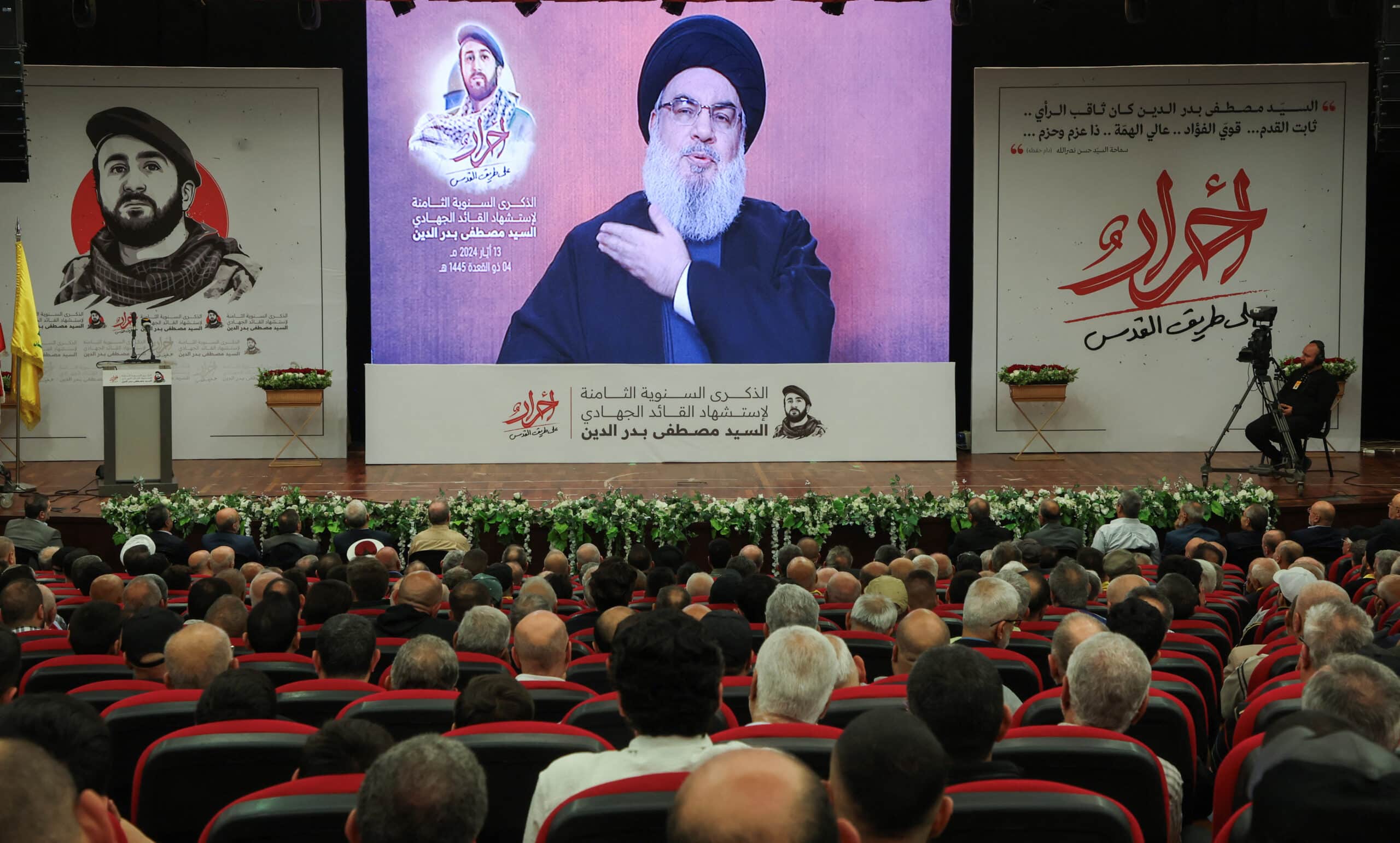
Meanwhile, external pressures loom as regional stability is threatened by potential refugee influxes prompted by calls from Hezbollah leader Hassan Nasrallah. The domestic scene is also rife with concerns over educational standards and municipal politics, highlighting a nation grappling with multifaceted challenges.
As this legal saga unfolds, it remains to be seen how these opposition proceedings will influence not only the careers of those directly involved but also the broader political and social landscape.