Empowering Workers Through Collective Action: IWW’s Mission in Cyprus
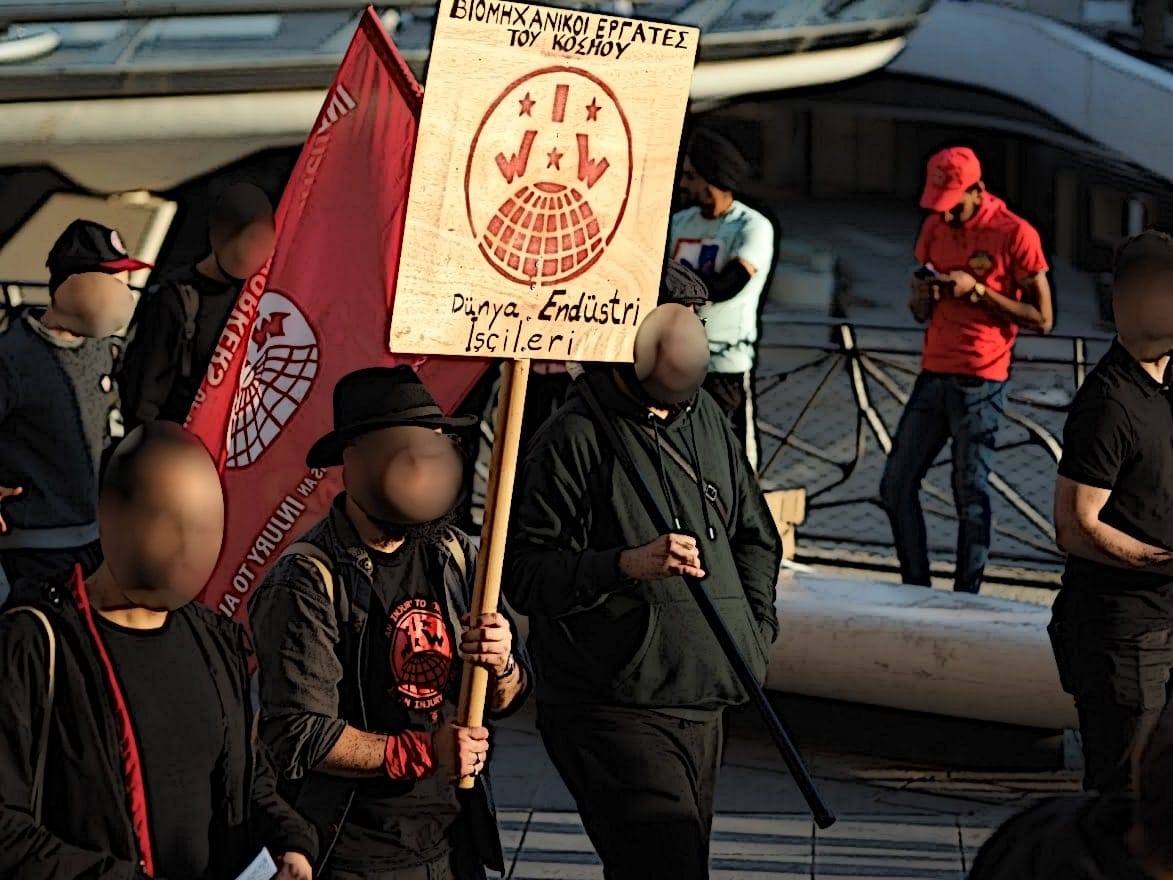
In the ever-evolving landscape of workers’ rights, the Industrial Workers of the World (IWW) has been a beacon of collective action and empowerment. The global labour union, established in 1905, has been active in Cyprus since 2020, with the goal of supporting local workers and challenging workplace inequalities.
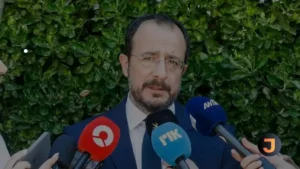
Alex P., Secretary and Treasurer of the Cyprus Regional Organising Committee of IWW, highlighted the union’s distinct approach in an interview with in-cyprus. Unlike traditional trade unions, the IWW welcomes those often excluded, such as minorities, migrants, members of the LGBTQA+ community, and even professions like sex workers. With its international presence, the IWW provides a support network for workers globally.
The IWW’s philosophy starkly contrasts with traditional unions, emphasizing the inherent conflict between workers and employers within the capitalist system. This perspective shapes their refusal to align closely with employers or government bodies, maintaining independence and advocating for systemic change.
Internally, the IWW operates on a horizontal structure, promoting democracy and member control. Monthly assemblies and yearly conventions ensure full participation rights for members, fostering transparency and accountability within the organization.
In Cyprus, the IWW’s approach to organizing encompasses all workers under a single big union, rather than being divided by profession or sector. This inclusive strategy echoes that of Isotita, a new trade union in Cyprus that organizes both public and private employees. However, the IWW maintains a critical stance on certain aspects of Isotita’s practices.
The IWW’s commitment to grassroots organizing extends to providing guidance on workplace organization, regardless of whether the goal is to form a new trade union or join an existing one. This support is crucial for workers facing management hostility or those undertaking undeclared work.
Recent strikes in Cyprus showcase the importance of direct action. Notable examples include Eurogate’s “work stoppages” in 2020 and the Wolt delivery drivers’ strike in December 2022. These actions demonstrate the power of self-organization among workers, including migrants and asylum seekers.
With many collective agreements expired and negotiations at an impasse, the IWW questions why Cypriot trade unions do not consider a general strike. The union believes that building strong relationships among workers is essential for any successful industrial action, regardless of the outcome.
The IWW stands firm in its mission: to foster solidarity among workers and to fight for their rights through collective action and grassroots organizing. In a world where economic dynamics constantly shift, the IWW’s commitment to empowering workers remains steadfast.