Legal Reforms to Curb Property Purchases in Northern Cyprus
In an effort to regulate the real estate market, the Turkish Cypriot administration is introducing a series of legal amendments aimed at limiting property purchases by foreigners in the northern part of Cyprus. These changes are expected to address the issue of unrecorded transactions and prevent potential money laundering activities.
Under the new regulations, foreign individuals will be restricted to owning just one property or land parcel, with ownership contingent upon administrative approval. The amendments further propose a cap on foreign property ownership at seven percent per district and three percent for the north in its entirety.
The existing loophole that has enabled foreign buyers to circumvent official limits by using trusts and lawyers for property acquisition is set to be closed. This practice has led to a significant discrepancy between actual property transactions and those recorded, with estimates suggesting that over half of such transactions in the north go unregistered.
Dursun Oguz, overseeing interior affairs in the region, recently acknowledged cases where individuals have acquired up to 30 properties without proper registration. The proposed amendments will require foreigners who have previously purchased multiple properties to divest their excess holdings within a two-year period.
These reforms are part of a broader initiative by Turkey to address concerns raised by the Financial Action Task Force (FATF), which grey-listed the country in 2021 for insufficient oversight in sectors vulnerable to money laundering. Turkey is actively working towards being removed from this list to bolster foreign investor confidence amidst an economic downturn.
While these measures are seen as a step forward in combating illicit financial activities, they have sparked debate due to the preferential treatment offered to Turkish citizens, who are still permitted to purchase up to three properties.
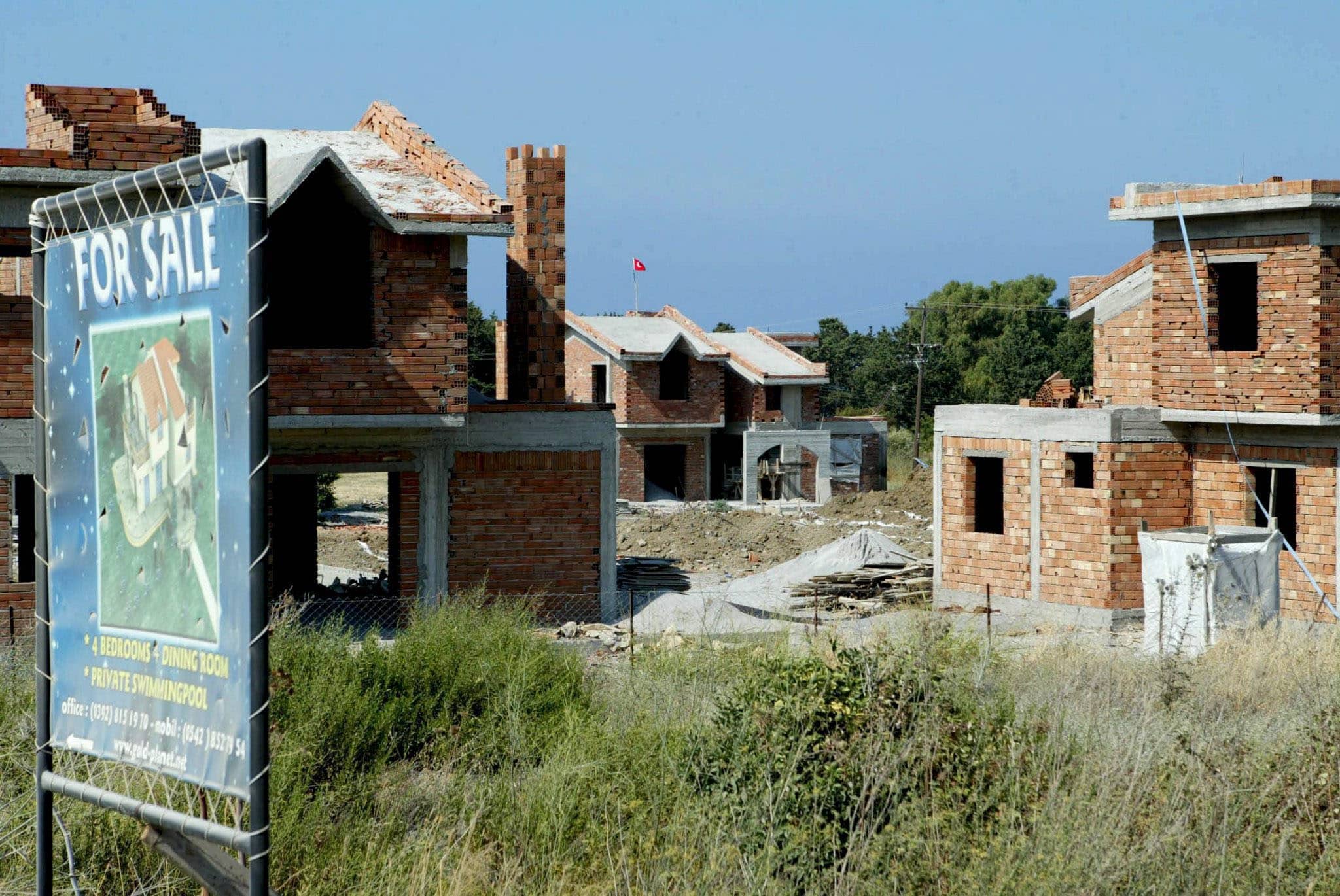
The economic implications of these amendments have also been a point of contention. The Association of Real Estate Agents in the north warns that the changes could devastate the sector, leading to a decline in sales and revenue, and potentially leaving unfinished construction projects across the region.
Economist Mertkan Hamit suggests that while the amendments may deter those seeking to evade international scrutiny, the full impact on the economy remains uncertain, with concerns over potential negative outcomes for the real estate market and broader economic health.