Revisiting the Cyprus Problem: Diplomatic Twists and Turns
The intricate dance of diplomacy surrounding the Cyprus problem has seen many actors on its stage, but perhaps none so influential in scuttling progress as the Soviet Union. Andreas Pirishis, with his seasoned perspective as a former permanent secretary of the Cyprus foreign ministry and ambassador, delves into the past to shed light on the complexities of international interventions.
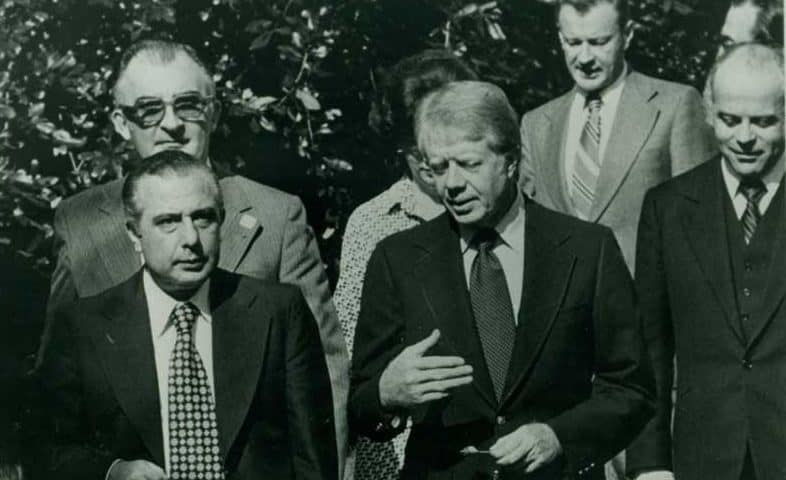
It was a time of hope when Jimmy Carter ascended to the presidency of the United States. In Cyprus, church bells tolled, heralding what was expected to be a proactive American role in resolving the longstanding issue. However, despite the presentation of a promising solution plan by the US and UK, alongside Canada, it was ultimately rejected by Cyprus—not on its merits, but due to its Western origins.
Andreas Fantis, then assistant general-secretary of Akel, revealed in an interview with Phileleftheros that initially, Akel’s central committee favored the plan. Yet, a luncheon with the Soviet ambassador and subsequent discussions led to a swift reversal. The Soviet news agency Tass condemned the plan as NATO meddling, influencing Akel to align with the Soviet stance.
The implication was clear: the Soviet Union did not wish for a US-led resolution to the Cyprus problem, fearing it would bolster US prestige in a strategically sensitive region. Moreover, an unresolved Cyprus crisis served to perpetuate tension between Greece and Turkey, affecting NATO’s southeastern flank.
Another dimension of the geopolitical narrative involved American and British bases. Rumors swirled during the 1974 invasion of Cyprus, accusing the US and UK of conspiratorial designs to establish air bases. These baseless claims went unchallenged, souring Cypriot relations with both nations for years.
Decades later, it became evident that the US had not sought new bases in Cyprus post-invasion. Furthermore, British documents revealed that the UK was contemplating a complete withdrawal from their Cypriot bases in 1974, contrary to popular belief.
Dr. Andreas Konstantinos’ research in his book “America, Britain and the Cyprus Crisis” highlights Britain’s shifting stance during that tumultuous summer. The strategic value of Cyprus was in question, leading to discussions about a total British withdrawal.
These revelations prompt reflection on past policies and public sentiment towards the UK and US. As Pirishis suggests, it is worth pondering whether these historical events have been openly discussed by politicians or media or if they have been swept along by prevailing narratives.