Escalation in Gaza as Israeli Forces Intensify Operations
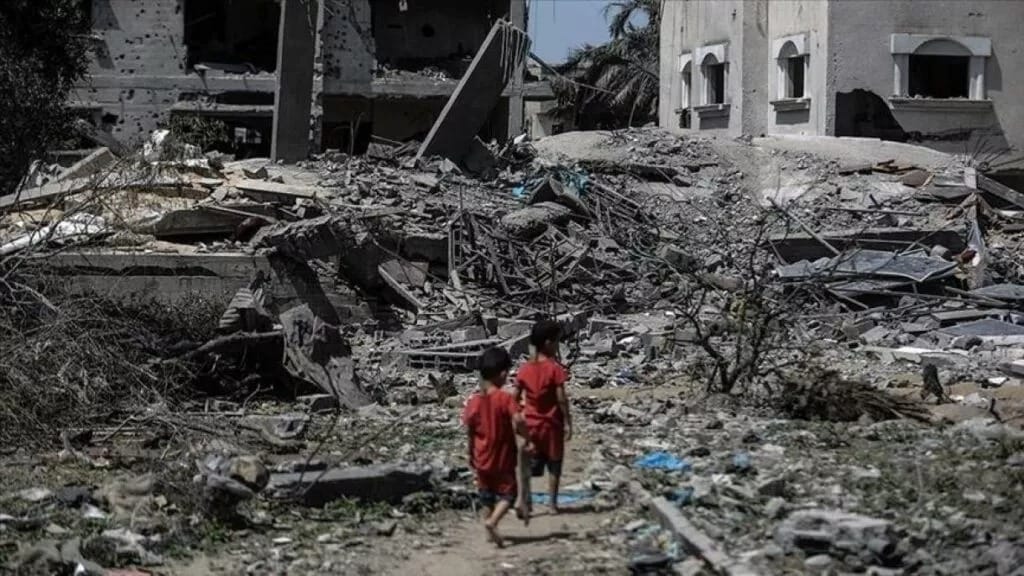
In a significant escalation of the ongoing conflict, Israeli troops and tanks entered parts of the northern Gaza Strip on Saturday, targeting areas of a densely populated district. This move marks a departure from previous strategies, as these regions had been avoided during the seven-month-old war. Medics and residents report that the incursion has resulted in the deaths and injuries of dozens of Palestinians.
The military operations have not been limited to the north. The Israeli forces also took over ground in Rafah, a city by the Egyptian border. The city, already struggling with a high population of displaced individuals, has become a focal point of concern for both Cairo and Washington following Israel’s incursion aimed at suppressing remnants of Hamas militants.
The internal political landscape in Israel is showing signs of tension, as Benny Gantz, a centrist member of the war cabinet, has issued an ultimatum to Prime Minister Benjamin Netanyahu. Gantz has threatened to resign unless an actionable post-war plan is agreed upon by June 8, which would address governance in Gaza post-conflict.
Israeli media have highlighted that recent intelligence breakthroughs during these incursions have led to the recovery of hostages taken by Hamas. Among them was Ron Binyamin, whose body was found along with three others. The Israeli military has confirmed these recoveries without providing extensive details.
Despite declaring an end to major operations in January, Israel has resumed military actions in northern Gaza, particularly in Jabalia, Gaza’s largest refugee camp. Residents report that the latest strikes have been some of the most severe, with continuous bombardment making it impossible for emergency services to respond effectively.
The Israeli military has stated that its forces are conducting “precise operations against terrorists and infrastructure” across Gaza, including Jabalia and Rafah. According to their statement, over 70 terror targets have been hit in the past day alone.
Strains in Israeli Coalition
Netanyahu’s approach to the war has faced scrutiny for lacking a clear endgame. Gantz’s demand for a six-point plan represents growing pressure within Israel’s coalition government, which is currently dominated by far-right parties. While Gantz’s potential departure from the coalition would not collapse the government, it underscores increasing tensions and calls for clarity regarding Israel’s post-war strategy.
Hamas and other militant groups have responded to the Israeli offensive with attacks on Israeli forces in both Jabalia and Rafah. The Israeli military reports significant casualties among its ranks since the beginning of ground operations.
On the Palestinian side, the health ministry reports thousands of casualties due to Israeli strikes since October. Aid agencies continue to raise alarms about severe shortages of essential supplies and widespread hunger among the population.
In Rafah, clashes between Israeli tanks and Palestinian fighters have persisted, with relentless bombing from both air and ground forces. The city has seen over a million Gazans displaced since the commencement of Israel’s ground operation there in early May. The capture of Rafah is deemed crucial by Israel to dismantle Hamas and secure national safety.