SUSPECT CHARGED WITH ATTEMPTED MURDER
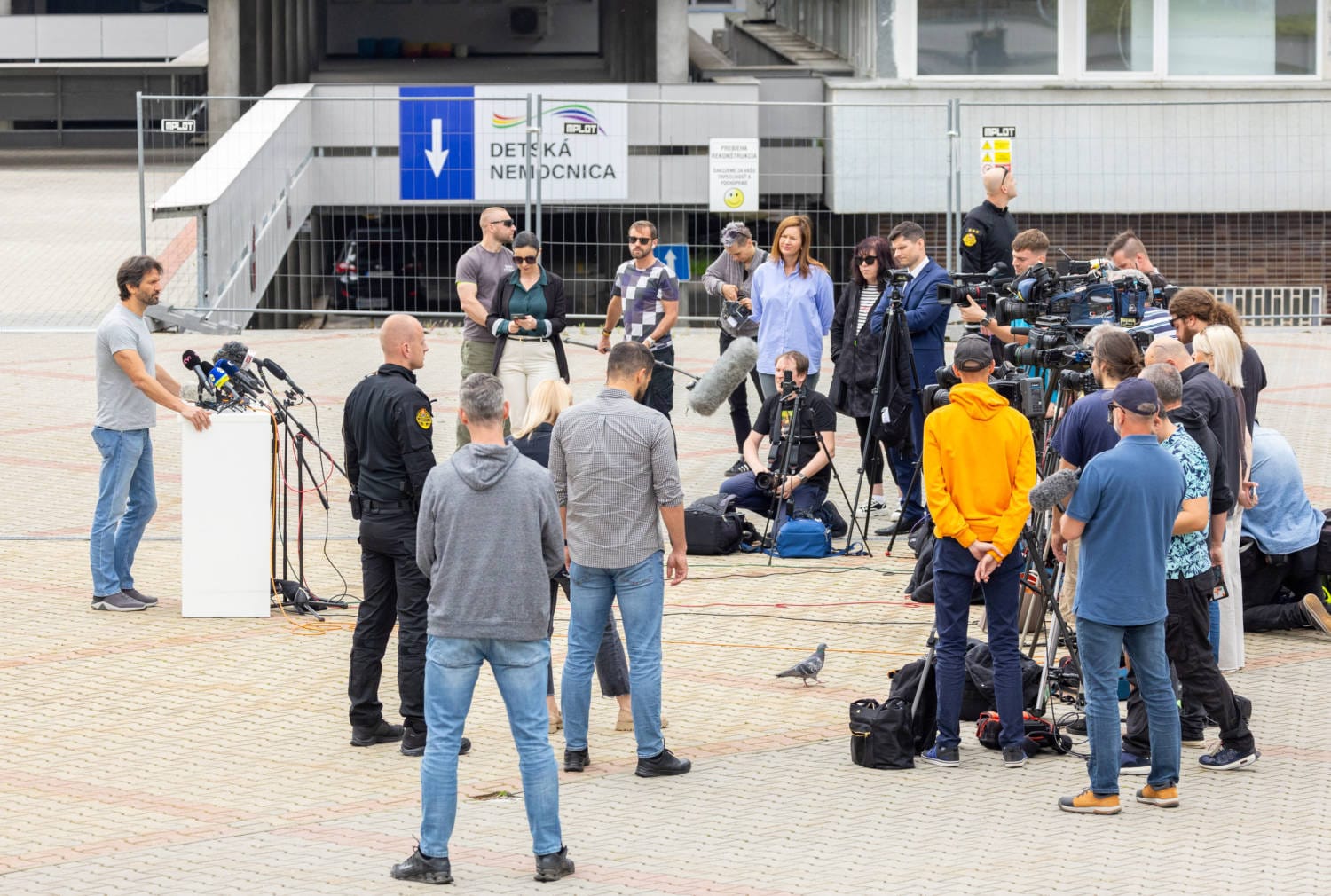
In the wake of the harrowing assassination attempt on Slovak Prime Minister Robert Fico, the nation breathes a collective sigh of relief as the leader’s condition stabilizes. Deputy Prime Minister Robert Kalinak provided an update outside the medical facility in Banska Bystrica, stating, “The worst that we feared had passed, at least for the time being.” Despite the improvement, Fico’s health remains a significant concern, precluding any immediate transfer to a different hospital.
The attack on Wednesday has not only left the Prime Minister in a serious condition but has also reignited concerns about the divisive political climate in Slovakia. The incident marks the first significant attempt on a European leader’s life in over two decades, prompting a nationwide introspection on political discourse.
Authorities have taken swift action following the event. The Slovak Specialised Criminal Court has ordered that the suspect, a 71-year-old former security guard with a penchant for poetry, be held in custody on charges of attempted murder. The suspect’s motivations appear to be rooted in discontent with governmental policies, particularly regarding Ukraine. Interior Minister Matus Sutaj Estok highlighted the accused’s frustration with the government’s stance on the conflict and recent reforms.
The ripple effects of the assassination attempt extend beyond immediate security concerns, stirring a national call for de-escalation in political rhetoric. In an unprecedented move, president-elect Pellegrini and outgoing President Zuzana urged for unity, proposing round-table discussions amongst political leaders. However, Pellegrini later expressed reservations about the timing of such talks, citing a lack of self-reflection among politicians.
The Slovak police are also addressing inflammatory reactions to the incident, having detained individuals over social media posts that endorsed the attack. As Slovakia grapples with this violent act, its leaders and citizens alike are confronted with the urgent need to bridge divides and foster a more respectful political environment.