Empowering Citizens in the EU’s Clean Energy Transition
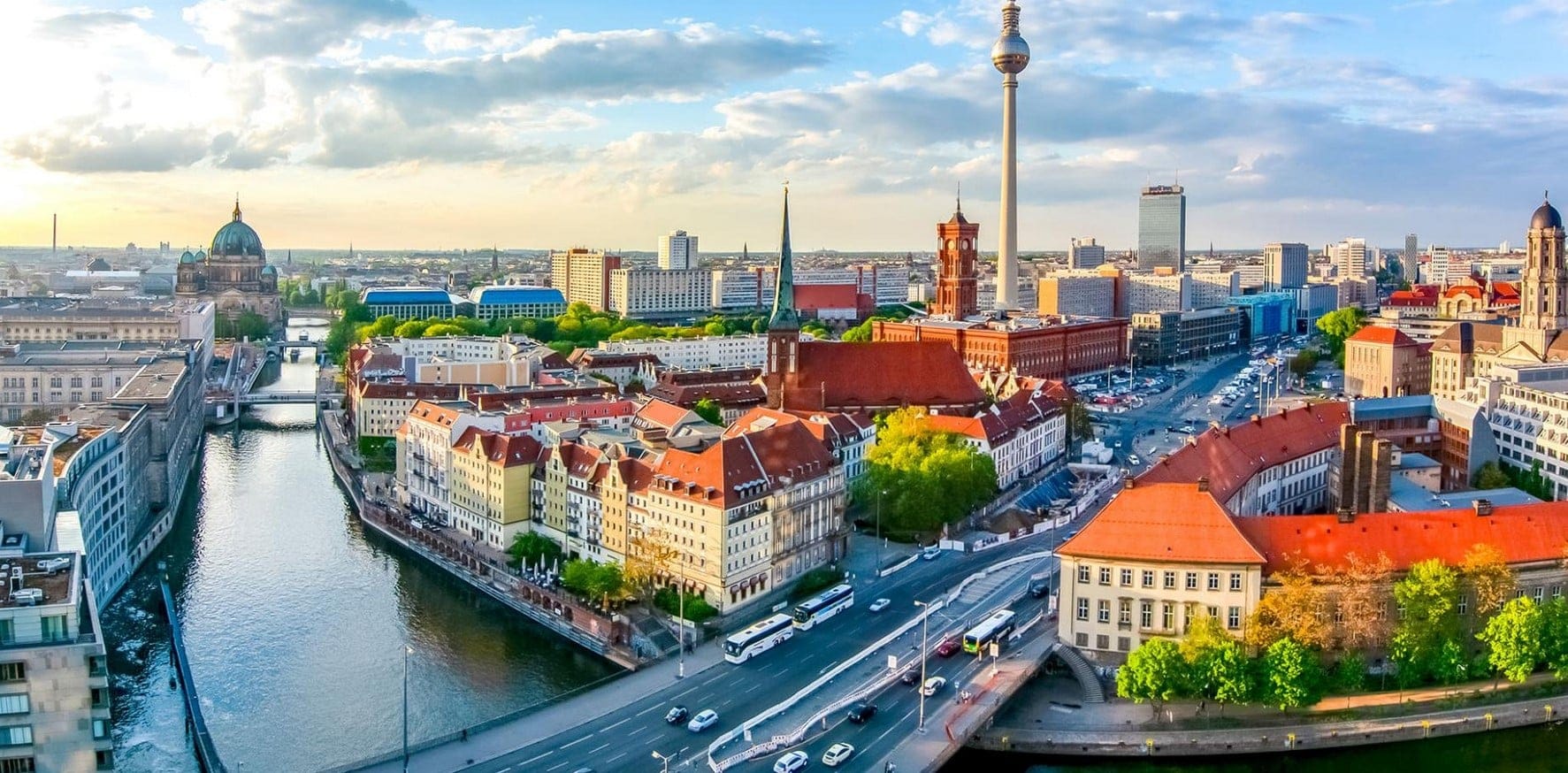
In a concerted effort to meet its ambitious 2050 climate-neutrality target, the European Union is fostering grassroots movements to encourage residents to opt for clean energy. One innovative approach has been to engage women in Berlin through discussions at children’s playgrounds, aiming to build “energy communities” that promote renewable power.
Dr. Andrea Kollmann, leading a project named DIALOGUES, has been pivotal in these efforts. Funded by the EU, the project concluded in April 2024 after three years of collaborative work among universities and climate organizations across Europe. The initiative has been instrumental in raising awareness and understanding of the changing energy landscape.
The DIALOGUES team’s “Citizen Action Labs” have been a key strategy, with Berlin’s playgrounds serving as unconventional yet effective venues for outreach. The focus groups conducted there revealed a keen interest among participants, particularly within the Turkish migrant community, in energy cooperatives—a model where residents collectively own and manage an enterprise focused on renewable power or energy savings.
Similarly, action labs in Geneva and Belene have played crucial roles in encouraging household involvement and raising awareness about energy choices, respectively. These initiatives underscore the importance of public participation and financial support in fostering investment in renewable energy.
The EU’s legislative push towards a larger market share for renewables by 2030 has been complemented by projects like GRETA, led by Dr. Annika Wolff. This project surveyed 10,000 people across the EU to understand their energy consumption patterns and barriers to engagement in the energy transition.
Findings indicated that while a majority are actively participating in the energy transition, many still face obstacles such as financial constraints and lack of knowledge. GRETA’s case studies across six countries, including Coopèrnico—a Portuguese energy cooperative—highlighted challenges like ensuring that smaller players are heard amidst dominant market forces.
Policy recommendations from these projects include “energy citizen contracts,” which aim to align sustainability practices between communities and policymakers. As Europe progresses towards clean energy, local initiatives and citizen involvement are increasingly recognized as vital components of the energy transition.
With initiatives like DIALOGUES and GRETA, the EU is making strides to ensure that the journey towards a greener future is inclusive, empowering citizens to take control of their energy choices and contribute meaningfully to environmental policies.