Controversy Surrounds ICC’s Request for Arrest Warrants
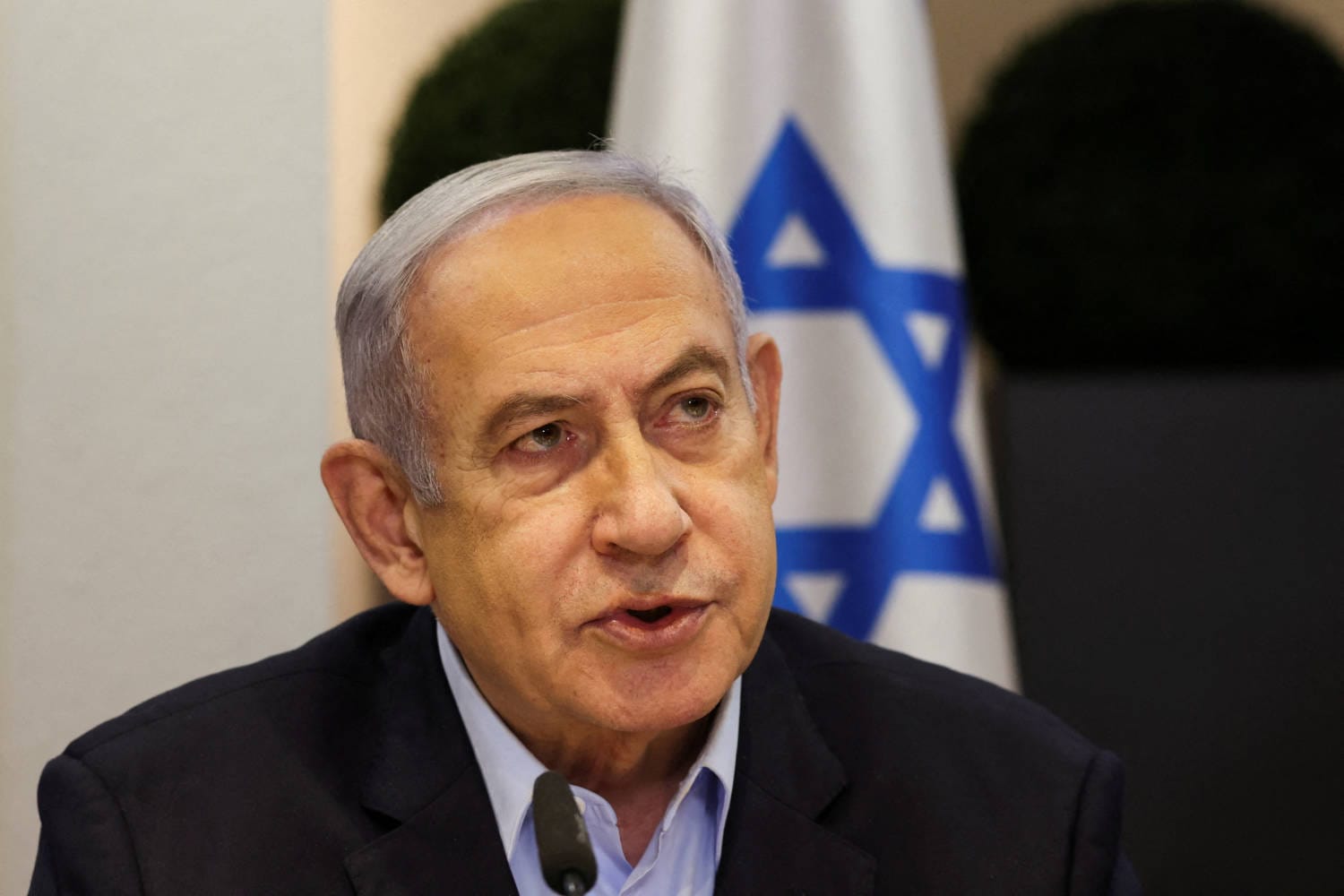
In a recent development that has sent ripples through the international community, the International Criminal Court’s (ICC) prosecutor, Karim Khan, has requested arrest warrants for several high-profile figures. Among those targeted are Israel’s Prime Minister and Defence Minister, as well as three leaders of the Palestinian militant group Hamas. The allegations concern possible war crimes tied to a recent conflict.
Israel’s Foreign Minister, Israel Katz, vociferously criticized the ICC’s actions. He labeled the request “scandalous” and equated it to an assault on the victims of an October 7 raid conducted by Hamas. Katz, who is also a member of Prime Minister Benjamin Netanyahu’s ruling Likud party, has taken proactive steps by establishing a special war room within the foreign ministry. This initiative aims to counteract what he perceives as an attempt to restrain Israel’s ability to defend itself.
The ICC’s move has not gone unchallenged within Israel’s political echelons. Katz has expressed his determination to reach out to his counterparts in leading countries worldwide. His goal is to garner opposition against the ICC prosecutor’s decision and to ensure that any warrants issued would not be enforced against Israeli leaders.
The decision now rests with a panel of pre-trial judges at the ICC, who will review the evidence presented by Prosecutor Khan. Their assessment will determine whether there is sufficient support for his request for arrest warrants.
Amidst this legal and diplomatic turmoil, Katz remains resolute in his stance. He insists that no force in the world could prevent Israel from rescuing hostages taken by Hamas-led gunmen from Gaza on October 7 or from seeking to dismantle the militant group. The unfolding situation continues to draw international attention as it touches upon sensitive issues of jurisdiction, sovereignty, and the complexities of conflict resolution.