Exploring the Impact of the New Tax Reform on the Faroese Salmon-Farming Industry
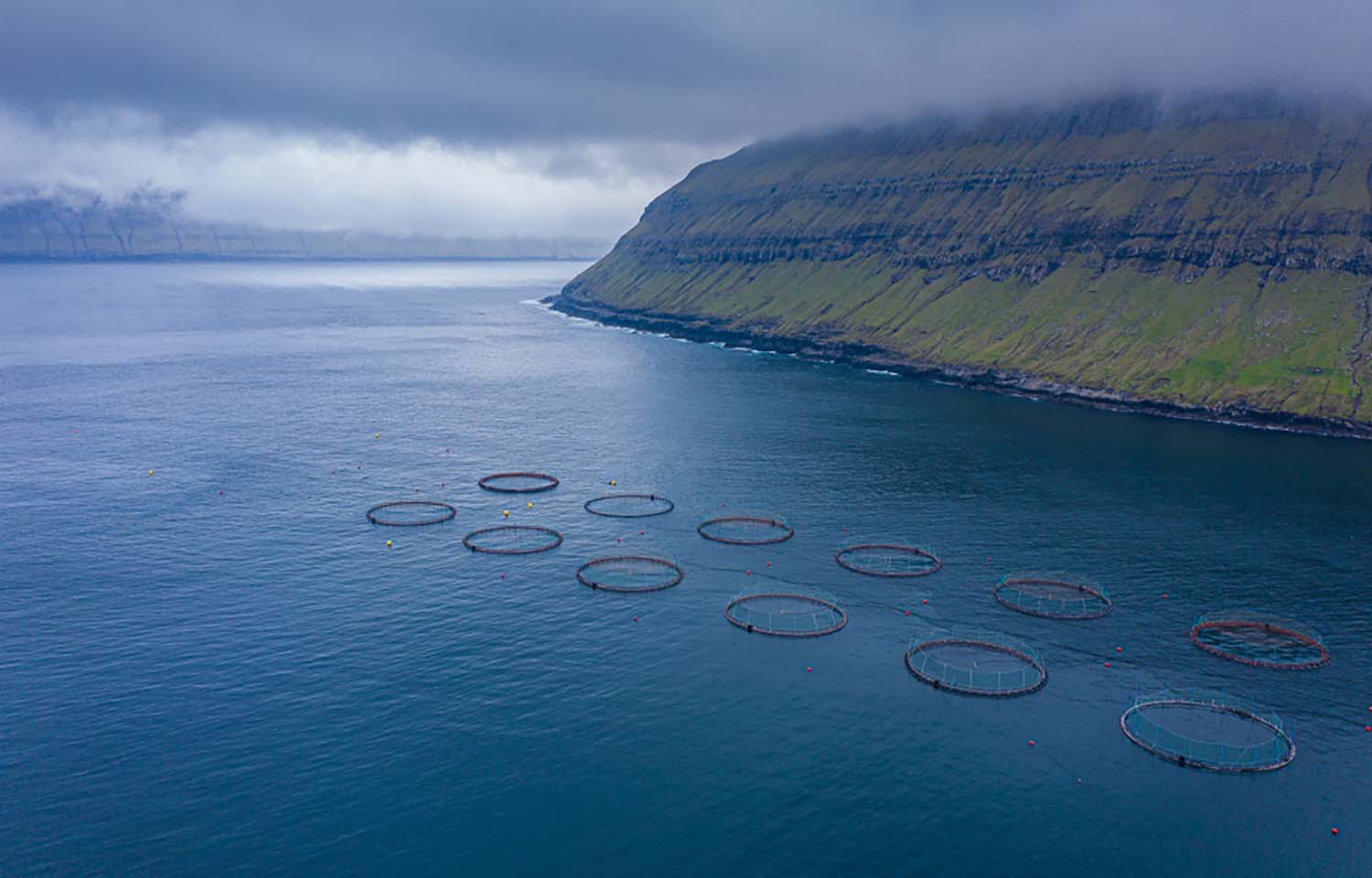
In the serene archipelago of the Faroe Islands, the salmon-farming industry is facing a significant shift in its fiscal landscape. It has been a year since the local government introduced a resource tax, altering the financial currents for one of the territory’s most lucrative sectors. Now, as the Faroese parliament deliberates on further tax reform, stakeholders are keenly observing the potential outcomes.
The forthcoming legislation, poised for its decisive passage on 21 May, is not without precedent. Echoing the structure of last year’s reform, the proposed tax system aims to balance the scales by partially taxing salmon-farming entities based on the average market price of salmon relative to production costs. This method intends to ensure that taxation aligns more closely with actual market conditions, providing a fairer framework for both the industry and the government.
The current tax regime, which is on the cusp of being supplanted, features a complex tiered structure with seven distinct levels of taxation. The intricacies of this system have been a subject of debate among industry experts and policymakers alike. The new tax reform seeks to simplify this approach, potentially leading to a more streamlined and transparent taxation process for salmon producers.
As the Faroese parliament moves towards the third and final reading of this pivotal legislation, the salmon-farming industry is bracing for change. With a focus on aligning tax obligations with market realities, the government is charting a course towards a more adaptable and equitable economic environment for one of its key industries. As with any significant policy shift, the long-term effects will be closely monitored by both local and international observers, eager to understand how this new chapter in resource taxation will influence the Faroese economy and its prized salmon-farming sector.