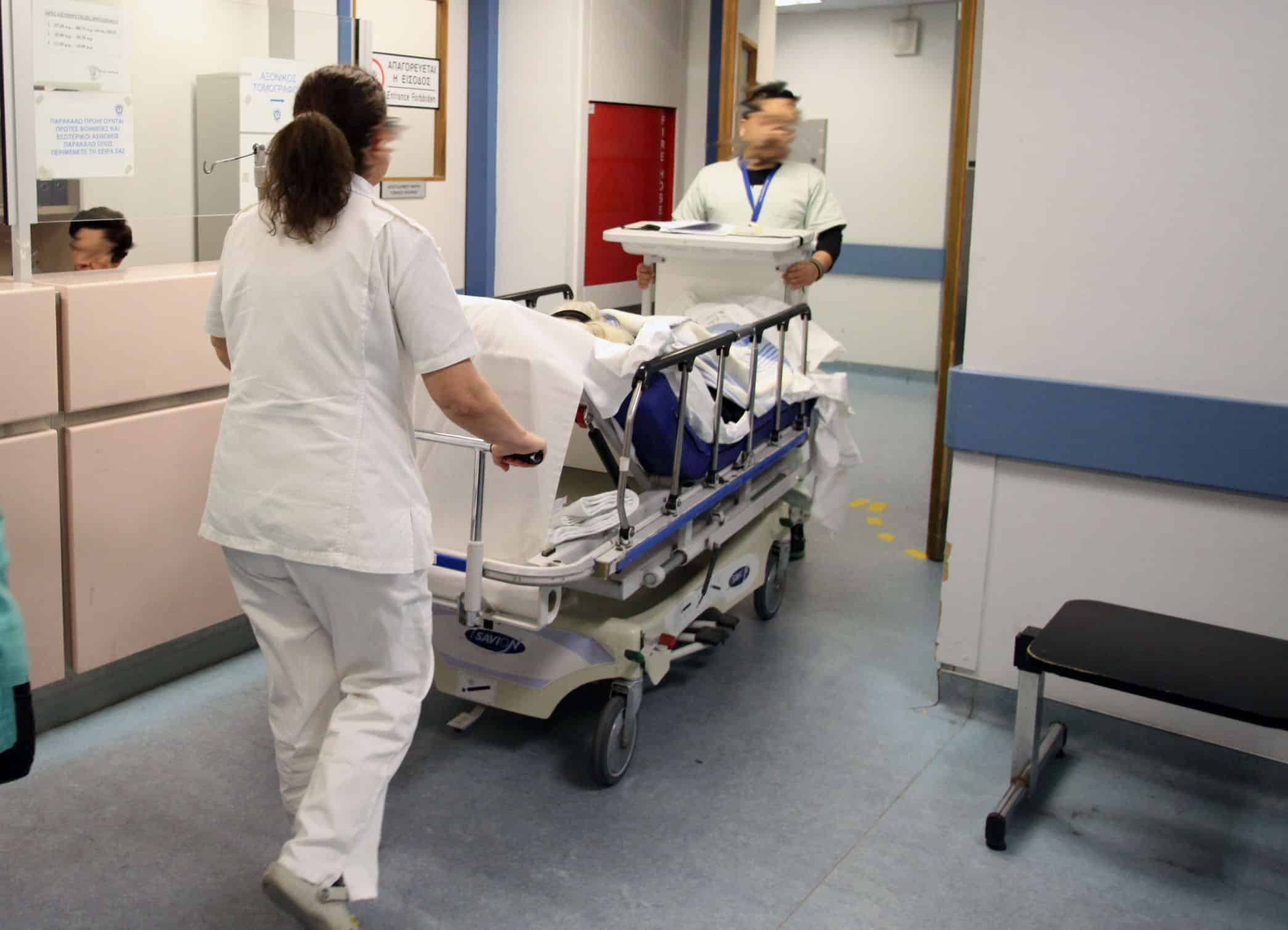
Addressing the Nurse Staffing Crisis in Public Hospitals
Amidst a backdrop of increasing concern over staff shortages in public hospitals, unions representing hospital nurses have taken a firm stance. Following a series of meetings last week, they have issued an ultimatum to the health ministry demanding the recruitment of an additional 170 nurses to alleviate the strain on the healthcare system.
The urgency of the situation was underscored by the unions’ warning that they would initiate actions to pressure the ministry into taking their concerns seriously. Pasydy, one of the unions, highlighted the critical nature of the shortages, citing retirements and leaves as contributing factors. However, the union’s insistence on increasing nurse staffing levels has been met with alternative perspectives suggesting more efficient utilization of current staff and revising restrictive union practices.
Charalambos Charilaou, the spokesperson for Okypy, contrasted the situation in public hospitals with that in private sector counterparts. He noted that public hospitals operate with a significantly higher number of nurses despite servicing an equivalent number of beds. This disparity raises questions about the potential for more flexible working conditions and better resource management in public healthcare facilities.
The debate extends beyond hiring to consider systemic changes such as implementing shift systems, revising nurse-to-bed ratios, and addressing long-term sick leave policies. Additionally, revelations from the House finance committee about nurses being seconded to non-nursing roles within the public sector have sparked discussions on whether these individuals could be reintegrated into hospital duties to mitigate staffing issues.
In light of these considerations, there is a growing consensus that solutions to the nurse staffing crisis may lie in strategic reforms rather than solely in expanding the workforce. The health ministry faces the challenge of navigating these complex issues while ensuring that public hospitals remain adequately staffed to provide essential healthcare services.