As the era of “global boiling” spawns ever deadlier heatwaves, a handful of heat tsars are working with officials in cities from Miami to Melbourne in a race against time to cool urban heat traps and prevent tens of thousands of deaths.
Seven chief heat officers – who all happen to be women – are working in Miami, Melbourne, Dhaka, Freetown, and Athens to plant trees, create “pocket parks”, install water fountains, and teach people about the effects of extreme heat on the human body. The role of chief heat officer was created three years ago by a US-based think tank, but even in that short time the task has become more urgent as planet-heating emissions – largely from the use of coal, oil, and gas – are pushing temperatures into “uncharted territory”, according to scientists.
Already, last year was the hottest on record, and new research suggests that the intense northern hemisphere summer heat made it the warmest summer in some 2,000 years – more evidence of what UN Secretary-General Antonio Guterres called “the era of global boiling”. This year, heatwaves have already ravaged several countries in Asia, costing lives, disrupting education, and damaging livelihoods. In Europe, where as many as 61,000 people may have died in the 2022 heatwaves, people are bracing for more record temperatures in the coming summer months.
SILENT KILLER
The chief heat officer posts were created through an initiative by the US-based Adrienne Arsht-Rockefeller Foundation Resilience Centre (Arsht-Rock), which says that by 2050, heatwaves will affect more than 3.5 billion people globally – half of them in urban centres. “Heat is the most deadly climate danger. It’s a silent killer,” said Elissavet Bargianni, who was appointed chief heat officer for Athens in May 2023.
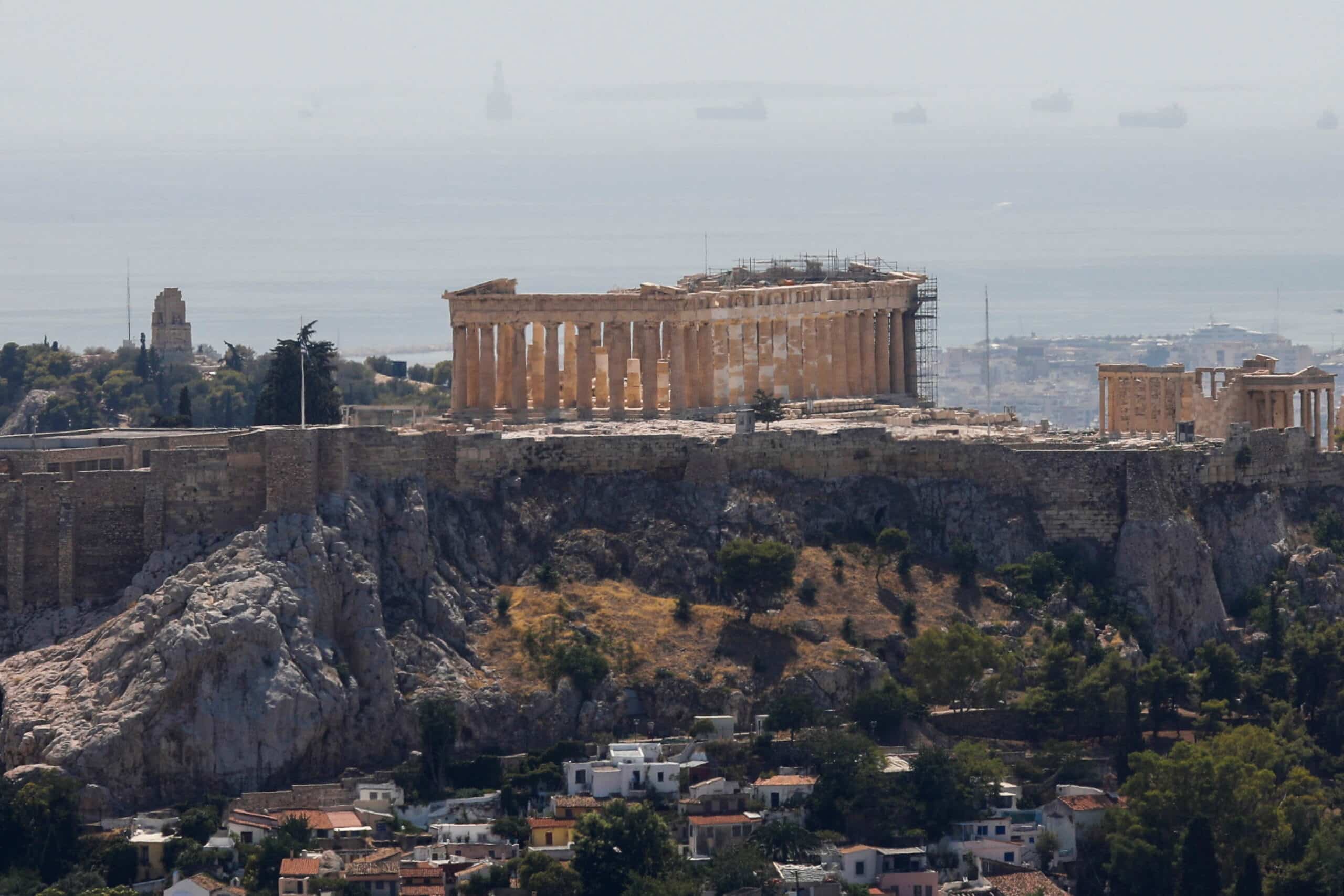
The city was the first in Europe to rank heatwaves from Category 1 to Category 3, helping residents to decide whether to stay indoors or cancel outdoor sports events. The ranking also helps officials assess whether they need to temporarily shut tourist sites, like the ancient Acropolis, Bargianni said. Cities are often several degrees warmer than nearby rural areas because heat trapped by dense clusters of concrete and dark-coloured roads and buildings creates a “heat island” effect, meaning nighttime temperatures also remain high.
Nearly half of schools and hospitals in European cities are located in urban “heat islands” – areas that are at least 2 degrees Celsius (3.6 degrees Fahrenheit) warmer than the regional average, according to the European Union’s environment agency. The chief heat officers aim to raise awareness of the risks of this extreme heat and coordinate actions to mitigate it.
In Freetown, Sierra Leone, chief heat officer Eugenia Kargbo and Arsht-Rock have built shade covers for three of the largest open-air street markets, providing shelter for around 2,300 women traders and ensuring their produce lasts longer. These low-cost covers also have solar panels, which provide light at night, enabling people to shop for longer.
In Melbourne, where a heatwave sent temperatures soaring to around 39C (102.2F) in March, the City Council aims to plant 3,000 trees a year to boost the resilience of its forest areas and to cool the city by 4 degrees Celsius (7.2 Fahrenheit). The council has also proposed a new planning rule that requires future buildings to have a certain amount of greenery depending on their size. Milne, who shares the chief heat officer job with Tiffany Crawford, said their aim is to ensure all decisions about the city are viewed through a “heat lens”.
SHADY BUSINESS
Along with Melbourne and Athens, many cities in the United States and an increasing number in Asia have set up cooling centres to help residents find relief during heatwaves. Some cities have also developed apps that show users the shadiest walking route between two points or have mapped hot spots, allowing officials to target the most vulnerable people.
In Bangladesh’s capital Dhaka – a crowded city with few green spaces and little shade – people are used to having hot and humid summers but this means it is even more challenging to raise awareness, said Bushra Afreen, the city’s heat officer. “There are still people who don’t understand the deadlier impacts of extreme heat or the difference between what was once safe or normal hot weather and the dangers of a heatwave,” Afreen said.
“So now we have to convince people that in order to survive the heat, they need to slow down and rest, drink water and seek shade, and even stop working if they feel unwell. For people living in poverty, that is a very difficult choice to make.” Many of these people will also be unable to afford air conditioners.
In April, temperatures in Bangladesh – ranked the seventh most vulnerable country to climate change – soared to over 40C (104F), forcing schools to close. Schools were also closed in the Philippines and India. Afreen said a heat awareness campaign will be launched later in May and “cool kits”, including handheld portable fans and health booklets, will be distributed. Water fountains will be installed in public spaces like markets and at bus terminals, and thousands of fruit trees will be planted. But Afreen knows her task will only get harder.
“These record-breaking temperatures are quite possibly going to be among the coolest summers that we experience moving forward,” she said. “Until we take meaningful action to mitigate greenhouse gases, climate-driven extreme heat is only going to get worse.”