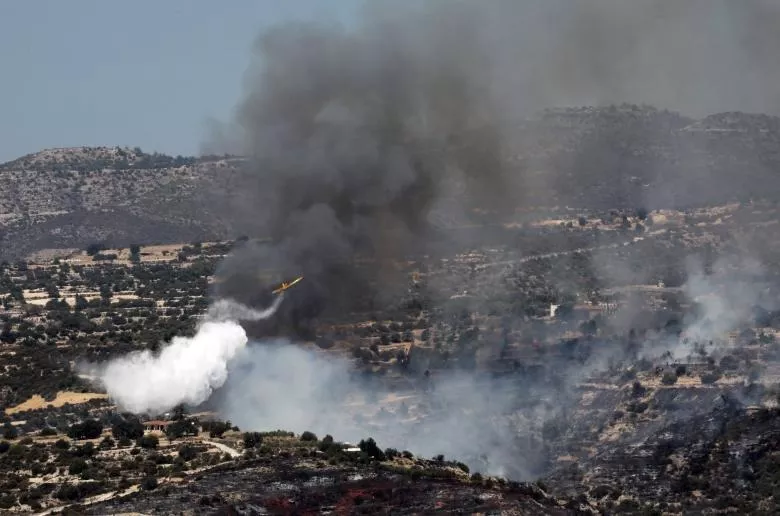
The dry winter in Cyprus is leading to a dangerous fire season, said fire service spokesperson Andreas Kettis in an interview with the Cyprus News Agency. He referred extensively to the causes, including the prevalence of arson and the effects of rapid climate change, which have significant repercussions on the environment and society.
Human Activity and Fire Incidents
A staggering 92% of fires in Cyprus are caused by human activity, according to statistics from a comprehensive investigation. However, Kettis noted that 2022-23 saw a significant drop in their number. “The fire seasons have grown longer,” Kettis added, attributing this to climatic conditions. He predicted a tough summer in firefighting terms but expressed hope that measures and greater prevention efforts would keep fires at the same level as the past two years.
The fires, he noted, are starting early, in April, and lasting through to November. He mentioned three to four major blazes occurring in the springtime. However, he also pointed to additional efforts taken at coordination between all state services connected with firefighting.
Unpredictable Fire Behavior
The unknown new factor, Kettis said, is fire process and behavior. They have become more difficult to tackle and far more unpredictable due to drought and environmental realities, making breakouts much easier. “It’s very rare for a fire to start through other causes beyond human activity,” Kettis added, emphasizing that it requires a string of negative simultaneous factors.
He once again stressed the need to raise even more awareness, pointing to the importance of media campaigns. The government has promised additional measures that will go a long way towards prevention and containment of fires, including a much more effective umbrella of coordination and spotting.
The fire seasons are growing longer due to climate change, but efforts in prevention and coordination are helping to keep fires at bay. The dry winter in Cyprus is leading to a dangerous fire season, with 92% of fires caused by human activity. As the summer approaches, the focus remains on bolstering preventive measures and enhancing coordination among state services to mitigate the risks.