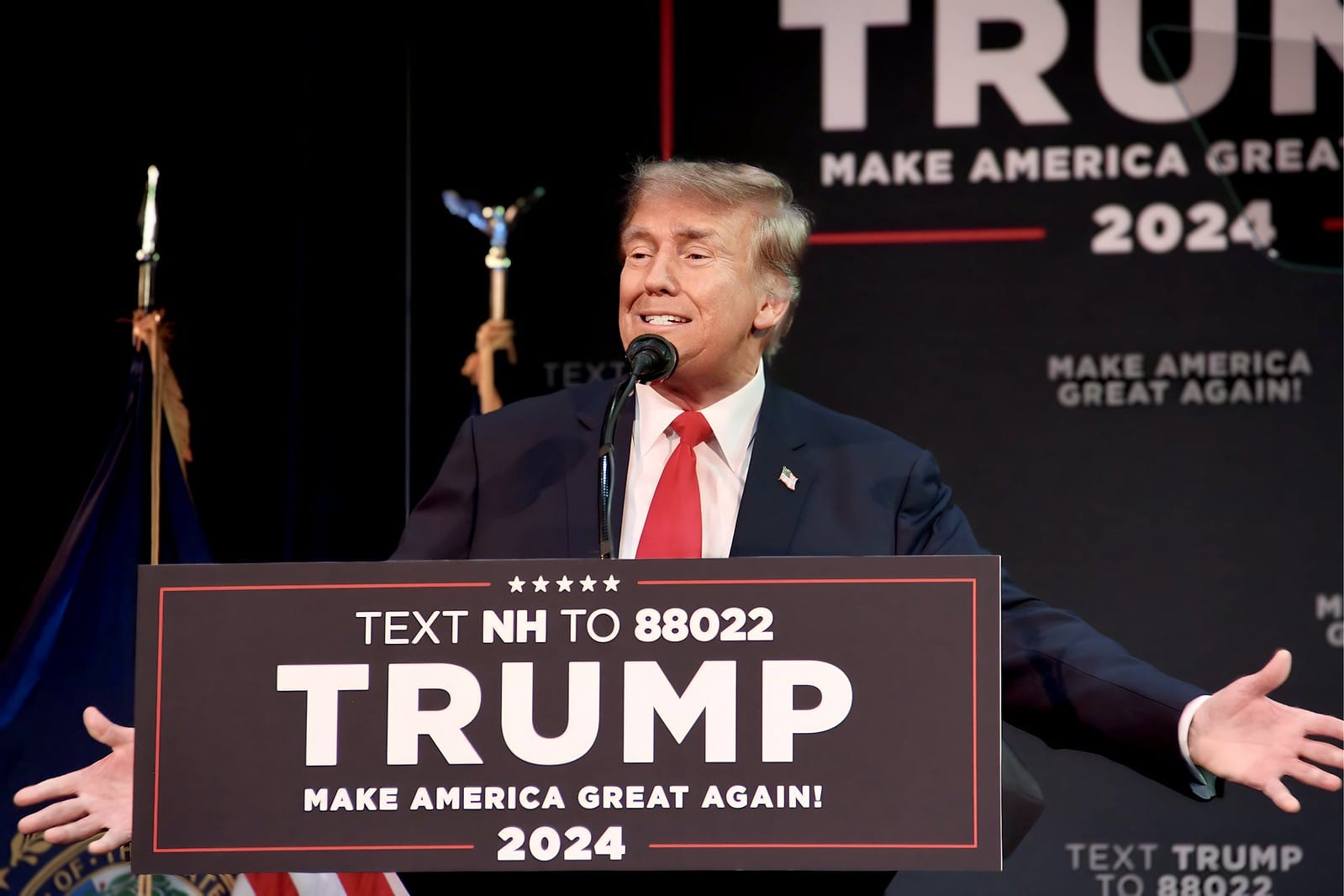
A “deal” allegedly offered by Donald Trump to Big Oil executives as he sought US$1 billion in campaign donations could save the industry $110 billion through tax breaks if he returns to the White House, an analysis suggests. The fundraising dinner held last month at Mar-a-Lago with more than 20 executives, including those of Chevron, Exxon, and Occidental Petroleum, reportedly involved Trump asking for large campaign contributions and promising, if elected, to remove barriers to drilling, scrap a pause on gas exports, and reverse new rules aimed at cutting car pollution.
Congressional Scrutiny and Legal Concerns
Congressional Democrats have launched an investigation into the “ethical, campaign finance and legal issues” raised by what one Democratic senator called an “offer of a blatant quid pro quo,” while a prominent watchdog group is exploring whether the meeting warrants legal action. But the analysis shared with the Guardian shows that the biggest motivation for oil and gas companies to back Trump appears to be in the tax system, with about $110 billion in tax breaks for the industry at stake should Joe Biden be re-elected in November’s election.
Biden wants to eliminate the tax breaks, which include long-standing incentives to help drill for oil and gas, with a recent White House budget proposal targeting $35 billion in domestic subsidies and $75 billion in overseas fossil fuel income. “Big Oil executives are sweating in their seats at the thought of losing $110 billion in special tax loopholes under Biden in 2025,” said Lukas Ross, a campaigner at Friends of the Earth Action, which conducted the analysis.
Ross said the tax breaks are worth nearly 11,000% more than the amount Trump allegedly asked the executives for in donations. “If Trump promises to protect polluter handouts during tax negotiations, then his $1 billion shakedown is a cheap insurance policy for the industry,” he said.
Lobbying Efforts and Industry Reactions
Next year, regardless of who is president, a raft of individual tax cuts included in that bill will expire, prompting a round of Washington deal-making over which industries, if any, will help fund an extension. Lobbying records show that Chevron, Exxon, ConocoPhillips, Occidental, Cheniere, and the American Petroleum Institute (API) have all met lawmakers this year to discuss this tax situation, likely encouraging them to ignore Biden’s plan to target the fossil fuel industry’s own carve-outs.
Chevron and ConocoPhillips, the analysis shows, lobbied for a deduction for intangible drilling costs, the largest federal subsidy for US oil and gas companies, which is worth $10 billion, according to federal figures. Other lobbying centered on more generalized tax breaks that the oil and gas industry has exploited. ExxonMobil lobbied for a little-known bill that would restore a bonus depreciation deduction to its full value, which, according to Moody’s, would allow Big Oil to avoid Biden’s newly established corporate minimum tax.
“Unlike previous administrations, I don’t think the federal government should give handouts to Big Oil,” Biden said following his inauguration in 2021. But Congress and the president will have to agree to any new tax arrangements next year, and the fossil-fuel industry continues to have staunch support from Republicans and some Democrats. An API spokesperson insisted its industry gets no favorable treatment in the tax system and both “proudly invests in communities” and “pays local, state and federal taxes.”
Who Was at Mar-a-Lago?
The high stakes for the fossil-fuel industry, as well as for the climate crisis, have placed scrutiny upon those who attended Trump’s dinner at Mar-a-Lago. Although representatives of large oil companies were present, the majority of known attendees were executives of smaller firms focused on specific subsections of the fossil-fuel industry, such as fracking or gas exporting.
Among other reported attendees were the head of Venture Global, which rivals Qatar as one of the world’s leading liquefied natural gas exporters. This year, the company came under fire after it was revealed to have been using millions of gallons of water to construct a Louisiana LNG terminal while a nearby community faced extreme shortages. Another attendee: Nick Dell’Osso, CEO of Chesapeake Energy, which after years of court fights had to pay $5.3 million to Pennsylvania landowners who say they were cheated out of gas royalties.
Billionaire oil tycoon Harold Hamm, who founded fossil fuel exploration company Continental Resources, was also present. He helped raise money for Trump’s 2016 presidential run and was reportedly one of the seven top donors who had special seats at Trump’s inauguration. Though he eschewed the former president after his 2020 loss, he donated to his primary campaign in August.
Asked about the meeting, API spokesperson Andrea Woods said the organization “meets with policymakers and candidates from across the political spectrum on topics important to our industry.” She said the premise of the Democrats’ investigation into the meeting is “patently false and an attempt to distract from a needed debate about America’s future – one that requires more energy, including more oil and natural gas.”
Amid the scrutiny of last month’s Mar-a-Lago dinner, Trump is continuing to court oil-tied donors. On Tuesday evening, he held a Manhattan fundraising dinner that cost a minimum of $100,000 to attend. Among the event’s hosts was John Catsimatidis, chief executive of United Refining Company. Between 2017 and 2023, United Refining Company’s small refinery in western Pennsylvania was the most dangerous refinery in the country.
Trump this week also held a fundraiser hosted by US senator J.D. Vance, who is one of the largest recipients of Big Oil funding in Congress. In 2016, Craft reportedly gifted Pruitt courtside basketball tickets after the agency crafted pro-coal regulations.